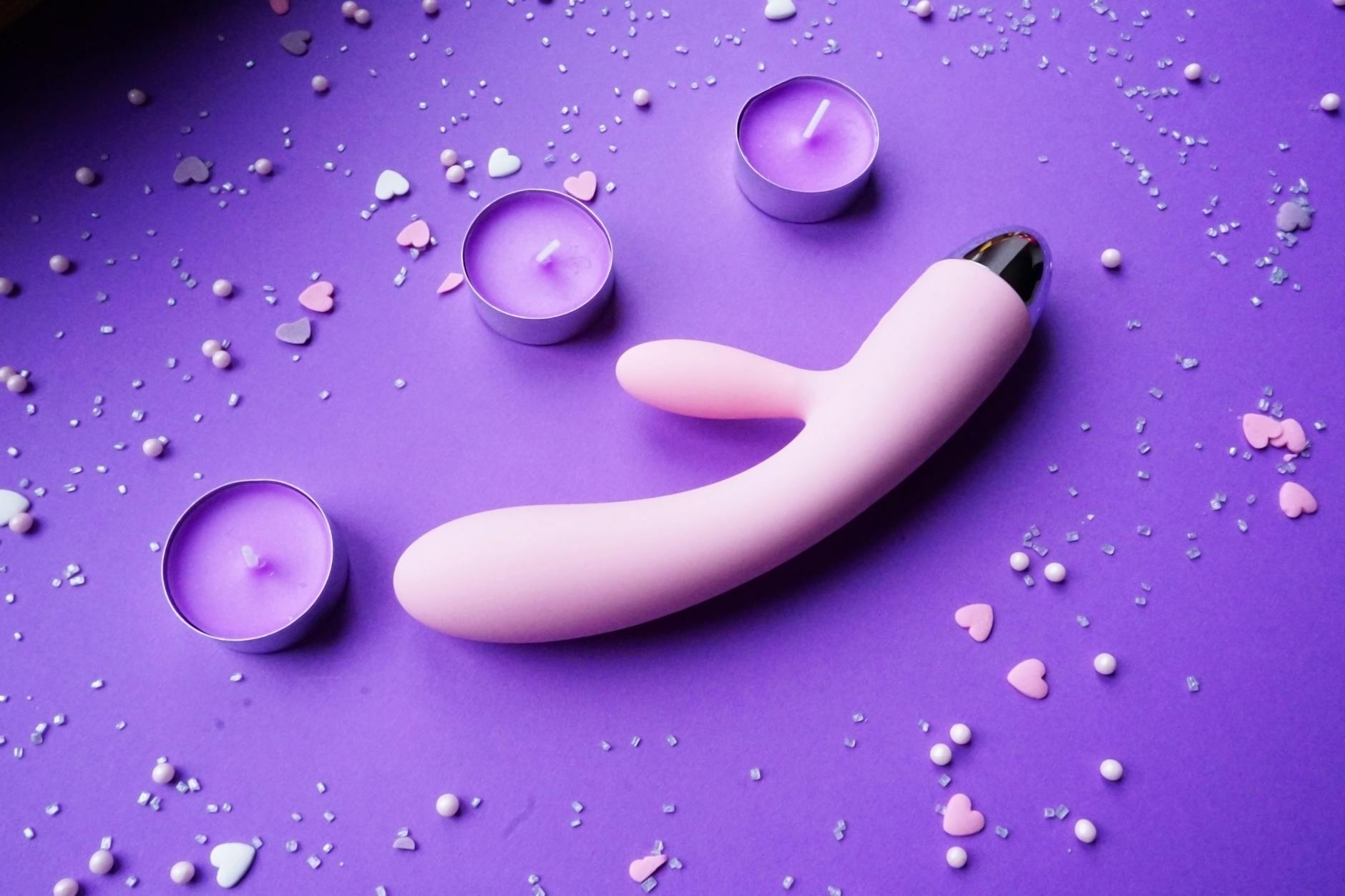
Here's the thing nobody tells you about pelvic floor tension
Your pelvic floor is a group of muscles you probably can't see and definitely don't think about until something goes wrong. But here's what's wild: when those muscles are tight, a lemon vibrator feels less intense, less responsive, and sometimes almost muted. The same device that delivers earth-shattering sensation for your partner might feel flat and frustrating for you. And it's not the toy. It's the tension.
I see this constantly in my practice. Someone will say, "I love suction toys in theory, but they just don't work for me." Then we work on pelvic floor release, and suddenly the same lemon clitoral vibrator becomes revelatory. The device didn't change. Your body did.
What pelvic floor tension actually does to sensation
The pelvic floor muscles sit at the base of your pelvis, supporting your bladder, uterus, and bowel. They're also directly involved in arousal and orgasm. When these muscles are chronically tight (and for most people in high-stress jobs, they are), they restrict blood flow to the vulva and clitoris.
Tighter muscles mean less engorgement. Less engorgement means the tissues are flatter, less sensitive, and less responsive to stimulation. Now add a lemon vibrator's suction mechanism to that equation. Suction works by creating a seal and a gentle vacuum that draws blood into the clitoral tissue, amplifying sensation. But if your pelvic floor is already clamped down, that suction can't do its job effectively.
You end up feeling pressure instead of pleasure. Pressure without the building intensity. It's like trying to add volume to a speaker that's already muted.
What's even more frustrating: your brain senses the missing sensation and recruits more muscle tension to try to fix it. You're unconsciously gripping harder, which makes everything worse. It becomes a self-reinforcing loop.
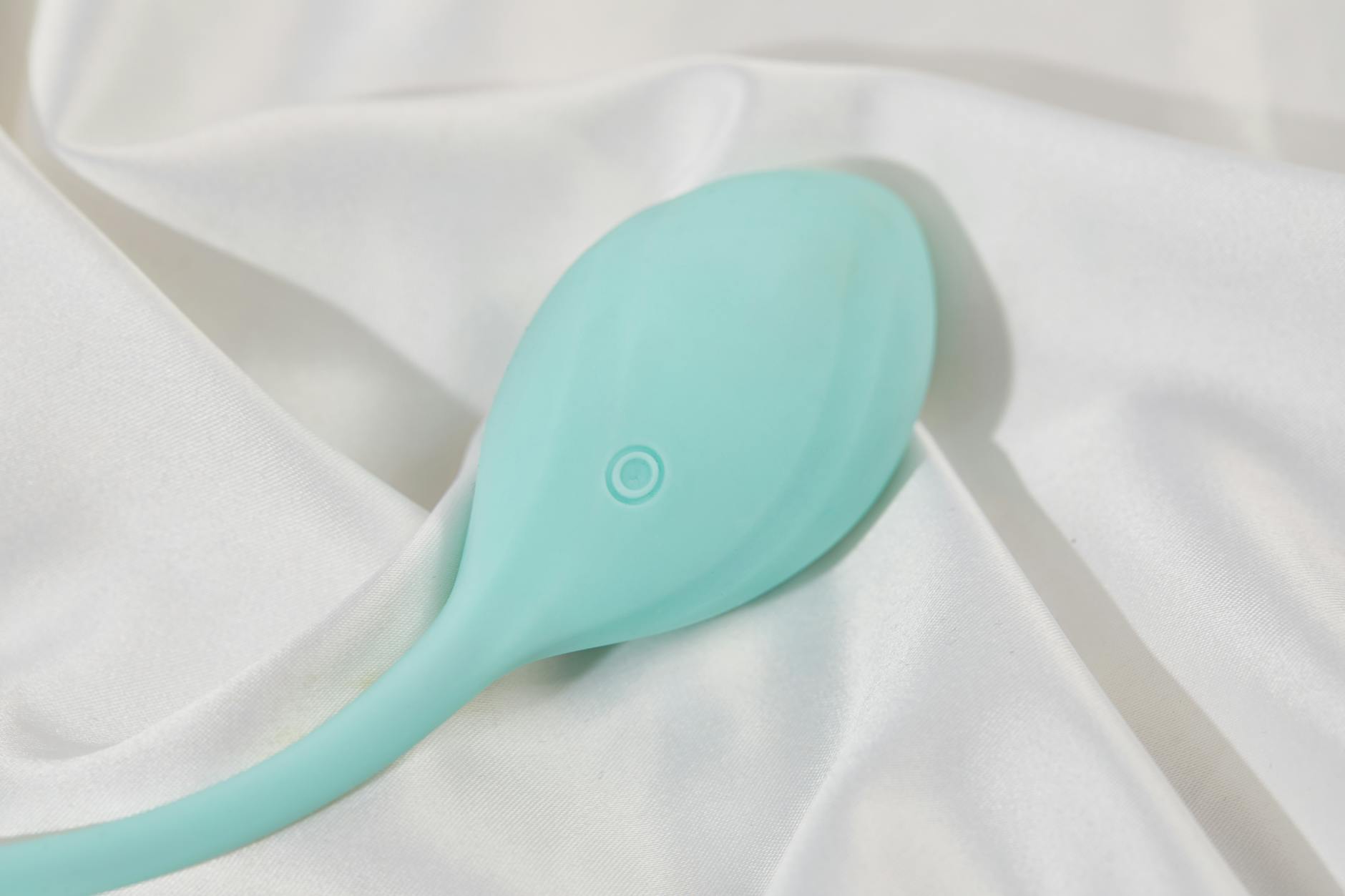
Photo by IFONNX Toys on Pexels
How to tell if pelvic floor tension is your issue
You might have pelvic floor tension if any of these sound familiar.
You clench involuntarily during arousal instead of relaxing into it. You feel pressure or heaviness rather than building pleasure. You have trouble reaching orgasm even though you enjoy the sensation. Your orgasms feel muted or incomplete compared to how they used to feel. You find yourself holding your breath during sex or self-pleasure. You have pain or discomfort with penetration, even though you want it. You've tried multiple lemon vibrators and suction toys with the same flat result.
Stress, anxiety, and past sexual trauma all live in the pelvic floor. So do childhood messages about shame, perfectionism, and over-control. Your body remembers, even if your mind doesn't.
The release techniques that actually work
Here's what changes everything for my clients. These aren't stretches. They're reset practices.
Breathing into the pelvic floor
Your pelvic floor connects to your nervous system in a direct loop. Deep breathing tells your body it's safe to relax. Spend five minutes in a comfortable position (sitting or lying down), breathing in for a count of four, holding for four, exhaling for six. As you exhale, consciously soften your pelvic floor muscles. Don't clench them or do kegels. Just let them drop. Most people have never actually released these muscles, so this takes practice.
Progressive muscle relaxation
Tense every muscle in your body sequentially, hold for five seconds, then release. Start with your feet, move up through your legs, abdomen, chest, arms, neck, and face. When you reach the pelvic floor, tense it deliberately (kegel), then release completely. This teaches your nervous system the difference between tension and relaxation.
Pelvic floor stretches
Child's pose, happy baby, deep squats, and pigeon pose all lengthen and calm the pelvic floor. Hold each for two to three minutes, breathing steadily. Do this three or four times a week, especially before self-pleasure.
Vaginal self-massage
If you're comfortable, gentle internal massage can release trigger points in the pelvic floor. Use a clean finger or a jade wand, pressing slowly on the muscles in your vaginal opening. Move in a slow 'C' shape, pausing on tight spots. This is not masturbation. It's therapeutic release. It can feel vulnerable the first few times, and that's normal.
Why lemon vibrators are actually the best tool for this work
Once you release the tension, lemon vibrators become extraordinary. Here's why.
Unlike traditional vibrators that rely on rapid movement, suction devices like the Lem require a relaxed pelvic floor to be effective. They literally won't work well if you're clenched. That's not a bug. That's a feature. The toy becomes a biofeedback device that teaches you what relaxation actually feels like during arousal.
When you use a lemon clitoral vibrator on a relaxed pelvic floor, you'll feel the difference immediately. The sensation builds gradually. The orgasm feels fuller, more integrated into your whole body. You stop feeling like you're chasing something and start feeling like something's building inside you.
Many of my clients tell me that learning pelvic floor release using a lemon vibrator is the single most important thing they've done for their pleasure. Not because the toy is magic. But because the toy teaches them what their body is actually capable of.
The timing piece people miss
Do this pelvic floor work away from moments when you're trying to have pleasure. Don't wait until you're already aroused to start releasing tension. Your nervous system is not smart enough to do two contradictory things at once.
Set a practice time. Morning or midday, before stress compounds. Spend five to fifteen minutes on breathing and stretches. Let your pelvic floor learn the feeling of relaxation when there's no performance pressure attached.
Then, when you're ready to use a lemon vibrator, your body already knows what relaxation feels like. You can access it more quickly.
What changes when the tension releases
Once pelvic floor tension genuinely eases (and this takes consistency, usually two to four weeks of daily practice), everything shifts. A lemon clitoral vibrator that felt flat suddenly feels responsive. You notice the buildup. Your body cooperates instead of resists. Orgasms are more intense, more reliable, and they actually feel good instead of like you're grinding out a workout.
You'll probably notice changes in other places too. Less pain during sex. Easier penetration. Better bladder control. A general sense that your body isn't held quite so tightly. These aren't side effects. They're the actual point.
FAQ
Does pelvic floor tension always mean the problem is physical?
No. Tension is often a reflection of emotional stuff. Anxiety about performance, past sexual hurt, relationship stress, or general life overwhelm all create pelvic floor tension. The physical release practices help, but they work best when you're also addressing what's underneath. If trauma is in there, working with a therapist matters too.
Can I use a lemon vibrator while my pelvic floor is tight?
Yes, but you probably won't enjoy it much. It won't hurt you. It just won't feel as good. Think of it like trying to enjoy a massage when every muscle in your body is braced for impact. The massage isn't wrong. Your nervous system just isn't ready.
How long does it take to release pelvic floor tension?
That depends on how long you've been holding it. Light tension might ease in a week or two with consistent practice. Chronic tension from years of stress or trauma can take two to three months to genuinely release. The key is consistency, not intensity. Five minutes every day beats thirty minutes once a month.
What if I have pain during pelvic floor release exercises?
Stop and see a pelvic floor physical therapist. There's a difference between the discomfort of a muscle waking up and pain that signals something's wrong. A qualified therapist can tell the difference and guide you safely.
Does lemon vibrators work differently than other toys if you have pelvic floor tension?
Yes. Suction toys require more relaxation to work effectively because they depend on blood flow and tissue response. A vibrator that just buzzes can work even with a tight pelvic floor because it doesn't require the same physiological participation. But once you release the tension, suction toys like the Lem deliver something vibrators alone can't.
Can men or people with different anatomy have pelvic floor tension too?
Absolutely. The pelvic floor is universal across bodies. Tension affects pleasure and sensation for anyone. The release practices are the same, though the sensation changes might feel different depending on anatomy.
The truth about pleasure and tension
Your pelvic floor is trying to protect you. Tension is a survival mechanism. Your body learned it somewhere, for good reasons. But what once protected you is now limiting you.
The release work is an act of trust. You're telling your nervous system it's safe to let go. That safety doesn't come from a lemon vibrator, though a good clitoral vibrator can absolutely support the process. It comes from consistency, patience, and a willingness to feel what's underneath the tension.
Once you release it, you'll understand why I keep telling clients that their best pleasure is probably still ahead of them. It's waiting on the other side of the tension you've been holding without even knowing it.
If you're struggling with pelvic floor tension and want more personalized guidance, reach out. I'm here to help.