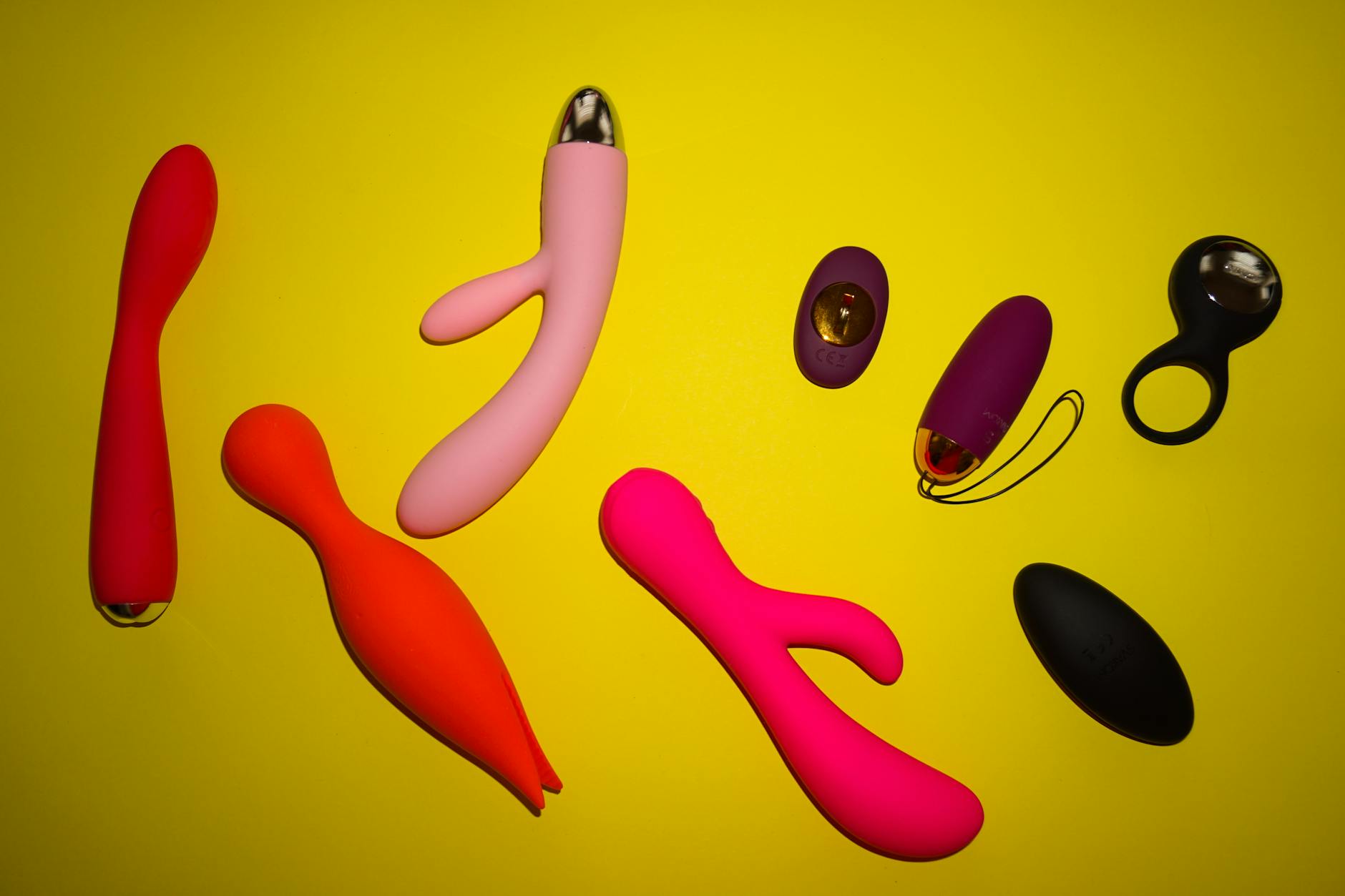
Here's what nobody tells you about arousal after 60
It doesn't disappear. It just requires more time, more blood flow, more patience. And honestly? That's not a flaw. That's just a different system running on different hardware.
Most of what you've been told about aging and pleasure focuses on what's lost. Less lubrication. Less elasticity. Less responsive tissue. All true. But that framing misses something critical: your capacity for arousal is still there. It's just slower. And when you work with that slowness instead of against it, the experience often deepens.
Here's the problem nobody talks about: if you're used to a 10-minute warm-up and suddenly need 20 or 30 minutes, and your partner is used to the old timeline, or you're alone and frustrated by the waiting, you can start to second-guess whether the system is even working. It is. It just needs runway.
What changes in your nervous system after 60
Blood flow to the genitals doesn't decrease because you've aged. It decreases because cardiovascular function changes, because medications sometimes affect it, because stress loads accumulate, and because the neural pathways that trigger arousal respond more slowly to stimulation. This isn't permanent or progressive. It's a shift.
The clitoris still has 8,000 nerve endings. That number doesn't change. But the speed at which those nerves fire when stimulated does. A touch that used to register instantly now needs slightly more pressure or slightly longer contact to trigger the same neural response.
Tissue changes matter too. After menopause, the vaginal and clitoral tissues thin and become less elastic. This means they're more prone to irritation from intense friction. Which means traditional vibrators, which rely on speed and pressure, can feel too harsh, or they can numb out sensation after a while because they're overstimulating tissue that's trying to tell you to slow down.
Why lemon vibrators work differently
Lemon clitoral vibrators use suction and gentle pulsing instead of buzzing. That's not just a nice feature. For people over 60, it's the difference between pleasure that builds steadily and pleasure that starts painful, plateaus, or fades.
Here's why: suction doesn't require the tissue to absorb impact. A traditional vibrator delivers vibration through the tissue itself. A lemon vibrator creates a gentle seal and pulses, which draws blood into the area and stimulates nerves without forcing intensity through friction.
For slower arousal patterns, this matters. You're not trying to force a response. You're creating conditions where a response can unfold at its own pace. The suction sensation is different enough from your baseline sensations that it reads as novel stimulation to your nervous system. Novel stimulus accelerates arousal, even when tissue response is naturally slower.
The warm-up problem and how to reframe it
Warm-up time isn't failure. It's the actual arousal process. Most people over 60 who complain about "taking too long" are comparing themselves to a younger version of themselves or to a cultural narrative that treats a five-minute buildup as normal. It isn't universal. It never was.
What changes after 60 is that the difference between "not aroused" and "aroused" takes longer to traverse. The endpoint is the same. The distance is just bigger. That means you need:
More sustained attention. Not more intensity. A 45-minute slow experience with a lemon vibrator at pattern 1 or 2 is more likely to bring arousal to a threshold than 10 minutes of a traditional vibrator cranked to high.
Fewer distractions during the buildup. Your nervous system is slower to signal arousal, so it's also slower to recover from interruption. If you start, stop, worry about time, check the phone, the process resets. Protect the time. Make it sacred, not squeezed.
A different emotional context. Arousal over 60 often responds better to feelings of safety and unhurried time than to novelty or intensity. That sounds like it would be limiting. For many people, it's liberating. You stop chasing a feeling you used to have and start exploring the feeling you actually have now.
Practical adjustments that work with your timeline
If you're using a lemon vibrator for the first time over 60, these changes actually matter:
Start at pattern 1. Not because you're sensitive (though you might be), but because low patterns give you something to notice. If you jump to pattern 5, your nervous system has nowhere to go. Start where you can feel each pulse clearly, and let the arousal signal build from there.
Plan for 20 to 45 minutes. Not because you have to, but because you probably will. If you expect it, it doesn't feel like failure. It feels like foreplay.
Use lubricant even if you don't think you need it. Tissue changes mean sensation can get sticky or uncomfortable faster. Water-based lube isn't a sign of dysfunction. It's a tool that lets the tissue stay supple and responsive for longer.
Stop thinking in terms of orgasm as the finish line. After 60, orgasms can be harder to reach, easier to lose, or wildly variable. But pleasure itself? Pleasure is still available. Many of my clients report that when they stop chasing the orgasm and settle into 30 minutes of building sensation, the pleasure itself becomes the event. Orgasm becomes optional, not mandatory.
When a partner is involved
If you're with someone who's used to the old timeline, this is a conversation worth having. Not during sex. Before. "My body needs more time now. That's not wrong. It's just the system." Most partners respond well to directness and specificity. "I want 20 minutes of foreplay with the lemon vibrator at low settings" is easier to work with than "I don't know what I want but the old way doesn't work."
Many couples over 60 find that the slower timeline actually improves connection. You can't rush through. You have to pay attention. You have to stay present. That's the opposite of the hurried sex that often defines the earlier decades.
The temperature and sensation question
One thing clients mention often: after 60, the body is more sensitive to temperature changes. A toy that's been sitting in a cool room can feel shocking at first. Let the lemon vibrator warm up in your hands or under warm water for a minute before use. That small adjustment changes the experience entirely.
Sensation can also shift. Areas that used to feel great might feel less responsive. Areas you never paid much attention to might light up suddenly. This isn't loss. It's remapping. A lemon vibrator is easier to experiment with because you can move it around, adjust intensity, and explore new sensation zones without the commitment that a traditional vibrator requires.
Why this matters for your long-term pleasure
Here's the thing I tell everyone over 60: your pleasure isn't on a timer. You don't have a countdown. What you have is permission to slow down, pay attention, and realize that a 30-minute pleasure session isn't inefficient. It's the whole point. When you stop fighting the pace and start working with it, arousal gets easier, not harder.
Lemon clitoral vibrators are built for this. They're designed for sustained, gentle stimulation. They don't require you to jump straight to peak intensity. They meet you where your nervous system actually is, and they let the experience unfold at a pace that actually works.
People also ask
Is slower arousal after 60 a medical problem?
Not necessarily. It's a normal neurological and physiological shift. Cardiovascular changes, hormonal shifts, medication side effects, and stress can all contribute. If arousal disappeared entirely or became painful, that's worth discussing with a doctor. But slower arousal is common, predictable, and workable.
Can a lemon vibrator actually change how fast I get aroused?
It can change your experience of arousal. Suction stimulation is often more efficient at triggering sensation in tissues that respond slowly to traditional vibration. That means less time waiting and more time in actual arousal. You're not forcing faster biology. You're using a tool designed for the biology you have now.
Do I need to use a lemon vibrator every time I want to be intimate?
No. Some people use them regularly. Some use them occasionally. Some use them solo and not with partners. The point is that it's an option that works well for the arousal timeline over 60. Having options removes pressure.
What if even with more time, arousal still feels slow or distant?
Talk to your doctor about cardiovascular health, medications, and hormone levels. Also notice your stress level and how much quality rest you're getting. Arousal is downstream from nervous system health. If you're exhausted or in chronic stress, even a lemon vibrator can't fully compensate. Sleep, movement, and stress management matter as much as the toy.
Can I use a lemon vibrator with a partner who's not on the same timeline?
Absolutely. In fact, many couples find that introducing a lemon vibrator actually synchronizes things. Your partner can provide other forms of stimulation and attention while you use the toy. It removes the pressure on them to be your only source of arousal, and it gives you a tool that matches your actual pace. That's a win for both of you.
Should I go to the doctor if my arousal has changed significantly?
If the change happened suddenly or came with pain, numbness, or other symptoms, yes. If it's a gradual shift that matches your age and life circumstances, probably not urgent. But a conversation with a doctor trained in sexual health over 50 is never wasted. They can rule out medication side effects or other treatable causes.
The real shift
After 60, arousal isn't broken. It's different. And when you stop comparing it to a younger version of yourself and start paying attention to what actually works now, you often find that pleasure deepens, not diminishes. A lemon vibrator is just a tool that makes that transition easier. The real work is giving yourself permission to slow down and discover what arousal looks like on your current timeline. That's where the pleasure actually lives.