Let's talk about the side effect nobody warns you about
You started an SSRI or SNRI for depression or anxiety. Your mood stabilized. Your sleep improved. And then your body went numb. Not your skin, not your limbs. Your arousal. Your ability to orgasm. Sometimes both, and sometimes completely.
This isn't a side effect that shows up in the patient information sheet. It's not something your prescriber mentioned during the five-minute appointment. And it's not something you're alone in experiencing. Between 40 and 65 percent of people on selective serotonin reuptake inhibitors report some form of sexual dysfunction. That's not a small thing. That's a majority.
Here's what's happening neurologically, and why it matters for your pleasure.
Why antidepressants flatten arousal
Your antidepressant works by keeping serotonin lingering in your synapses longer than it normally would. Serotonin stabilizes mood. But serotonin also dampens dopamine signaling in certain neural pathways. Dopamine is the drive neurotransmitter. It's what makes you want things. Desire, motivation, reward seeking. When serotonin rises and dampens dopamine, desire often drops.
Orgasm itself is a dopamine-dependent event. Your brain needs that surge to build toward climax. On SSRIs, especially in the first 2-3 months, that surge gets muffled. Some people describe it as trying to reach an orgasm through a thick pane of glass. You can feel pressure building. You know something should happen. And then nothing does, or it takes 45 minutes to get somewhere that used to take five.
This is not depression anymore. This is neuropharmacology. And this matters because it changes how you think about the problem.
The numbness is different from low desire
Here's what I see most often in my practice. A person on an SSRI says, "I don't even want sex anymore." Their partner hears this as rejection. The person themselves wonders if the depression went deeper than they thought. But the actual complaint, when we dig in, is often not "I don't want sex." It's "I can't feel anything when I try."
Those are different problems with different solutions.
If desire itself has vanished, that's a dosage conversation or a medication-class conversation with your prescriber. You might need to switch to a different SNRI, or lower the dose, or add an augmentation strategy.
But if desire is still there and sensation feels muted or blocked, that's where external stimulation becomes valuable. And this is where lemon vibrators often succeed where traditional vibrators don't.
Why suction works when direct vibration doesn't
Lemon clitoral vibrators use rhythmic suction combined with gentle vibration. They don't vibrate the tissue directly. They create a seal and pull blood into the clitoris. That mechanism is important for antidepressant-numbed arousal because it works on a different neurological pathway than simple vibration.
Direct vibration relies on you already having significant arousal momentum. Your nerve endings need to be primed and responsive. On SSRIs, that responsiveness is compromised. You can stimulate the tissue directly for ten minutes and feel almost nothing.
Suction, on the other hand, creates localized engorgement. It forces blood into the erectile tissue. This is a mechanical process that doesn't depend entirely on your nervous system being in the right neurochemical state. You're essentially bypassing some of the numbness by creating physical changes that sensation can then register.
Many of my clients report that they feel the first real sensation they've felt in weeks when they try a lemon clitoral vibrator. Not because the toy is magical. Because the mechanism of action matches what their neurochemistry actually needs.
What the research actually says
There's not a ton of peer-reviewed data specifically on suction toys and SSRI-related sexual dysfunction. But there is solid evidence that:
- Vibration alone shows modest improvement for anorgasmia on SSRIs
- Stimulation duration matters more on SSRIs than it does for people not on them
- External clitoral stimulation outperforms mental focus or fantasy alone for people with dampened arousal
- Genital blood flow and tissue engorgement respond to mechanical stimulation even when subjective arousal feels low
The suction mechanism likely works because it combines engorgement with stimulation. You're not waiting for your nervous system to catch up. You're creating the engorgement first, and letting sensation follow.
How to use a lemon vibrator when you're on antidepressants
Three things change from standard use.
First, extend your warmup. Give yourself 10 to 15 minutes before you even turn it on. Your body needs time to begin arousing, even if that arousal feels abstract and distant. Slow breathing, fantasy, partnered touch. Whatever primes you. Then introduce the toy.
Second, start on the lowest setting and stay there longer than you think you need to. The lemon vibrator works by building engorgement gradually. If you jump to pattern 3 or 4 immediately, you're asking for sensation that hasn't built yet. The lowest pulse gives your tissue time to respond. You might need 5 to 10 minutes here. That feels long. That's the point.
Third, use this as a bridge, not a replacement. A lemon clitoral vibrator can help you break through numbness and reach orgasm when you couldn't alone. But it's not addressing the underlying neurochemical issue. That conversation lives with your prescriber. Stimulation is supplemental. Talk to them about timing, dosage, switching to a different class of antidepressant, or adding a medication that counteracts sexual side effects.

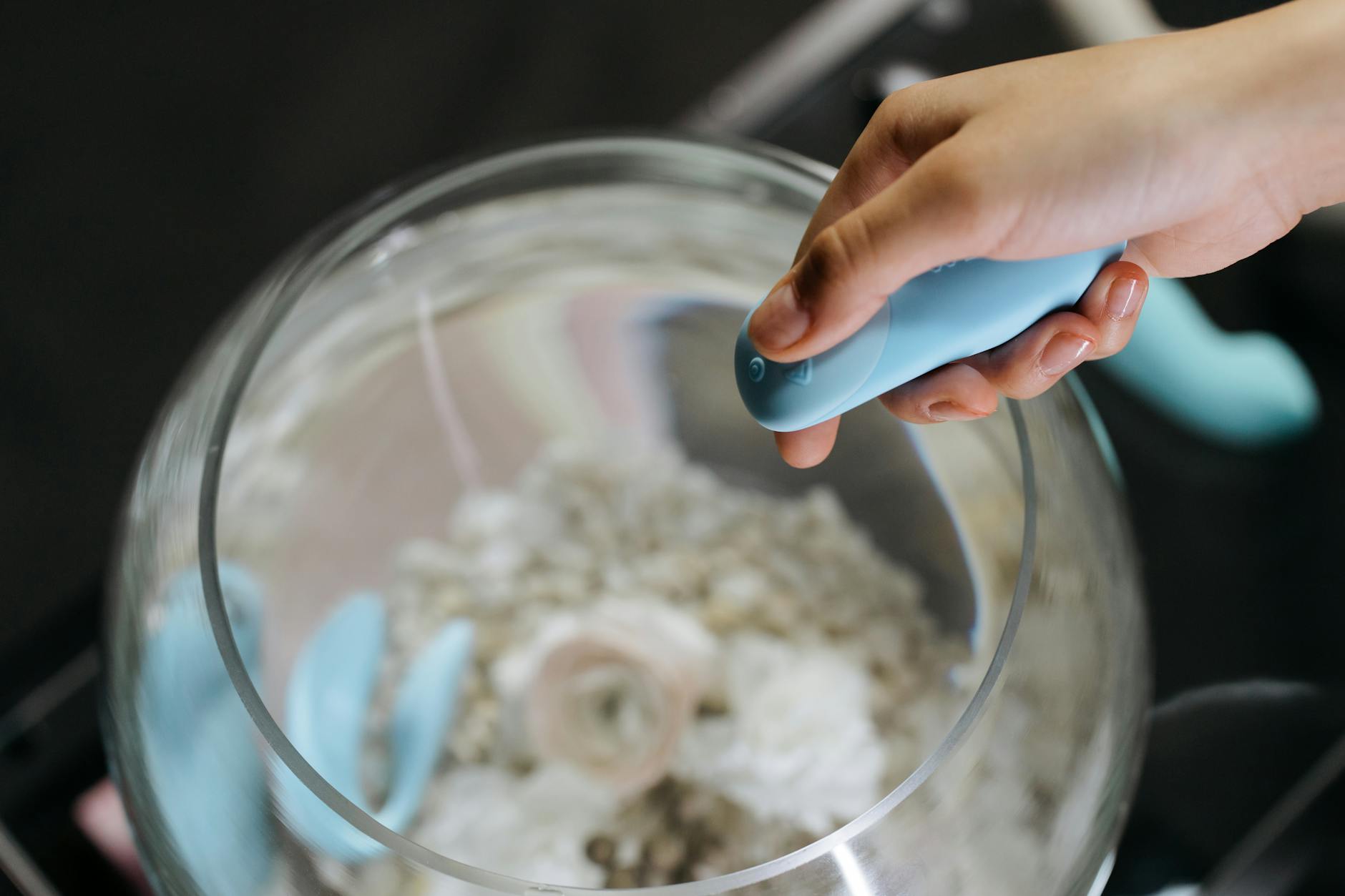
Photo by cottonbro studio on Pexels
When to talk to your prescriber about this
You don't need permission from your doctor to use a toy. But you do need to have a conversation about sexual side effects if they're significantly affecting your quality of life. Here's what actually helps that conversation:
Be specific. "I can't feel anything" is harder to work with than "It takes 30 to 40 minutes to orgasm now, versus 5 to 10 before the medication. When I use external stimulation, the time improves to 15 to 20 minutes."
Ask about timing within your dosing cycle. Some people find that sexual response is slightly better just before they take their next dose. Others find it better several hours after. This might buy you a window.
Bring up alternatives: lower dose, switching to bupropion (which doesn't have sexual side effects), augmenting with a medication like buspirone, or adding a different class of antidepressant that's less likely to flatten dopamine. These are real options. Not all antidepressants are the same.
Don't frame it as a complaint. Frame it as a side effect you'd like to manage. You're not saying the medication is bad. You're saying your sexual health matters and you want to solve it together.
The permission piece you need to hear
Using a toy to work around antidepressant sexual side effects is not cheating. It's not a sign your relationship is broken. It's not evidence that you need more therapy or that you're not trying hard enough. It's practical problem-solving.
Your mental health matters. Your sexual pleasure also matters. These things can both be true at once. If an SSRI is keeping you out of depression and a lemon vibrator helps you feel pleasure again, that's not a compromise. That's intelligent self-care.
Many people find that once they've re-established the ability to orgasm with external help, that capacity sometimes creeps back in other contexts. Your brain starts registering sensation again. Your body remembers what arousal feels like. The numbness, in some cases, begins to lift over time. Using a toy isn't admitting defeat. It's giving your body a way back in.
People also ask
How long does it typically take for sexual side effects from antidepressants to appear?
Sexual dysfunction from SSRIs can begin within days of starting the medication, though it's more common to see it develop over the first 2 to 3 weeks. Some people experience it only at higher doses. Others notice it immediately at any dose. There's no standard timeline. If you're not experiencing it now, that doesn't mean it won't happen later. If you are experiencing it, know that it's not a sign the medication isn't working. The sexual side effect is separate from the mood benefit.
Can you switch antidepressants to avoid sexual side effects?
Yes. Some antidepressants are much less likely to cause sexual dysfunction. Bupropion (Wellbutrin) has virtually no sexual side effects because it works on dopamine and norepinephrine, not serotonin. Some SNRIs are gentler on sexual function than SSRIs. But switching isn't always the right answer. If your current medication is keeping you stable and out of depression, losing that stability to avoid a side effect might not be worth it. That's a conversation with your prescriber about whether the benefit of the current medication outweighs the cost of managing the side effect.
Will using a lemon vibrator regularly help me orgasm without it eventually?
Maybe. Some people find that regular external stimulation and the physical sensation of orgasm can help rewire their nervous system over time. Your brain begins registering arousal and pleasure again. But this isn't guaranteed. Some people need the external tool long-term and that's okay. The goal isn't independence from the toy. The goal is pleasure and connection to your body. If a lemon clitoral vibrator is what makes that possible, use it.
Is there a medication I can take alongside my antidepressant to improve sexual function?
There are a few options your prescriber might consider. Buspiron can be added to SSRIs to improve sexual function. Some people benefit from taking a "medication holiday" (skipping a dose before planned sex), though this only works for shorter-acting medications and should only be done under prescriber guidance. Low-dose bupropion is sometimes added as an augmentation. These are specialized conversations for specialists. If your primary care doctor isn't knowledgeable about antidepressant sexual side effects, ask for a referral to someone who is.
How does antidepressant numbness differ from numbness caused by other medications?
Antidepressant-related sexual dysfunction is primarily neurochemical. You've got sensation in your genitals (you can feel touch, temperature, pain), but arousal and pleasure signals are dampened. Other medications, like some blood pressure medications or hormonal contraceptives, work through different mechanisms. Blood pressure meds affect blood flow. Hormonal contraceptives affect hormone levels. The solution for each is different. That's why talking to your prescriber matters. They can identify which mechanism is at play and adjust accordingly.
Can a lemon vibrator help if I'm on multiple medications that affect sexual function?
It's possible. The lemon suction mechanism can help break through numbness from multiple sources. But if you're on multiple medications with sexual side effects, the broader conversation with your prescriber becomes more urgent. You might need to simplify your medication regimen, switch to alternatives, or add something that counteracts the sexual side effects. A toy is a helpful tool, but it shouldn't replace a real conversation about whether your current medication stack is sustainable long-term.
The bottom line
Antidepressants save lives. They also sometimes flatten pleasure in ways that matter and deserve to be addressed. A lemon clitoral vibrator won't replace your medication or solve the neurochemistry that made you need it in the first place. But it can help you reconnect with sensation while you work with your prescriber on the bigger picture. Your mental health and your sexual health deserve equal attention. You don't have to choose between stability and pleasure. Sometimes you just need the right tool to find both.
If you want to explore how suction-based stimulation might work for your body, or if you're looking for the right intensity and pattern to start with, our buying guide walks you through the specific features that matter most when you're navigating antidepressant-related numbness.