Rebuilding pleasure after trauma is not linear
Let's be real. If you've experienced sexual trauma, the idea of pleasure might feel complicated, dangerous, or frankly irrelevant right now. That's not broken thinking. That's a normal protective response.
But here's what I've seen in my practice: many people reach a point where they want to reclaim their body, their desire, their right to feel good. Not because they have to. Because they want to. That wanting matters.
This guide is for that moment. When you're ready. Not before.
Why lemon vibrators work differently for trauma recovery
Most vibrators are designed to deliver maximum intensity as fast as possible. That's great for some people, terrible for anyone whose nervous system has learned to associate sudden sensation with danger.
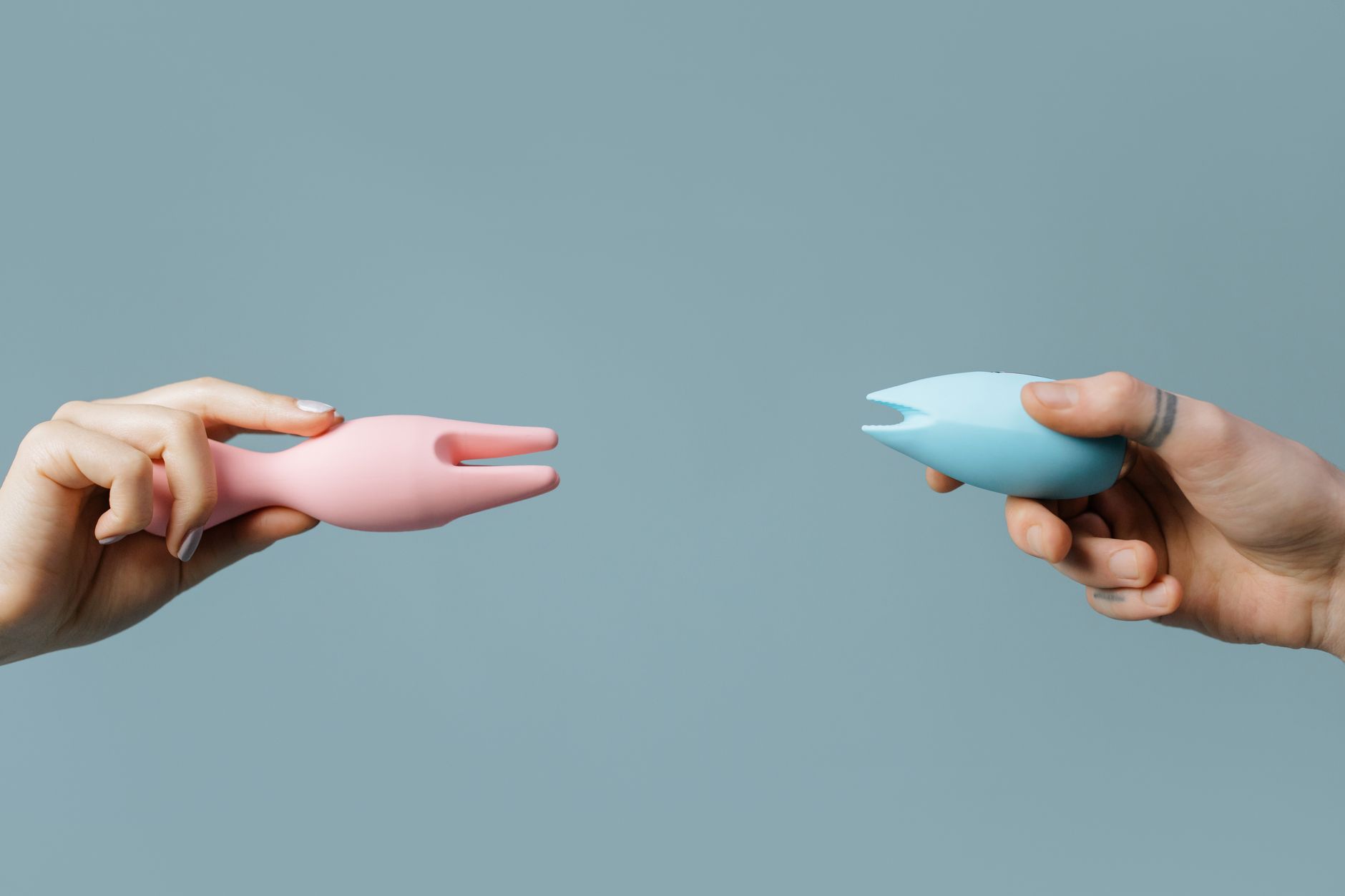
Lemon clitoral vibrators work with your body instead of against it. The suction mechanism is gentler than traditional vibration. You control the speed. You set the pattern. There's no numbing buzz that can feel disconnected or disorienting. And crucially, you can stop instantly.
That last part matters more than anything else in trauma recovery. When you know you can stop, your nervous system begins to trust again.
The safety setup before you begin
Three things need to be true before you even open the package.
First, you have privacy and time. Not rushed. Not checking the clock. Healing happens when there's no performance pressure.
Second, you've done some grounding work. You don't need therapy (though that helps). But you do need to know what a grounded nervous system feels like for you. Some people ground through breath. Others through body awareness, movement, or sensory focus. Whatever it is, practice it without the vibrator first so it's automatic when you need it.
Third, you've decided this is something you want, not something you feel obligated to want. The difference is everything. If someone suggested this because "you should be healed by now," pause. Your timeline is yours.
Step one. Exploration without activation
Unbox the lemon vibrator. Look at it. Hold it. Let yourself notice what comes up. That might be curiosity. It might be discomfort. Both are information.
Don't turn it on yet. Just touch the silicone. Feel the weight. Get familiar with the texture and shape. This might take five minutes. It might take three days. There's no timer.
If touching it feels activating or unsafe, that's also important data. You might need more time. You might benefit from working with a trauma-informed therapist alongside this. Both are valid paths.
Step two. Activation in a low-pressure moment
When you're ready (and this might take weeks), activate the vibrator at pattern 1 (the gentlest setting) with your hand, away from your body. Just listen to the sound. Let yourself get used to what it feels like in your palm.
Notice: does it feel safe? Does the sensation remind you of anything? Is your nervous system steady?
If yes, great. If no, that's also important. You might need a longer adjustment period. Or you might discover you prefer a different type of toy. Your body's "no" is valuable information, not failure.
Step three. Touching non-vulnerable areas first
When you're ready to bring the vibrator toward your body, start with your arm, your shoulder, your hip. Somewhere that doesn't carry trauma memory. Let yourself feel the sensation at different patterns.
Notice where you feel safe. Notice where your nervous system stays grounded. This is mapping your own geography.
Step four. Approaching the clitoris with permission
Many trauma survivors find that the clitoris feels like contested territory. It's not yours. Someone took it. Your own pleasure feels dangerous or complicit.
That feeling doesn't mean you're broken. It means your nervous system learned a protective response. The goal isn't to override that. It's to slowly, with intention, show your system that you can reclaim this space on your own terms.
When you're ready, bring the lemon clitoral vibrator close to your vulva. You don't have to make contact. You can hover. You can touch the external lips without approaching the clitoris. You can stop anytime.
The point is agency. You're choosing. You're in control. Your body is yours.
Step five. Building tolerance and presence gradually
If you do make contact, start at pattern 1 and stay there as long as feels good. You're not chasing an orgasm. You're not trying to feel pleasure. You're just learning to be present with sensation without panic.
Some people need 30 seconds. Some need five minutes. Some need ten sessions of two minutes each. This isn't a race. This is rebuilding trust.
If you notice grounding cues (holding your breath, dissociating, tightness in your shoulders), pause. Ground yourself using whatever practice you chose earlier. Then decide if you want to continue or stop.
What trauma-informed support actually looks like
Using a lemon vibrator isn't therapy, but it works better with it. A good trauma-informed therapist won't push you toward pleasure. They'll help you develop body awareness, nervous system regulation, and the ability to say no.
If you're working with a partner, the same applies. Their job isn't to help you "get over it." It's to respect your timeline and your boundaries completely.
Common obstacles and what they mean
You feel nothing at all. Numbness is a trauma response. It's protective, not permanent. If numbness shows up, that's information to discuss with a trauma therapist, not a sign to push harder or use a stronger pattern.
You feel triggered suddenly. Trauma memory doesn't follow logic. A smell, a sound, a physical sensation can unlock a memory that feels urgent and present. When this happens, stop. Ground. You're safe now, even though your nervous system doesn't feel it yet. This is what therapy is for.
You feel ashamed afterward. Survivors sometimes feel ashamed of their own pleasure, especially if trauma involved shame. This isn't weakness. This is a common trauma response. Working through shame takes time and often benefits from specific therapeutic approaches.
Orgasms feel weird or incomplete. Your nervous system might not trust pleasure yet. Or you might be approaching orgasm with performance pressure. Give yourself permission for pleasure to feel different than it did before, or to not happen at all right now.
When to pause or seek help
You should talk to a trauma-informed therapist if...
You feel flashbacks or panic when using the lemon vibrator. You experience pain or physical distress. You notice suicidal thoughts or severe dissociation. You feel pressure from a partner to move faster than feels safe. You've been using the vibrator as a way to numb or escape rather than connect.
These aren't failures. They're signals that professional support would help.
The larger conversation: pleasure as resistance
Reclaiming your pleasure after trauma is a political act. Someone tried to take your body. Choosing to feel good in it anyway is choosing yourself. That doesn't mean you need to want pleasure right now. But if you do, that wanting deserves respect.
Some trauma survivors never want to explore sexuality again. That's valid. Some eventually do. Also valid. The point is choice. The point is your body belonging to you.
Frequently asked questions
Can I use a lemon vibrator if I have vaginismus from trauma?
Vaginismus (involuntary muscle tension) is a common trauma response. A lemon clitoral vibrator is designed for external clitoral stimulation, not penetration, so it can work well. But you'll benefit from pelvic floor physical therapy alongside this. A pelvic floor specialist can help your nervous system learn to relax those muscles with professional support.
How long before using a lemon vibrator feels normal?
There's no standard timeline. Some people feel comfortable in weeks. Some take months or years. Your body sets the pace, not a calendar. Pushing yourself faster typically backfires. Respecting your own timeline typically doesn't.
What if my partner wants me to use a lemon vibrator but I'm not ready?
That's his want, not your need. If your partner is pressuring you to move faster than feels safe, that's a red flag about the relationship itself, separate from trauma recovery. A trauma-informed therapist can help you navigate this.
Can lemon adult toys trigger trauma responses?
Yes, absolutely. That's why the slow, grounded approach matters. If a lemon sucker does trigger you, that's not a sign you're broken. It's a sign you need more professional support. There's no shame in that. There's actually wisdom in it.
Should I tell my partner about using a lemon vibrator in my recovery?
That depends on the relationship and your safety. If your partner is trustworthy, supportive, and respectful of your pace, yes, sharing might deepen intimacy. If you feel unsafe, controlled, or pressured in the relationship, keep this for yourself. This is about your healing, not your partner's comfort.
What if I feel guilty about pleasure while recovering?
Guilt is a common trauma response. Pleasure doesn't mean what happened was okay. Pleasure doesn't betray yourself or anyone else. Pleasure is just your body telling you it's learning to trust again. That's actually beautiful work. But shame around pleasure often benefits from talking with a professional who specializes in this.
Your body is worth reclaiming
Trauma tries to convince you that your pleasure doesn't matter. That your body isn't yours. That you're broken or damaged goods.
None of that is true.
Using a lemon clitoral vibrator isn't about reaching some finish line. It's about showing your nervous system, one small moment at a time, that you're safe. That your body belongs to you. That pleasure is possible again, on your timeline, in your way.
If you're ready to take that step, move at your own pace. If you're not ready, that's brave too. But when you are, you deserve support. Whether that's through connecting with a trauma-informed therapist, reaching out to a sexual health specialist, or just taking time to explore at your own pace. Hal Loanancyslem is here to support your journey whenever you're ready.