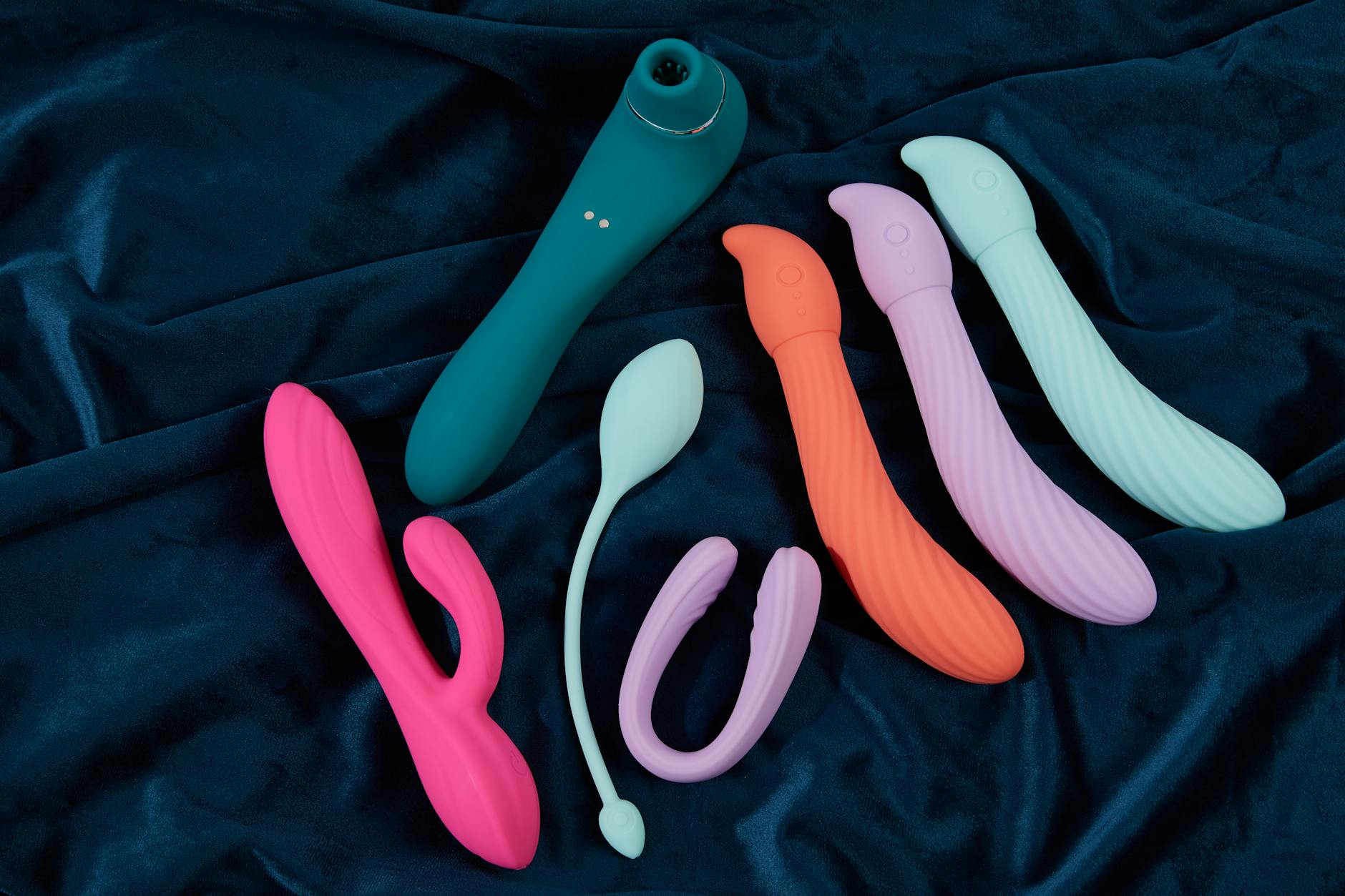
Let's talk about what low libido actually is
Here's the thing nobody says clearly: low libido isn't always a want problem. It's often an activation problem. Your desire might be there, totally intact, but the pathway to it is blocked. Stress, hormones, medication, exhaustion, relationship tension, depression, or just existing in 2026 can all muffle the signal. That's different from not wanting pleasure at all, and it matters because the solution is different.
When desire is low, traditional vibrators often feel like too much. They're loud, aggressive, and they demand something from you right away. A lemon vibrator works backwards. Instead of trying to build desire, it starts with sensation and lets desire follow.
Why lemon clitoral vibrators work when nothing else does
A lemon vibrator uses gentle suction rather than buzzing. This matters enormously when libido is low because suction doesn't require the same level of pre-arousal. You don't need to be already turned on for it to feel good. In fact, most people find that using a lemon vibrator is what turns them on in the first place.
Traditional vibrators work on a different principle. They activate nerve endings through rapid vibration, which works beautifully when your body is already primed. But when libido is low, your body isn't primed. You're starting from neutral or below. Vibration can feel overwhelming or annoying when you're not already aroused.
Suction, though. Suction creates a different sensation altogether. It's gentle, rhythmic, and it actually encourages blood flow to the area without demanding that you already feel desire. Many people report that the sensation itself jumpstarts arousal. Your body responds first. Your mind follows.
The low-libido advantage
There's something else that matters here. When you have low libido, using a tool that works with your body instead of against it removes a whole layer of pressure. You're not fighting your own system. You're not trying to force arousal that isn't there. You're simply exploring what feels good right now, at this level of desire, with this energy you actually have.
This is huge for relationship dynamics too. If you're partnered, your partner doesn't feel blamed ("I'm not attracted to you anymore"), and you don't feel broken ("My body won't cooperate"). The conversation shifts. Instead of "Why don't you want me?" it becomes "Let's find out what actually feels good for your body right now."
How to start when desire is genuinely absent
Don't aim for orgasm. Seriously. When libido is low, chasing climax often kills what little desire is there. You're adding performance pressure to an already fragile system.
Instead, aim for sensation. Set aside 10-15 minutes with zero expectation. Sit somewhere comfortable, alone. Use the lemon vibrator on the lowest setting, and just notice what happens. Not "Does this turn me on?" but "What does this feel like?"
Start slow. The lowest pattern on a lemon vibrator is genuinely gentle. It's not threatening. If even that feels like too much, that's fine. You're gathering information about your body's baseline, not passing a test.
Many people find that they need to spend several sessions just getting used to the sensation before pleasure shows up. That's completely normal and worth the patience.
When medication or hormones are the culprit
If your low libido is tied to antidepressants, birth control, or hormonal changes, a lemon vibrator can still help, but knowing the source matters. Some medications suppress arousal signals. You're not broken; your brain chemistry is just different right now.
With medication-related libido loss, a lemon clitoral vibrator can sometimes bypass the dampening effect because it's creating sensation directly, not relying on your arousal system to activate first. It's a workaround, not a cure, but it's often a functional one. The sensation can sometimes restart the arousal pathway even when it feels dormant.
If you're on antidepressants and considering stopping them to restore libido, talk to your doctor first. Adjusting dose, switching medications, or adding something like bupropion can help without abandoning your mental health. A lemon vibrator isn't a substitute for that conversation, but it can be useful while you're working with your provider.
The partner conversation, if there is one
If you're in a relationship and libido has tanked, introducing a lemon vibrator changes the dynamic. Instead of your partner feeling rejected or you feeling pressured, the device becomes the third character in the story.
You might say something like: "My body isn't responding the way it used to. That's not about you or us. I want to explore something that might help me reconnect with pleasure, and I'd love if you'd be curious about it too." Then actually let them be curious. Let them hold it. Ask what they think. This removes shame and builds alliance.
Some couples find that using a lemon vibrator together, with no pressure toward sex, actually rebuilds the whole intimacy system. You're touching, you're paying attention to sensation, you're not forcing anything. Desire often returns when pressure leaves the building.
What to expect in the first few weeks
Week one: You might feel nothing. That's fine. You're just getting introduced to the sensation.
Week two: You might notice that using the lemon vibrator starts to feel anticipatory. You look forward to it. That's desire rebuilding, just smaller.
Week three or four: Many people report that desire is starting to return not just during use, but in daily life. They think about sex again. They notice their partner. The whole system is waking up.
None of this is guaranteed, but it's common enough that it's worth knowing what the actual timeline looks like. You're not looking for instant transformation. You're looking for gradual thaw.
When to get professional help
If low libido persists for more than a few months, or if it arrived suddenly alongside other changes (mood shift, energy loss, relationship problems), talking to someone is worth it. Low desire can signal depression, relationship strain, hormone imbalance, or medication side effects. All of those are addressable, but they usually need more than a vibrator.
A good sex therapist or couples counselor can help you figure out what's actually driving the libido loss. That context changes everything about how you approach it. Using a lemon vibrator while ignoring an underlying relationship problem is like taking paracetamol for a broken arm. It doesn't hurt as much, but the arm still needs setting.
For couples specifically, I often recommend starting with the conversation before the device. "I want us to rebuild this together. Here's what I've been thinking..." gives you both agency instead of it feeling like one person is trying to fix the other.
The small permission you might need
Low libido comes with shame. You feel broken. Your partner feels rejected. The whole thing gets heavy. A lemon vibrator is a practical tool, but what it also does is give you permission to explore pleasure on your own terms, at your own pace, without judgment.
That permission matters more than the device itself.
People also ask
Can you use a lemon vibrator if you have absolutely no desire to have sex at all?
Yes, but reframe the goal. You're not using it to restore sex drive. You're using it to explore sensation without pressure. Many people find that reconnecting with their body through gentle sensation is what actually restarts desire. It's not guaranteed, but it's common enough that it's worth trying.
How long does it take for a lemon vibrator to help with low libido?
Two to four weeks of regular use is when most people start noticing a shift. Some people feel differently after the first session. Others need a few weeks of no-pressure exploration before desire returns. There's no standard timeline because low libido has different causes for different people.
Is low libido from antidepressants permanent?
Not always. Sometimes switching medications, adjusting dose, or adding another medication helps. Sometimes it's permanent with that specific drug. That's a conversation with your prescriber, not something a vibrator can fix. But while you're working through that, a lemon vibrator can help you stay connected to sensation.
If I use a lemon vibrator alone, will my partner feel threatened or left out?
Not if you talk about it first. "I want to understand my body better" is different from "I'm uninterested in you." Most partners actually feel relieved that there's something practical being done instead of the whole thing staying stuck in frustration and rejection.
What if using a lemon vibrator feels good but doesn't lead to orgasm or restored libido?
That's still valuable. Pleasure and desire aren't the same thing. You might spend a few months feeling good sensations without orgasm or without libido fully returning. That's progress. Your nervous system is learning that pleasure is possible even when desire is low. That's often where healing starts.
Do lemon clitoral vibrators work the same way for people with low libido as they do for people with high libido?
No, which is partly why they're so useful in low-libido situations. For high-libido people, a lemon vibrator intensifies something already switched on. For low-libido people, it can activate the system without requiring pre-existing desire. It's not a bug, it's a feature.
Your desire isn't broken. It's just quiet right now. Sometimes you need a tool that doesn't demand you be loud. A lemon vibrator works the opposite direction. It's gentle enough to meet you where you actually are.