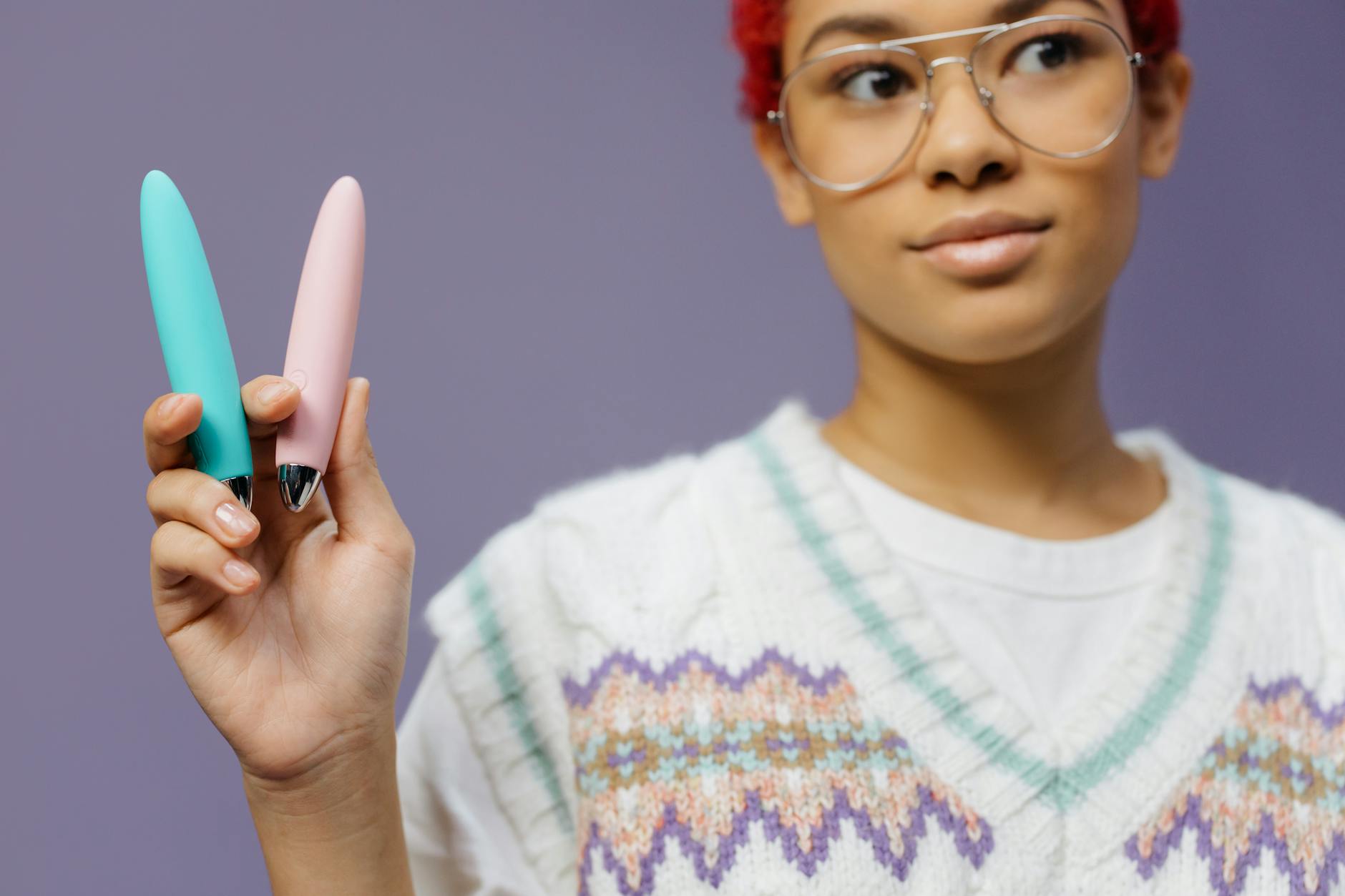
Here's the thing nobody says clearly enough
Your partner using a lemon vibrator for solo play isn't about you failing to satisfy them. It's about them knowing themselves better. And honestly, a partner who understands their own body is a better partner in bed with you. Full stop.
That said, the conversation around solo play can trigger a lot. Maybe you worry it means they're losing interest. Maybe you're concerned they're fantasizing about someone else. Maybe you just feel left out. Those feelings are real, and they're not evidence that anything is broken.
Why partners ask for protected solo time
There are usually three things happening when someone wants solo play time with their lemon vibrator:
First, they're learning what their body actually responds to without the pressure of performing for a partner. When you're in bed with someone, there's always some awareness of the other person's pace, comfort, and timing. Solo play removes that noise.
Second, they might be exploring edges of their pleasure they haven't shared yet. This isn't secrecy. It's processing. A lot of people need time alone to figure out what they actually want before they can communicate it to a partner.
Third, and this is huge, solo play is sometimes just stress relief. A lemon vibrator isn't always about chasing the most intense orgasm of your life. Sometimes it's about 15 minutes of feeling good in your body when your nervous system is running hot.
The insecurity that comes up (and why it's normal)
I've worked with hundreds of couples, and almost every time a partner introduces the idea of solo play, the other partner spirals a bit. The story usually goes: "If they needed it with me, they would ask." Or: "This means they're not satisfied." Or sometimes just: "Why don't they want me?"
Here's what I know from decades of practice: those feelings usually have nothing to do with the lemon vibrator.
They have to do with whether you feel secure in the relationship overall. A partner who feels seen, desired, and connected to you doesn't spiral when you use a toy alone. A partner who's worried they're not enough might. So if you're having a panic response to their solo play request, that's actually useful data. It might be worth exploring separately from the toy conversation.
How to actually support their solo time
Start by separating two things: their solo pleasure and your shared pleasure. They're not in competition. One isn't stealing time or energy from the other.
If they want to use a lemon vibrator alone, you can:
Give them actual privacy. Not "you can do it while I'm reading in the next room," but real protected time where they know you're not listening, checking in, or keeping mental track. Privacy is permission.
Avoid asking about it afterward. The questions that come from insecurity ("Did you think of me?" or "Was it better than with me?") turn their solo time into a confession instead of a choice. If they want to tell you about it, they will.
Notice your own feelings without making them their responsibility. You might feel left out. That's real. You might feel a tiny spike of anxiety. That's also real. But those feelings belong to you, not to them. Work with a therapist or trusted friend on that part. Don't ask your partner to stay small to manage your insecurity.
Use it as an opportunity to strengthen the rest of your intimacy. When a partner has their solo play protected, they often feel more open about shared pleasure. They feel less watched, less judged, less like they're performing.
What you might discover together
Something interesting happens in couples I work with once they get over the initial discomfort of solo play: they end up talking about sex more, not less.
When someone has 20 minutes alone with a lemon vibrator, they learn something. Maybe they find out they love a particular pattern on setting 2. Maybe they realize they get off faster when they're thinking about a specific scenario. Maybe they discover they actually want slower stimulation than they thought.
Then, when they come back to partnered sex, they can say it out loud. Not as criticism of you. As information. "Hey, I found out I really like this slower pattern." Suddenly you're not guessing anymore. You're working with actual data.
That's the opposite of a threat to your intimacy. That's the foundation of it.
The conversation you actually need to have
If your partner is asking for solo play time and you're nervous, here's what I'd suggest:
Don't debate whether they should have it. The answer is yes, they should. Everyone deserves to know their own body.
Instead, talk about what you need to feel secure. Do you need to know they still desire you? Say that. Do you need reassurance that this isn't about someone else? Ask directly. Do you need to feel like shared sex is still a priority? Discuss that.
Make agreements that feel honest. Maybe you need them to still initiate shared sex at least a few times a week. Maybe you need them to tell you when they're planning solo time, not as permission but as transparency. Maybe you need them to check in emotionally about the state of your intimacy.
Whatever it is, put it on the table. The worst couples I've worked with aren't the ones who disagree about solo play. They're the ones who secretly resent it while pretending to be fine with it. Resentment always leaks out.
Where this fits in a healthy relationship
A partner using a lemon vibrator alone isn't a problem in a healthy relationship. It's just a detail of being an autonomous person.
But if your relationship is already shaky, a solo toy can become the thing you both fixate on instead of addressing what's actually broken. In that case, the toy isn't the issue. The disconnection is.
If you're in that spot, consider couples therapy before the toy conversation spirals further. A good therapist can help you both understand what's really driving the anxiety.
For couples who are solid and just navigating normal autonomy stuff, solo play is actually healthy. It means your partner trusts themselves. It means they're not asking you to be their only source of pleasure or validation. It means they have their own inner life.
That's not a threat. That's a partner who has their act together.
The bigger picture
When I work with couples, I often see that the toys aren't the real issue. The real issue is whether you feel like a team. Whether you can talk about what you want. Whether you trust each other's intentions.
A lemon vibrator is just a tool. What matters is whether you're using the situation to build communication or whether you're letting it become a lightning rod for deeper insecurity.
If your partner wants solo play time, that's actually a good sign. It means they value their pleasure enough to protect it. And if you can support that without falling into panic, it means you're partners who trust each other.
That's the real intimacy. Everything else is just technique.
FAQ
How often should my partner be using a lemon vibrator solo versus with me?
There's no right ratio. Some couples do solo play once a week, some once a month, some rarely. What matters is that it feels balanced to both of you. If they're using it solo constantly and you feel neglected in shared sex, that's a conversation. If they want one night a week and you're spiraling about it, that's probably your anxiety talking, not a real imbalance. Talk about what you both need.
Is it normal to feel jealous of a toy?
Completely normal. A lot of people do. The jealousy usually comes from a fear that something else is meeting a need you thought was yours to meet. But a lemon vibrator isn't a person. It's not choosing anyone over anyone. It's just hands-free pleasure. Once you separate the toy from your fears about the relationship, the jealousy usually quiets down.
Should I watch my partner use a lemon vibrator alone, or should they do it completely privately?
That's between you two. Some couples find it hot to watch. Some people need complete privacy to feel comfortable exploring. Neither is wrong. The key is that both of you feel genuinely okay with the arrangement, not like you're compromising yourself to keep the peace.
What if my partner using a toy alone makes me feel like I'm not enough?
That feeling is worth exploring, probably with a therapist. Because your partner's solo pleasure has nothing to do with your adequacy as a partner. You could be the most attentive, skilled, connected partner in the world, and they would still benefit from solo exploration. It's not about you. If you're regularly feeling "not enough" in the relationship, that's the real issue to address.
Can solo play with a lemon vibrator actually improve shared sex?
Yes, absolutely. When someone understands their own body better, they're better at communicating what they want. They're less in their head. They're more relaxed. And all of that transfers to partnered sex. The couples I work with who embrace solo play often report that their shared intimacy actually deepens.
How do I know if my partner's solo play is a sign of a bigger problem?
It's a sign of a bigger problem if it's paired with emotional distance, lack of desire for you, or secrecy about other parts of the relationship. It's also a red flag if they're using toys to avoid physical intimacy with you entirely. But if they still desire you, still initiate shared sex, and are just asking for some protected solo time, that's just healthy autonomy. Don't read a problem into something that's actually normal.
The final thought
Supporting your partner's solo play with a lemon vibrator is actually an act of love. It says: I trust you. I trust your body. I trust your intentions. I don't need to control your pleasure to feel secure.
That kind of trust doesn't come naturally to everyone. But it's worth working toward. Because the couples who make it are the ones who genuinely like each other, not just the ones who perform for each other.
If you're struggling with this conversation, consider reaching out to a couples therapist or a relationship coach who specializes in intimacy. And if you want to explore your own understanding of solo play, that's worth protecting too. Everyone deserves the space to know their own body.
Ready to work through this with your partner? Get in touch with us.