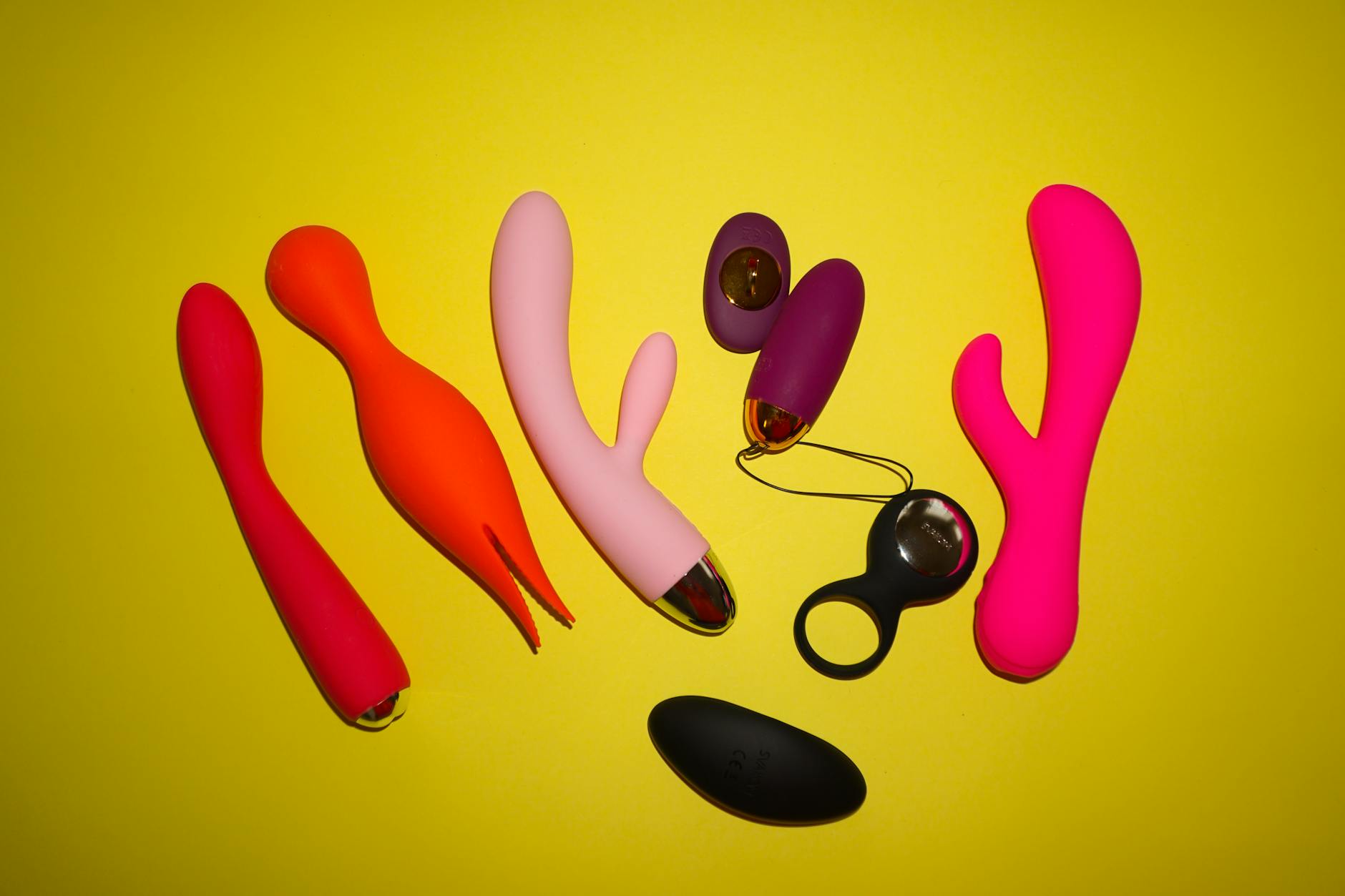
When your medication changes, your pleasure does too
Honestly, nobody warns you about this. You start an SSRI for anxiety or depression. Or you switch to a new blood pressure medication. Or you begin hormonal birth control. Your doctor talks about side effects. They mention nausea, headaches, weight changes. They almost never mention that your orgasms might feel muted, delayed, or completely absent.
But they do. And you're not broken. Your body is responding exactly as brain chemistry predicts.
What actually happens when medications change sexual response
SSRIs (like sertraline, paroxetine, and fluoxetine) are probably the most notorious. They work by increasing serotonin availability in your brain, which is fantastic for mood regulation. But serotonin also dampens the dopamine and norepinephrine spikes that trigger orgasm. For some people, orgasms take twice as long to reach. For others, the intensity flattens. A few people lose the ability to orgasm entirely, even though arousal itself feels normal.
Beta-blockers and other blood pressure medications do something different. They calm your nervous system systemwide. That's good for your heart. It's less good for the physical cascade that turns arousal into climax. Your body takes longer to build toward that peak.
Hormonal birth control alters testosterone and estrogen in ways that ripple through the whole pleasure response. It's not just about lubrication or clitoral sensation. It's about motivation, physical response time, and orgasm intensity. Some people find their sweet spot on a different pill formulation. Others need a completely different approach.
The important part: this is not permanent. It's not a sign your pleasure is gone. It's a recalibration. And lemon clitoral vibrators are genuinely one of the fastest ways to restart that connection.
Why lemon vibrators work better when medication shifts sensation
There are three reasons a lemon sucker or clitoral vibrator helps more than you'd expect.
First, they bypass the delay. When medication dampens your nervous system's ability to build arousal gradually, suction-based stimulation creates intensity without requiring your body to generate it internally. The Lem or similar lemon sexual toys use air-pulse technology that directly stimulates clitoral nerves. You're not waiting for a chain reaction to start. You're getting direct, concentrated sensation immediately.
Second, they change the stimulus pattern. Hands alone, or even vibration, trigger the same neural pathways your brain has learned to associate with "slower response time." When you introduce a completely different sensation type.suction instead of vibration.your brain has to process something novel. That novelty often bypasses the medication-dampened pathway and activates pleasure responses you thought were gone.
Third, they lower the cognitive load. When you're worried whether you'll orgasm, whether it'll happen, how long it's taking, your prefrontal cortex is busy running a stress loop. That stress literally blocks sexual response. Lemon vibrators, because they're so effective and so direct, tend to quiet that voice. You stop questioning and start feeling.
How to restart sensation after medication changes
Let's get practical. Here's what I recommend to clients dealing with medication-related pleasure shifts.
Start with exploration, not expectations. Spend a week or two using your lemon clitoral vibrator with zero goal of orgasm. The whole point is to relearn what sensation feels like now, in your medicated body. No pressure. No finish line. Just time alone with what feels good. Many people find that removing the orgasm target actually brings orgasm closer, because the stress disappears.
Use it during your most alert window. Some medications make you foggy in the morning. Others peak their side effects in the evening. Figure out when your body feels most awake and responsive, and use your lemon sexual toys then. For SSRIs, afternoon often works better than night, when serotonin is still climbing. For blood pressure meds, whenever you feel most rested and least tired.
Layer it with what you know works. If you've always needed a specific fantasy, specific music, a particular position.keep that. Now add the lemon vibrator. You're not replacing your pleasure blueprint. You're augmenting it with a tool that compensates for medication-dampened nerve response.
Extend your warm-up time. This is non-negotiable. When medication slows arousal, rushing makes everything harder. Give yourself 20 to 30 minutes minimum before introducing the vibrator. Your body needs time to build baseline arousal, even if it feels like nothing's happening. Then introduce the lemon sucker, and let the intensity layer on top of what you've already built.
Communicate with your partner if you have one. This is separate from fixing the physical response. Say: "My medication is changing how my body responds to pleasure. I'm not losing interest in you. My nervous system is just processing differently now." Then problem-solve together. Maybe they use the lemon vibrator on you. Maybe you use it solo and they stay close. Maybe you explore it together and it becomes a shared discovery instead of a fix you're implementing alone.
When to talk to your prescriber
If orgasm completely disappeared and hasn't returned in four to six weeks of exploration, mention it to your doctor. Not as shame. As a side effect, same as a headache. Some SSRIs cause more sexual dampening than others. Switching from paroxetine to sertraline, or adding a lower dose, genuinely helps some people. Wellbutrin (bupropion) actually boosts dopamine and counteracts SSRI sexual side effects for some, though it's not right for everyone.
For blood pressure or heart medications, sometimes a dose adjustment or a switch to a different class helps. Always mention the sexual side effect specifically. Doctors can't help with what they don't know about.
But don't wait for that conversation to start using tools that work now. Your pleasure matters while you're on medication that saves your life. These aren't mutually exclusive.
The orgasm timeline might be different now, and that's okay
Here's something most people don't expect: sometimes the orgasms that come after medication adjustment feel different not worse, just different. Maybe more localized. Maybe slower to build but more intense once they arrive. Maybe requiring more direct stimulation. These aren't losses. They're redirections.
I've had clients tell me that using a lemon vibrator after medication changes actually improved their orgasm consistency because it forced them to learn their body again, without assumptions. When you're not expecting the old pattern, you're more present for what's actually happening. Paradoxically, that presence often makes pleasure better, not worse.
That's not guaranteed. But it's common enough that it's worth reframing medication side effects from "my pleasure is broken" to "my pleasure is being recalibrated, and I get to learn it from scratch."
People also ask
Can I use a lemon vibrator while on SSRIs?
Absolutely. Lemon clitoral vibrators don't interact with SSRIs. They just work around the medication's effect on your nervous system by providing direct, intense stimulation that your brain processes differently. You might find that the vibrator actually helps more on medication than off it, because the dampened response means you need a stronger external stimulus to reach orgasm.
How long does it take to feel pleasure again after starting medication?
It depends on the drug and your body. Most medication-related sexual side effects peak around week three and either improve slightly or plateau by week six. For some people, sensation bounces back in a few months as your body adapts. For others, it stays muted for as long as you're on that medication. That's when lemon sexual toys become essential rather than optional. They're not a workaround for a temporary problem. They're a permanent tool in your pleasure toolkit.
If my partner uses the lemon vibrator on me, does it mean my medication is "too strong"?
No. It means you're using the right tool for your body's current state. Some people need glasses to see. Some people need hearing aids. Some people, while on medication that manages a serious health condition, need a clitoral vibrator to access orgasm. None of these are failures. They're accommodations. Your partner isn't "compensating" for your medication. You're both problem-solving together.
Should I tell my doctor I'm using a lemon vibrator to manage medication side effects?
You don't have to. But if you're considering medication changes specifically because of sexual side effects, mentioning that you've tried external aids and they help is useful information. It tells your doctor the dampening is real, not a motivation issue. It also means your doctor doesn't suggest unnecessary medication changes when a tool like the Lem might be the actual solution.
Can medication side effects on orgasm go away without switching drugs?
Yes, for some people. Your body sometimes adapts to SSRIs around month three or four. Sensitivity can return. Or it doesn't, and you live with a permanent shift. That's when lemon vibrators stop being experimental and start being standard. You're not waiting for your medication to fix itself. You're building a pleasure practice that works with the medication you need to stay healthy.
Is it normal for medication to make orgasm take longer even though arousal feels fine?
Completely normal. That disconnect.feeling turned on but physically delayed.is one of the most common SSRI side effects. Your brain wants to go. Your nervous system is applying the brakes. A lemon clitoral vibrator essentially bypasses that delayed pathway. You get direct nerve stimulation that doesn't rely on your medication-dampened cascade. That's why so many people find them effective when medication slows response time.
You didn't lose your pleasure. Your pathway changed.
Medication shifts how your nervous system processes pleasure. That's real. It's frustrating. It's also completely manageable once you stop waiting for your body to work the way it used to and start learning how it works now.
Lemon vibrators, lemon clitoral vibrators, and air-pulse toys in general are one of the fastest ways to that recalibration. They work because they introduce sensation your medication-dampened system can actually register and respond to. They're not a Band-Aid. They're an adjustment. And you deserve pleasure that fits your actual body, not the one you had before medication.
If you want to talk through specific questions about your situation, reach out to us. We're here to help you figure out what works.