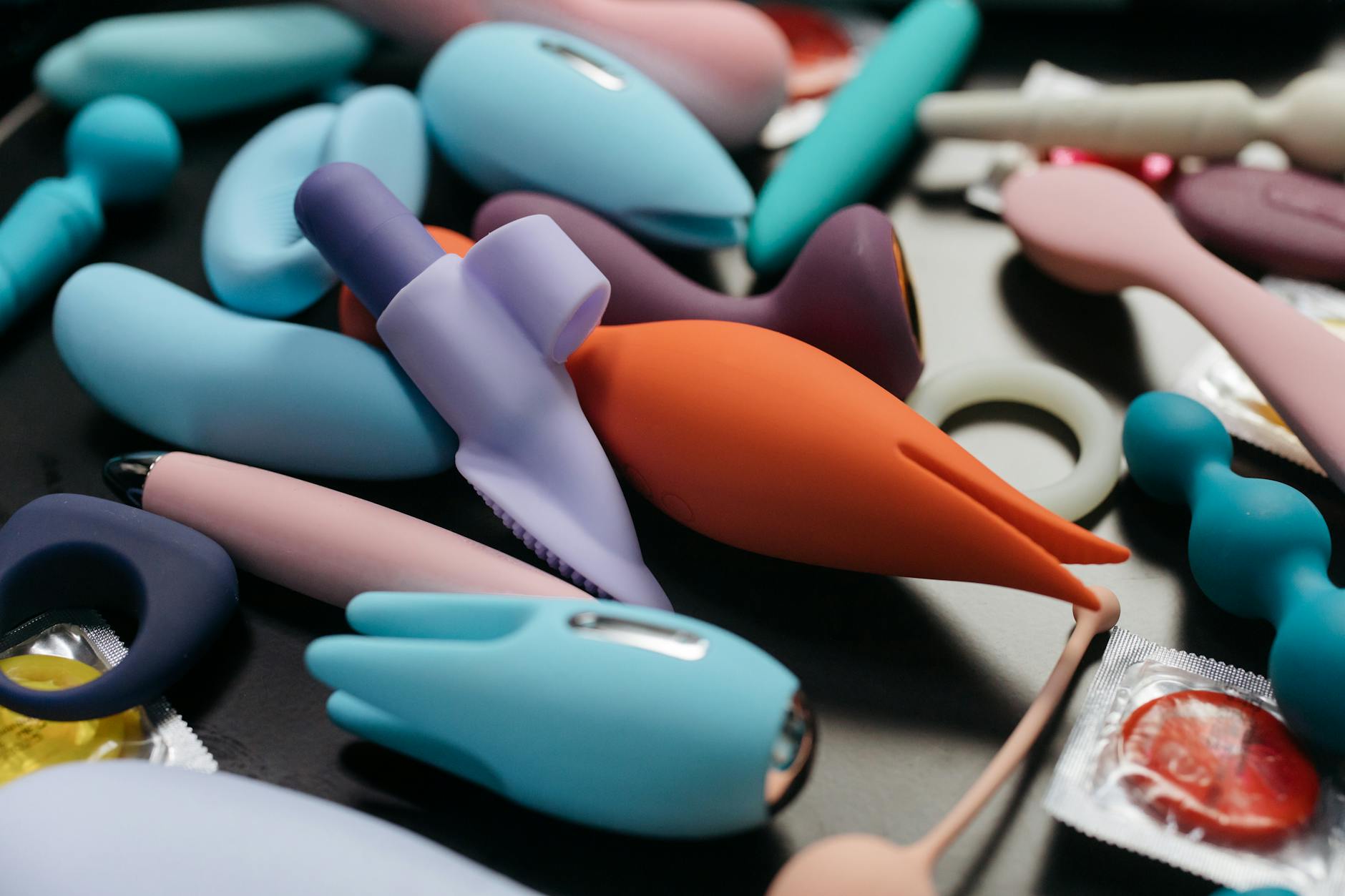
When your partner says no to toys
Let's be real. You want to explore lemon vibrators or clitoral suction toys like the Lem, but your partner has made it clear: they're not comfortable with it. Maybe they feel inadequate. Maybe they think toys replace them. Maybe they were raised to believe vibrators are "cheating." Whatever the reason, you're stuck in a stand-off where your curiosity feels like a threat to the relationship.
Here's what I tell my clients in therapy: this is not actually about the toy. It's about what the toy represents to your partner. And that's fixable, but only if you approach it differently than you probably have been.
Why partners resist lemon vibrators and clitoral toys
Three core fears usually drive the resistance.
Fear one: inadequacy. Your partner worries that wanting a vibrator means they're not "enough." That their fingers, their body, their effort isn't satisfying you. This one is the most common, and it's also the most addressable because it's rooted in a misunderstanding about how bodies work.
Fear two: replacement. They imagine you'd rather use a toy than be with them. That lemon clitoral vibrators or suction toys mean you're substituting intimacy with mechanics. This fear gets worse if you've mentioned wanting solo pleasure, which they interpret as rejection.
Fear three: moral judgment. Some partners were raised with the idea that vibrators are "dirty" or that wanting them signals something wrong in the relationship. If their parents never talked about pleasure, or if their religion framed sexuality as purely procreative, toys can feel like a violation of shared values.
None of these fears are rational, but they're all real. And they won't dissolve because you buy a lemon vibrator and leave it on the nightstand.
The conversation framework that actually works
Don't start with the vibrator. Start with desire.
Step one: choose the right moment. Not during sex, not when you're frustrated, not when they're tired. Choose a neutral time when you both have space to talk for 30 minutes without interruption. Some couples find this easier over a walk or in a car, when you're not making eye contact.
Step two: lead with curiosity about them. Say something like: "I've been thinking about bringing toys into our sex life, and I realized I never actually asked how you feel about that. Not what you think is "right" or wrong, but what makes you nervous about it." Then listen. Don't defend. Don't explain why they're wrong. Just hear what's underneath.
Step three: name what you heard. "It sounds like you're worried that if I use a vibrator, I won't need you anymore." Reflect it back. Let them know you actually understood their fear, not just their words.
Step four: separate the toy from the relationship. This is critical. Say: "A lemon vibrator or clitoral suction toy is a tool for sensation, the same way a massage wand helps tight shoulders. It doesn't replace you. My body has a lot of different pleasure pathways, and some of them respond better to specific kinds of stimulation. That's not about you being inadequate. It's about how nerves work."
Step five: explain what you actually want. "I want to explore what feels good to me, both solo and with you. Sometimes that might look like using a clitoral vibrator on my own. Other times we might use toys together. But the core of what I want is to feel pleasure without guilt, and to share that with you when you're ready."
The solo play boundary that builds trust
Here's the part nobody talks about: sometimes your partner needs to know that using a lemon vibrator solo doesn't threaten the relationship before they'll be okay with it.
Set a clear boundary. Tell them: "When I use toys on my own time, it's not about avoiding you or replacing you. It's about knowing my own body better so I can show you what I like. And I'm happy to keep that private, or to tell you about it afterward if that feels safer."
Then follow through. Don't use your vibrator and then expect immediate intimacy with your partner. Don't use it as a substitute when they've offered to be intimate with you. Use lemon clitoral vibrators for exactly what you said: self-exploration and pleasure on your own terms.

Photo by cottonbro studio on Pexels
This sounds counterintuitive, but it actually builds trust faster than trying to force the toy into partnered sex. When your partner sees that you can enjoy pleasure independently without it affecting how you show up for them, something shifts. The vibrator stops being a symbol of rejection and becomes just a thing you use sometimes.
Moving from resistance to curiosity
After you've had the first conversation and established the boundary around solo play, give your partner time. Don't push. Some people need weeks or months to move from "absolutely not" to "maybe."
When they show even small signs of softening, you can gently introduce the idea of using toys together. Not as a replacement for partnered sex, but as an addition. Try something like: "I was reading about how couples sometimes use toys during foreplay. Would you ever want to experiment with that? Just to see what feels good?"
Let them lead on pace. If they say no, drop it for another month. If they say "maybe," suggest one specific scenario. For example: "What if I used a lemon sucker during foreplay, and you watched? No pressure for you to do anything different. Just an experiment."
Many partners who resist toys at first become more open when they realize they can participate on their own terms. Using clitoral vibrators together, where you're still in control and they can see your pleasure, often feels less threatening than solo use.
When your partner remains unwilling
Some partners won't budge, even after the conversation, even with time.
If that's your situation, you have to decide what you're willing to accept. You deserve to explore your own pleasure. You deserve to know what feels good to your body. You also deserve to be in a relationship where that exploration isn't met with shame or control.
If your partner's resistance isn't budging after honest conversation and significant time, that's a relationship issue larger than toys. It might be worth working with a couples therapist to explore what's really going on beneath the surface. Often, toy resistance signals deeper issues around control, vulnerability, or sexual shame.
If you choose to use lemon vibrators solo anyway (which is your right), do it with full acceptance that this might create conflict. You're not being selfish by prioritizing your own pleasure. But you also shouldn't expect your partner to suddenly be fine with it just because you've decided you're doing it anyway. That's a real conversation with real consequences, and it needs to be explicit.
Building the conversation over time
Change doesn't happen in one talk. Think of this as an ongoing dialogue, not a negotiation with a finish line.
Each time you're intimate, you have a small opportunity to mention pleasure. "That felt really good when you did that." "I've been thinking about trying something different." "I read about how clitoral stimulation works, and I want to show you something." These micro-conversations build a culture where pleasure and exploration feel normal, not threatening.
When your partner brings up the toy conversation themselves (and some will), that's when you know the resistance is cracking. They've moved from "you want this" to "let me think about this." That shift is everything.
The reality of lemon vibrators and relationships
Honestly, some relationships expand to include toys and some don't. That's okay. What's not okay is never asking, or asking once and giving up, or using toys secretly and then wondering why your partner feels betrayed when they find out.
What you can do is have the conversation clearly, listen to what your partner actually fears, and then decide together what feels right. If that means using lemon clitoral vibrators solo and keeping that boundary firm, that's a valid choice. If it means waiting, that's also valid. If it means your partner eventually becomes curious and you explore together, that's the dream.
But it has to be intentional and honest. Anything less just creates resentment on both sides.
FAQ: Toys and reluctant partners
What if my partner thinks lemon vibrators mean I'm not attracted to them?
This is the most common fear. Directly address it: "I'm attracted to you. Full stop. My body also responds to different kinds of stimulation, just like you might enjoy a massage even though I can touch you. These are different things. A clitoral vibrator isn't about you; it's about nerve endings and sensation." If this fear persists after several conversations, couples therapy can help untangle it.
Can I use lemon suction toys without telling my partner?
Technically yes, but I don't recommend it. If your partner finds out, the trust damage is worse than the original resistance to the toy. Plus, living in secret around your own pleasure creates shame you don't deserve. Have the conversation, set the boundary, and let them decide if they want to know details or not. Honesty matters more than the vibrator.
What if my partner agrees to toys but only during partnered sex, never solo?
That's a valid boundary, and it's progress. Respect it. Use your lemon clitoral vibrator with them when they're ready, and explore solo pleasure when they're not around if that feels right. Boundaries evolve. Don't push faster than your partner can handle.
How do I introduce lemon vibrators to my partner if they're nervous about all sex toys?
Start educational, not promotional. Show them articles or videos about how clitoral suction toys work physiologically. Normalize the idea before you introduce a specific toy. Then, when the time feels right, let them see or hold it in a non-sexual context. "This is called a lemon sucker. It uses gentle air-pulse technology. Want to try it on your arm first?" Reducing the mystery reduces the threat.
What if my partner says toys are "cheating"?
This usually reflects values they inherited, not their own authentic belief. Ask them: "What does cheating mean to you?" Usually it means breaking trust or being intimate with someone else. A vibrator is neither. You can say: "I'm not interested in someone else. I'm interested in knowing my own body and experiencing pleasure with you present and consenting. That's the opposite of cheating."
Is there a toy that's less threatening to resistant partners?
Sometimes. External toys like lemon clitoral vibrators or suckers feel less invasive to some partners than penetrative toys. The Lem, for example, is a clitoral suction toy that doesn't involve penetration, which some partners find less threatening. But honestly, the threat isn't about the toy; it's about what it represents. Choose toys based on what feels good to you, not what you think will freak out your partner less.
Moving forward
Using lemon vibrators or clitoral suction toys when your partner isn't ready means getting honest about what you want, what they fear, and what you're both willing to negotiate. It's not about convincing them that toys are good. It's about building enough trust and communication that pleasure stops being a battleground.
That takes time. Be patient with your partner's process, and don't forget to be patient with yourself too. You deserve pleasure. And you also deserve a partner who eventually understands that.
If you're navigating this alone and need more support, reach out to a relationship coach or therapist who specializes in sexual health. Sometimes an outside voice makes all the difference.