Let's name what's actually happening
Confidence and pleasure aren't the same thing, but low confidence kills pleasure faster than almost anything else. You can own the best clitoral vibrator in the world and still feel stuck because there's a voice in your head saying "I shouldn't want this" or "This is selfish" or "What if I can't even do this right." That voice is the real barrier, not your body.
Here's what I see in my practice: people with low sexual confidence don't have broken bodies or dead desire. They have a running internal commentary telling them they're doing it wrong, that they're too old, too fat, too much, not enough, that pleasure isn't for them. That narrative is learned. Which means it can be unlearned.
Why lemon vibrators actually help with confidence building
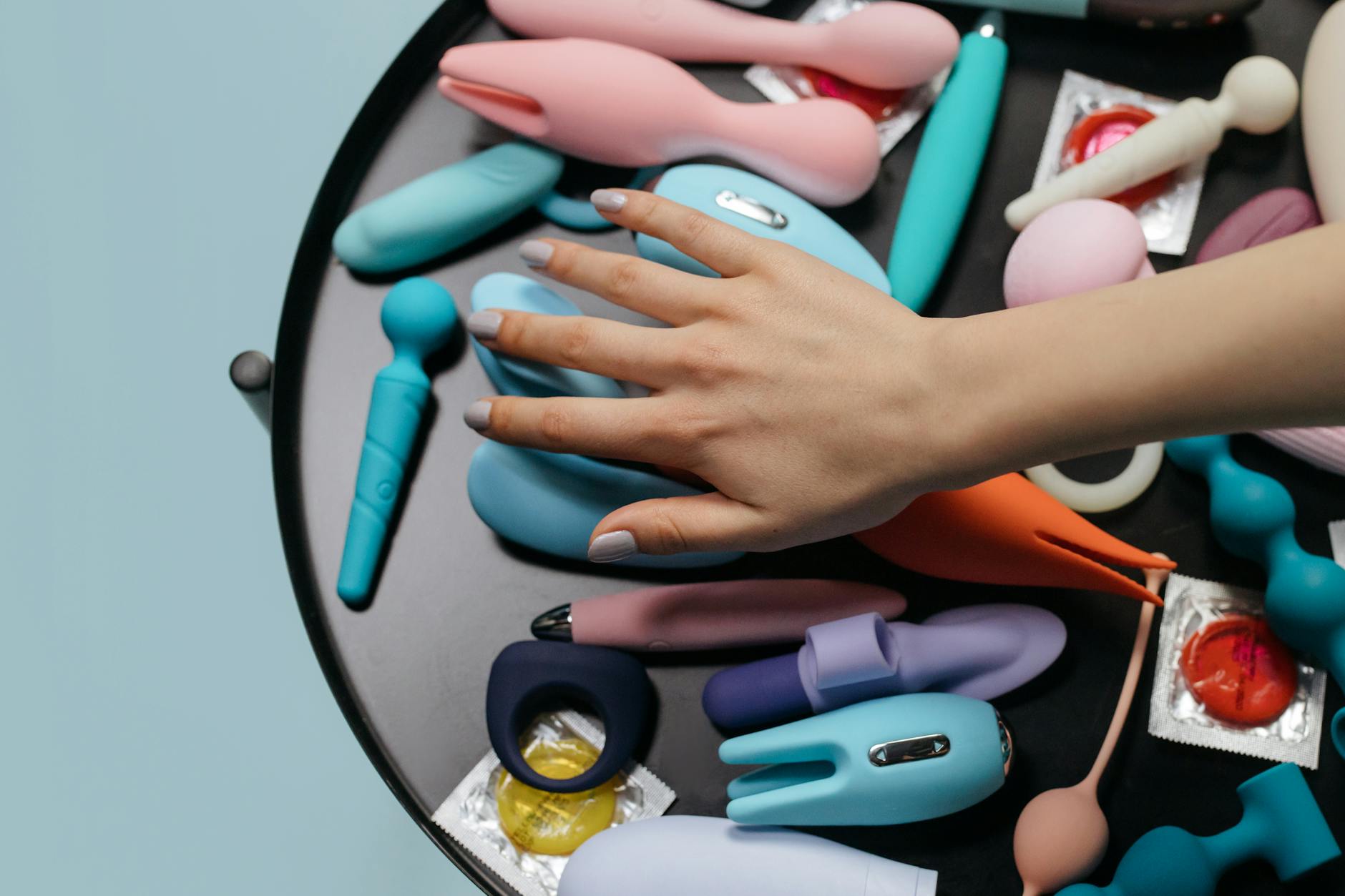
Clitoral suction toys like the Lem work differently than traditional vibrators, and that difference matters when you're trying to rebuild confidence. They use gentle air-pulse stimulation instead of aggressive vibration. This changes the experience from "I have to perform or respond a certain way" to "I can just feel what feels good and let it build." There's less pressure, literally and psychologically.
The suction pattern also creates a more diffuse sensation. You're not chasing a single intense point of stimulation. Instead, you're exploring a broader range of what your body actually enjoys. For someone rebuilding confidence, that exploration is everything. It shifts the focus from outcome (orgasm as a pass/fail) to process (discovering what your body likes).
Second, lemon vibrators are discreet enough that using one feels less like "performing" and more like "exploring." You can take your time. You're not worried about noise or visibility. That privacy removes a layer of self-consciousness that tanks confidence for a lot of people.
Starting from scratch when shame is in the room
If you grew up absorbing messages that pleasure was risky or selfish or something other people did, not you, your nervous system learned to treat desire like a threat. Your body might literally shut down during solo time because old conditioning says "this is wrong." That's not broken. That's a normal protective response to an old threat that no longer exists.
Your first job isn't to force yourself to enjoy something. It's to create safety for your own desires to exist. That looks like:
1. Privacy that feels real, not negotiated. Lock the door. Tell your partner you need an hour. Put your phone in another room. This isn't paranoia. It's neurological. Your brain can't relax into pleasure when it's monitoring for interruption.
2. No time pressure. Set aside 30 to 45 minutes minimum. The first few sessions won't even reach stimulation. You're just touching yourself, noticing what feels nice, building a relationship with your own body. That takes time.
3. A clear intention that isn't about reaching orgasm. Your job tonight is "I want to feel what I like." Not "I need to come." Not "I need to prove I can still feel things." Just exploration. That removes the performance anxiety that kills confidence.
The actual first session, step by step
Honestly, don't use the toy yet. The first time you have solo time, just touch yourself. No device, no goal. Spend 15 minutes noticing where you like to be touched. Is it your whole vulva? Just the clitoris? The sides? The area above? The opening? Your inner thighs? Your breasts? Slow is your friend here. You're gathering information about your own body, and that information is gold.
Second session, same thing, maybe with a water-based lubricant. You're still just learning. This is not a waste of time. People with low confidence often skip this step because they want to "do it right" immediately. That's the shame talking again. You've already survived not knowing your own body. You don't have to rush the knowing part.
Third session, you can introduce the lemon vibrator. Start with the toy off. Just hold it. Feel the weight, the shape, the temperature. Let your nervous system register that this is an object, not a threat. Turn it on, still not touching yourself. Hear the sound. Notice if that triggers anything (anxiety, curiosity, defensiveness). Just notice.
Fourth session onwards, place it on the lowest setting against your vulva with lube. Not inside. Just external. You're not trying to have an orgasm. You're trying to feel if this is a sensation your body enjoys. Some people love it immediately. Some people need five or six sessions before it starts to feel pleasurable instead of foreign. Both are completely normal.
What low confidence actually sounds like (and what to do about it)
The internal dialogue usually runs something like this: "I don't deserve this." "I'm taking too long." "This is selfish." "I should be having sex with a partner instead." "My body is wrong." "I'm doing this wrong."
When you hear that voice, you have one job. Pause. Notice the thought. Ask yourself: who taught me this? Was it religion, family, a partner, media, something else? Name it. Then decide if that voice gets to set the rules for your pleasure anymore. Usually the answer is no.
If you're partnered and you're struggling with confidence around solo pleasure, there's often a secondary story: "My partner wouldn't want me to." Or "This means I don't want them enough." Here's the clinical reality. Solo pleasure has nothing to do with partnered desire. People in happy, fulfilled relationships use toys and explore alone all the time. One doesn't compete with the other. In fact, knowing your own body actually improves partnered sex because you know what you need.
Building confidence through small wins, not giant leaps
Confidence isn't built by forcing yourself to love something. It's built by having small, successful experiences. So your definition of success tonight isn't "I had an orgasm." It's "I touched myself without immediately thinking I was being selfish." That's a win. Tomorrow, the win might be "I used the toy for five minutes without checking my phone." Next week, maybe it's "I noticed something actually felt good."
These micro-wins rewire your nervous system. Each one tells your body: "This is safe. Pleasure is allowed here." That accumulates. After a month of small wins, you'll notice the internal critic gets quieter. Not gone, usually, but quieter. That's the point where actual pleasure starts becoming possible.
One more thing: expect resistance. Expect nights when you feel too self-conscious even though you're alone. Expect your mind to suddenly remember something stressful from work. Expect your body to tense up randomly. That's not failure. That's your nervous system doing its job, processing old programming. It's actually a sign you're doing the real work, not just going through motions.
When to consider professional support
If you're working through this and you hit a wall that doesn't shift, talking to a sex therapist is genuinely worth it. This isn't weakness. This is recognizing that some confidence blocks have deep roots, and sometimes untangling them alone is slow. A therapist trained in sex-positive counseling can help you identify exactly where the shame landed and how to release it faster.
The same goes if you realize your low confidence is actually tied to trauma or a past relationship dynamic. That's not something a toy or technique is going to solve. That needs professional support. And that's completely okay. Getting help is the fastest path to actually enjoying pleasure again.
Building confidence in your own pleasure is not frivolous. It's foundational to a full, embodied life. You deserve to feel good. Not someday, when you're thinner or older or in a different relationship. Now. Your lemon vibrator is just a tool to help you remember that.