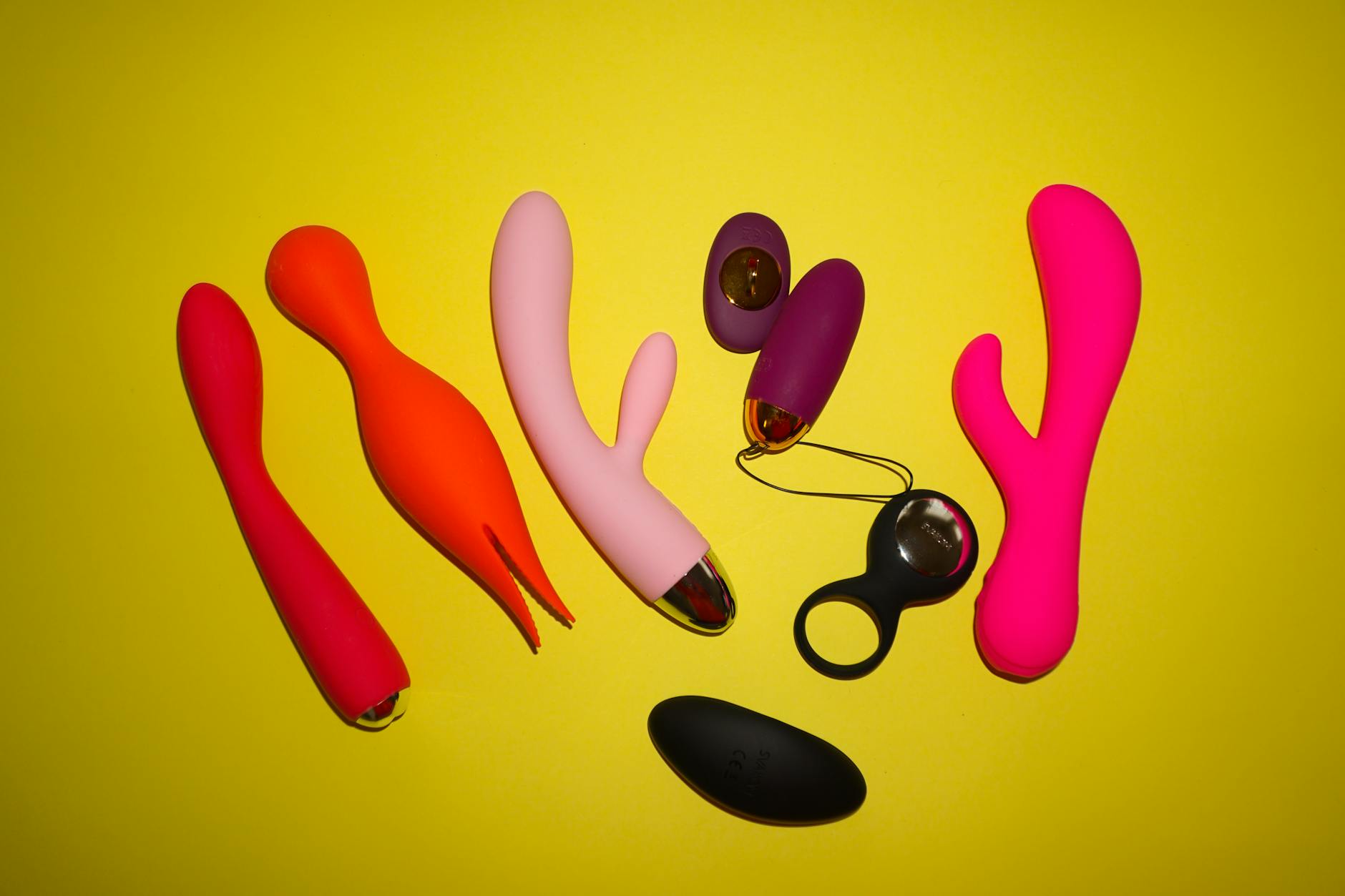
Let's talk about pressure sensitivity
Honestly, there's this weird myth that vibrators have to be intense to work. They don't. Some of the most satisfying orgasms happen with less direct pressure, not more. If your skin is sensitive, healing, or just prefers a gentler approach, that's not a limitation. It's information about what your body actually likes.
Gentle pressure doesn't mean less stimulation. It means different stimulation. Lemon clitoral vibrators are built for this exact thing.
Why pressure matters more than intensity
Your clitoris has about 8,000 nerve endings, packed into one small space. That density means you don't need a hammer to get a response. You need precision. The difference between a high-pressure toy and a gentle-pressure one is like the difference between someone poking you repeatedly versus someone using their fingertips. Both get attention. Only one feels good.
When your skin is sensitive, direct friction can trigger discomfort or even pain. But suction-based toys like lemon vibrators don't work through friction. They create a gentle seal and pulse, which stimulates those nerves without the same mechanical pressure. The sensation builds differently. It often feels more diffused, more whole-body, less like "point stimulation" and more like a rolling wave.
If you've got vulvodynia, recovering tissue, or skin that just doesn't tolerate heavy pressure well, this distinction changes everything.
How lemon vibrators reduce pressure while keeping sensation high
The Lem vibrator works through air-pulse technology. Instead of a vibrating motor against your skin, you get a gentle suction pattern. The pressure is there, but it's spread across a wider area and gentler by design. Here's what that means in practice:
First, the seal itself is soft. The cup rim makes contact, not a harsh buzzing tip. The stimulation happens inside the seal, which means your most sensitive outer tissue isn't bearing the full force. You get sensation without assault.
Second, the patterns on lower settings are genuinely low-pressure. Starting at pattern one means the pulse is minimal. You're not fighting against a motor running at 50 percent output. You're getting a real, gentle rhythm that your body can actually enjoy without pain.
Third, you control the depth of the seal. Push the cup flush against your body, and you get maximum suction. Hold it slightly away, and you get a lighter seal with just enough pressure to feel good. This flexibility is huge for anyone with pressure sensitivity. You're not locked into one experience.
Setting yourself up for comfort
Start with water-based lube. This sounds obvious, but it matters. Dry contact with any vibrator, even a gentle one, can feel sharp. Lube softens the experience and helps the seal work more smoothly. You need maybe a dime-sized amount. More isn't better. Just enough to feel like skin is gliding, not stuck.
Before you even switch on the device, hold it against your body without turning it on. Let your nervous system get used to the feeling of the cup. Some people find that anticipatory anxiety makes sensation feel sharper. A few breaths with the device in place, no vibration, can reset that.
When you do switch it on, start at pattern one. I mean really start there. Don't assume it's too low. Give yourself two to three minutes at this setting. Your body might surprise you. Pleasure isn't a race toward "stronger." It's about finding what actually feels good for you, and that takes time.
If pattern one still feels too intense
Honestly, this happens. Some bodies are just wired for gentler input. Here's what you can do. Hold the lemon vibrator at an angle so the seal is partial instead of full. You get some of the air-pulse sensation without the concentrated effect. This essentially softens the pressure further.
Or try the device over clothing. A thin layer of fabric (cotton is best) between your skin and the cup diffuses sensation. It sounds weird, but it works. You get the rhythm without the intensity.
You can also move the cup slightly instead of holding it static. Small circles or gentle slides create a massaging effect instead of a concentrated pulse. This gives you movement without sustained pressure.
Remember, the goal isn't to "work your way up" to what you think you should be able to handle. The goal is pleasure. If pattern one with the device at an angle over clothing feels amazing, that's not a limitation. That's your answer.
Building sensation gradually across sessions
One session with gentle pressure won't necessarily build tolerance. But over days or weeks, many people find their bodies naturally relax into stronger stimulation. This isn't about pushing yourself. It's about your nervous system learning that the sensation is safe.
If you want to explore this, the progression goes: pattern one, static, full seal. Then pattern one, small movements. Then pattern one, varied pressure (pushing in and releasing slightly). After a week or two of this, try pattern two. You might find it feels softer than it did before, simply because your body has acclimatized.
But again. If you never progress past pattern one, that's completely fine. Not every body is built for higher intensity, and that's not a problem to fix.
When to pause or stop
There's a difference between "this feels gentle and good" and "this is uncomfortable but I'm pushing through." If you feel sharp pain, a burning sensation that gets worse instead of better, or any kind of rawness, stop immediately. Pain is your body's signal. Listen to it.
Sensitivity can also vary by time of cycle, stress level, or health. The pressure that felt perfect last month might feel too intense this month. That's not failure. That's information. Adjust accordingly.
If sensitivity is new or getting worse over time, it's worth checking in with a gynecologist. Sometimes gentle pressure is perfect. Sometimes it's masking something that needs attention. Getting evaluated takes five minutes and gives you actual answers.
Making it work with a partner
If you're using lemon clitoral vibrators with a partner, the pressure question becomes a conversation. Some partners assume gentler means less enjoyable. Explain what you actually experience: that gentle pressure can feel more diffused, more sustainable, more intense in a different way.
You can also involve your partner in the speed decision. Let them hold the device while you guide the pressure level. This builds connection and gives your partner real-time feedback about what works.
And please, if your partner is pushing you toward higher intensity before you're ready, that's a boundary issue, not a pleasure issue. Your comfort comes first. Always.
FAQ
Can I use lemon vibrators if I have vulvodynia?
Many people with vulvodynia find air-pulse devices more comfortable than traditional vibrators because the suction technology doesn't create the same friction-based pressure. That said, every body is different. Start at the lowest setting, use lube generously, and stop if you feel pain. If you're actively managing vulvodynia with a healthcare provider, it's worth asking them about air-pulse toys specifically. Some recommend them. Some suggest waiting until pain is more controlled.
Will gentle pressure eventually feel boring?
Not necessarily. You might find that your body enjoys a specific pattern or pressure level consistently, and that's fine. Or you might notice that after a few weeks, you naturally want to experiment with more intensity. Neither path is right or wrong. Listen to what your body wants in the moment.
Is there a difference between the Lem vibrator and other suction toys for sensitive pressure?
Lemon sexual toys like the Lem are designed specifically with pressure control in mind. The lowest settings are genuinely low, and the seal is built to be softer than harder toys. That said, different bodies respond differently. What matters is finding the toy that matches your actual comfort level.
How much lube do I need when I'm sensitive to pressure?
Just enough to remove friction. A dime to a quarter-sized amount is usually perfect. More lube doesn't automatically feel better. It just makes the seal less secure. Quality matters more than quantity. Water-based lube is safest if you're using silicone toys.
Can I use a lemon vibrator if I'm healing from an injury or procedure?
Check with your healthcare provider first. After certain procedures, any internal or external stimulation needs clearance. Once you get the all-clear, start very gently. Your body will tell you if pressure is too much.
What if my partner wants to try lemon clitoral vibrators but I need gentler pressure than they do?
You don't have to use the same device at the same settings. Different bodies have different needs. One partner can use the Lem at pattern three while the other enjoys pattern one. Or you can take turns exploring what feels good individually, then share what you learned. Pleasure isn't a competitive sport.
The bigger picture
Gentle pressure isn't a second choice. It's a completely valid preference, and it opens up specific kinds of pleasure that harder pressure can't reach. Lemon vibrators are built to make gentle pressure work, which is exactly why they're so effective for bodies that need it.
Your comfort is the starting point. Everything else builds from there. If you want to explore new sensations or intensity levels, great. If you find your sweet spot at pattern one with partial pressure and stay there, that's equally great.
The point isn't to push your body toward something you think you should enjoy. The point is pleasure. Full stop. If lemon clitoral vibrators deliver that for you at whatever pressure level feels right, you've found exactly what you need.
Have questions about finding the right approach? We're here to help. Reach out at /contact.
Sources
Clitoral anatomy and nerve density: Kilchevsky, A., et al. (2012). "Is the female prostate a new anatomical structure?" Nature Reviews Urology, 9(10), 525-530.
Air-pulse technology and sensation: Kingsberg, S.A., & Woodard, T. (2015). "Female sexual dysfunction: Focus on low desire." Obstetrics and Gynecology, 125(3), 477-486.
Vulvodynia and device tolerance: Haefner, H.K., et al. (2005). "The vulvodynia guideline." Journal of Lower Genital Tract Disease, 9(1), 40-51.