
Here's what most people get wrong about solo play
They treat it like training wheels. Something to do until the "real thing" happens with a partner. In reality, solo exploration is foundational. It's where you learn your body's language, discover what rhythm actually works for you, and build the confidence to communicate that to someone else later.
Most people who struggle with pleasure in partnered sex skipped this step. They never spent time alone figuring out what lights them up. So when a partner asks what they want, they have no answer. That gap between "I don't know" and "let me show you" is where a lot of frustration lives.
Why lemon vibrators are perfect for solo discovery
The design of lemon clitoral vibrators matters here. Unlike traditional wands, the lem vibrator uses air-suction technology paired with gentle pulsing patterns. This means you're not chasing the one perfect setting. You're exploring. The range lets you experiment with what feels good on different days, in different moods, with different levels of arousal.
That range is exactly what you need when you're learning. You're not trying to replicate someone else's technique. You're building your own. A lemon sexual toy gives you that freedom because the patterns feel distinct enough that you'll notice preferences. Pattern three might feel too intense today and perfect tomorrow. You'll notice. That self-knowledge is the entire point.
Building your solo pleasure map
Start without the toy. Spend a few sessions just touching yourself, noticing what happens. Where does arousal start for you. Does it build from the outside in, or does it need internal sensation first. Does your clitoris want direct touch or does pressure feel overwhelming. This sounds basic, but most people skip it and jump straight to toys.
Once you have a baseline, introduce the lem vibrator on its lowest setting. Not the pattern that sounds most interesting. The lowest intensity. Run it over the outer labia first, not diving straight to the clitoris. Notice how your body responds. Does it feel good immediately or does it need warm-up. Do you prefer the sensation on the right side, left side, or straight down the middle. Your body has preferences. Find them.
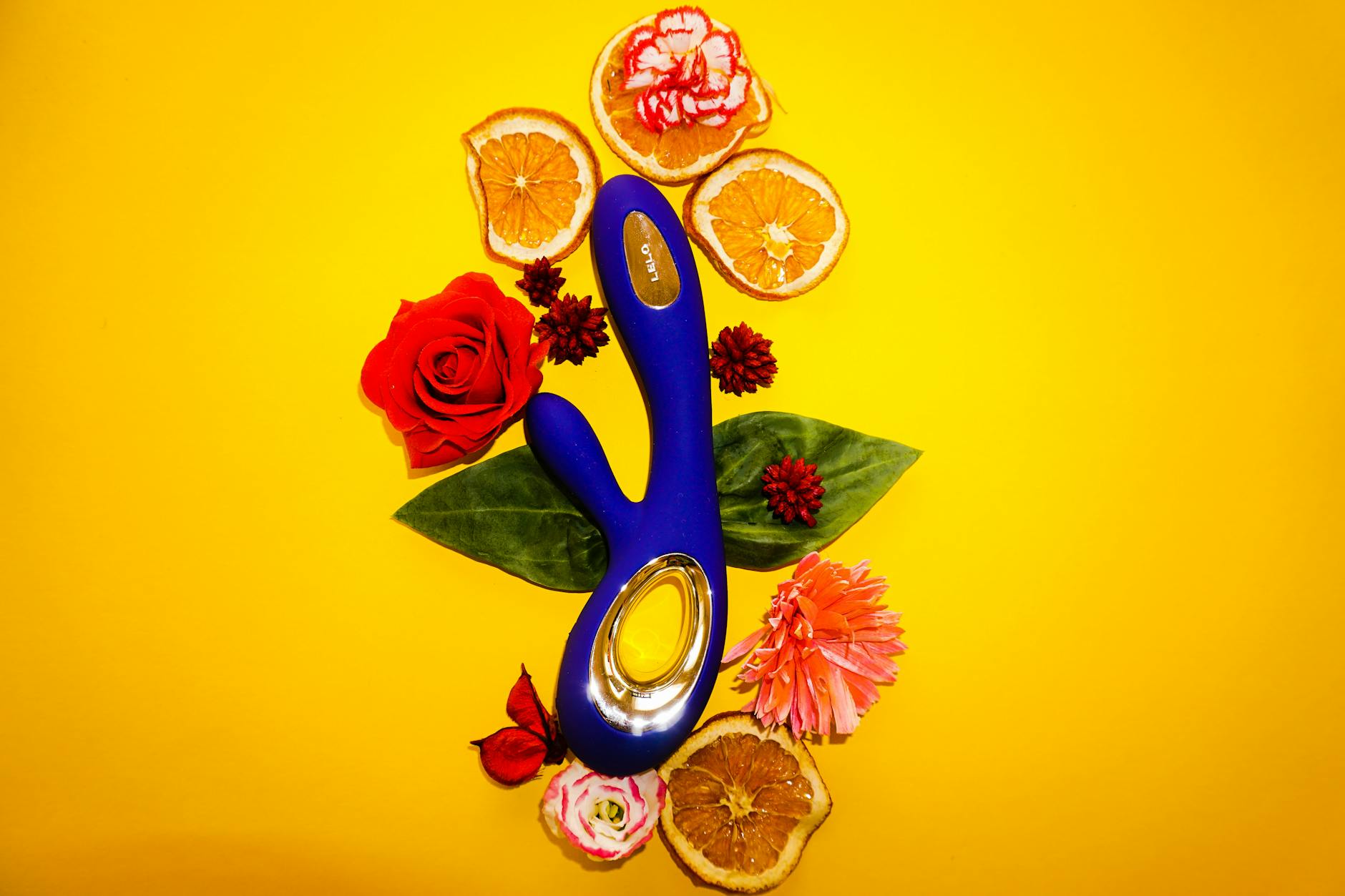
Photo by FounderTips . on Pexels
Spend at least three to five solo sessions exploring just the outer labia before you move to direct clitoral contact. This is where patience pays off. You're not racing to orgasm. You're mapping sensation. That distinction changes everything.
The confidence gap and why it matters
When you arrive at partnered sex without this groundwork, you're essentially asking your partner to figure out your body for you. That puts them in an impossible position. They don't have access to your internal experience. They can only guess. Meanwhile, you're performing, not receiving, because you don't actually know what you want.
Solo play with a lemon clitoral vibrator flips that script. You become the expert. You know which patterns feel best. You know how long your arousal takes to build. You know the difference between what looks good and what actually feels good. That knowledge is power in a partnership because you can lead instead of waiting to be led.
This is especially important if you're moving into partnered sex after a long single stretch, or if you're recovering from a relationship where your pleasure wasn't prioritized. Solo play isn't selfish. It's the foundation of being a good partner because you arrive knowing yourself.
Working with sensations you've never experienced before
If you've never used a lemon sucker or air-suction device before, the sensation is different from what you might expect. It's not a vibration in the traditional sense. It's more like a gentle pulling sensation combined with rhythmic pulsing. This can feel strange at first, which is normal.
On your first solo session with a lemon vibrator, expect it to feel weird. You might not feel much. You might feel too much. Your job is to notice without judgment. Move it slightly. Try different pressures. The lightest touch often works best. You can always press down harder. You can't undo too much pressure.
If the sensation doesn't feel good immediately, try the toy in the shower. The warm water and different context can change how your body receives the sensation. Or try it through underwear first. The fabric creates a buffer that softens the sensation while your nervous system gets used to it. There's no rush here. This is exploration, not performance.
Alone time is where you learn what rhythm you actually need
Partners often use rhythm as a proxy for intensity. They assume faster equals better. It usually doesn't. Your body has a rhythm that works, and it might have nothing to do with speed. Maybe you need a slow build with a long pause at the peak before intensity climbs. Maybe you need staccato pulsing rather than smooth vibration. Maybe you need to hold the toy still and let the patterns do the work, rather than moving it yourself.
You'll only discover this alone. When a partner is watching, there's an invisible performance element. You're modulating for their comfort or their rhythm or their fantasy of what you should enjoy. Alone, with a lemon clitoral vibrator, you can take twenty minutes finding the exact right spot and pressure and pattern without anyone waiting or adjusting or offering suggestions.
That twenty minutes alone teaches you more about your body than years of partnered sex without this foundation.
The emotional permission piece
Solo play also addresses something nobody talks about: the guilt. Many people carry shame around self-pleasure, especially if they grew up in environments where masturbation was framed as wrong or less-than "real sex."
Using a lemon sexual toy alone is a way of giving yourself permission. It's saying: my pleasure matters enough to invest time and intention here. It's not a consolation prize for not having a partner. It's a deliberate choice to know your own body.
When you bring this confidence into a partnership, it changes the dynamic. You're not asking permission. You're inviting collaboration. That shift from seeking approval to offering knowledge is subtle but massive.
Moving from solo to shared without losing yourself
Once you've spent time exploring alone, introducing a lemon vibrator into partnered sex becomes easier because you already know what works. You can show your partner. You can guide their hand. You can say "yes, right there, now slower" because you've already memorized that terrain.
The toy also takes pressure off your partner to "do it right." They're not responsible for your orgasm. The lemon vibrator is. They get to be present and attentive without carrying the weight of performance.
For more on this specific transition, see how lemon vibrators change the dynamic when you want solo pleasure after years with a partner. The principles are similar: solo mastery makes partnered play less fraught.
When solo exploration uncovers something unexpected
Sometimes solo play reveals that partnered sex isn't what you actually want right now. That's useful information. Sometimes it reveals that you need more stimulation than you thought, or gentler touch, or a completely different approach to arousal than your partner has been providing.
None of this is your partner's fault. It's information. And you can only access it if you've spent time alone first.
If you discover during solo play that you're struggling with sensation or arousal, that's also important. How to use lemon clitoral vibrators for better orgasms when you feel numb addresses this specific situation with strategies that work whether you're playing solo or with a partner.
Creating space for solo play in a relationship
If you're already partnered, solo exploration still matters. You don't need permission, but you might need to create actual space for it. A locked door. A specific time. A conversation with your partner about why this matters.
This isn't infidelity. This isn't a comment on your relationship. This is maintenance. Solo play keeps you connected to your own pleasure, which makes you a better, more present partner when you're together.
Your partner benefits too. They get a you who knows what she wants. Who can communicate clearly. Who isn't waiting for them to figure out your body. That's radically easier to be in relationship with.
FAQ: Solo play with lemon vibrators before partnered sex
How often should I explore solo with a lemon vibrator before introducing it to a partner?
There's no magic number. Most people benefit from five to ten solo sessions before bringing the toy into partnered play. That's enough time to get familiar with how your body responds and what patterns you actually prefer. But some people need more. Listen to yourself. You'll feel when you're ready to transition because you'll have genuine curiosity about how a partner might participate, rather than anxiety about introducing the toy.
What if my partner feels threatened or jealous about my solo play?
That's a conversation worth having before the toy shows up. The framing matters. "I want to know my body better so I can communicate with you more clearly" is different from "I'm doing this with or without you." Both might be true, but the first one invites partnership. Some partners feel insecure about toys initially and that often softens once they understand that solo play makes you a better partner, not a less available one. If the insecurity persists, that's something worth exploring together, possibly with a therapist who specializes in couples work.
Can I use a lemon vibrator if I've never had an orgasm solo before?
Absolutely. The tool doesn't create pleasure. It amplifies sensation, which can help your nervous system understand what arousal feels like. You might not orgasm on your first or fifth try. That's fine. The goal is exploration, not achievement. If you're consistently struggling with arousal or sensation, a conversation with a healthcare provider is worth having because sometimes there's a physiological component that's worth ruling out.
Should I tell my partner I'm using a lemon sucker solo, or keep it private?
Depends on your relationship and your comfort level. Some couples benefit from transparency about toys and solo play. Others prefer privacy around solo pleasure. There's no universal right answer. What matters is that you're not hiding it out of shame, and that you're not using it as a tool for deception. If you find yourself wanting to keep solo play secret because of guilt, that's worth examining.
How do I know if I'm "ready" to introduce a lemon clitoral vibrator to partnered sex?
You'll feel a shift from curiosity to confidence. When you stop wondering if the toy is "normal" and start wondering how a partner might enjoy it with you, that's a sign you're ready. You also feel less defensive about it. You're not justifying. You're just offering.
What if solo play with a lemon vibrator feels too intense or uncomfortable?
Start with the lowest setting and absolutely lightest touch. The outer labia only. No direct clitoral contact for the first few sessions. If it still feels wrong, try using it through a barrier. Some people also find that the sensation makes more sense in warm water or with a partner present nearby even if they're not directly involved. Sensations that feel weird can take time to recalibrate as pleasure.
Why this matters for your partnership
The most generous thing you can do in a relationship is show up knowing yourself. When you've spent time alone exploring with a lemon vibrator, you arrive at partnered sex with knowledge instead of questions. That clarity transforms how you communicate, how you feel, and how your partner can actually meet you.
Solo play isn't selfish. It's the most selfless foundation you can build. Start there. Learn yourself. Then bring that expertise into partnership.