Let's talk about what nobody tells you
After 50, your body speaks a different language. That doesn't mean it stops speaking. But if you're still using the same approach to pleasure that worked at 35, you might be frustrated, confused, or convinced something's broken when actually you're just using the wrong tools for your evolved self.
The good news. Lemon vibrators like the ones from Hello Nancy are genuinely designed for this phase of life. And understanding why matters more than just reaching for one and hoping.
What actually changes after 50
Hormone shifts are real. Estrogen drops, and that affects tissue thickness and natural lubrication. Your body takes longer to warm up. The clitoris doesn't shrink, but the tissue around it becomes more delicate. Orgasms can feel different, sometimes shallower, sometimes concentrated in different places. Your pelvic floor loses some elasticity.
Here's what doesn't change.
Your capacity for pleasure. Your nerve endings. The neural pathways that lead to orgasm. Your ability to feel deeply good. Many clients tell me their best orgasms have come after 50. That's not optimism talking. That's clinical reality.
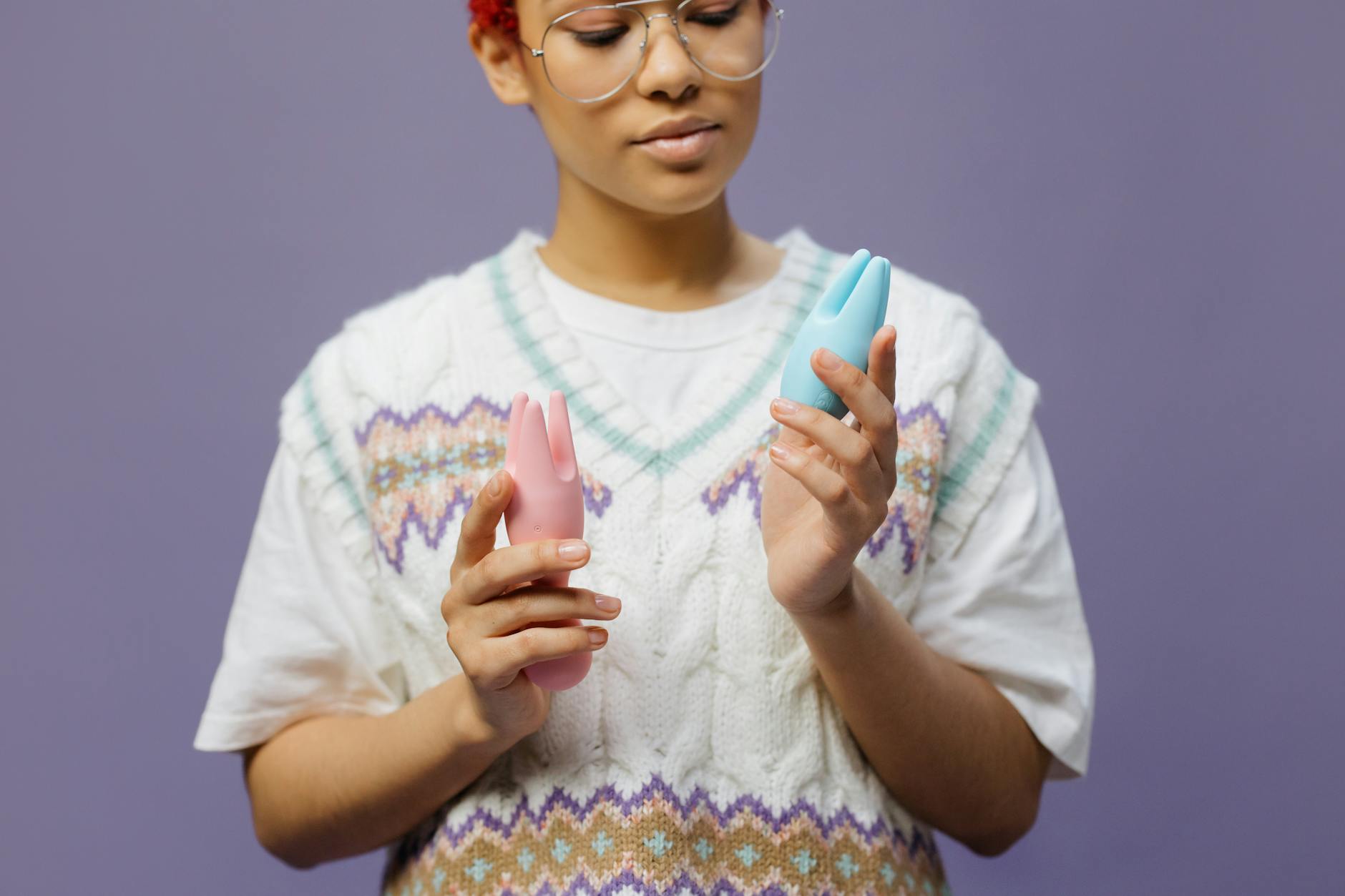
The key difference is that after 50, you need support that respects this new landscape. A traditional vibrator that relies on buzz intensity often feels irritating instead of good. A lemon clitoral vibrator uses suction and gentle wave patterns that work with your changed tissue, not against it.
Why lemon vibrators work better for your body now
Three specific reasons.
Suction doesn't require direct friction. Your clitoral tissue is more sensitive now. A lemon vibrator creates gentle suction waves that stimulate without the grinding intensity of a traditional buzzer. It's like the difference between a massage and a jackhammer.
The warm-up curve matches reality. Lemon vibrators typically offer lower entry-level settings. You're not forced to start at a baseline that feels too strong. You can begin at setting one and let your arousal build at its own pace, which after 50 takes longer and that's completely normal.
Pattern variety matters more. After hormonal shifts, some people respond better to rhythm than to raw intensity. A good lemon clitoral vibrator cycles through different pulse patterns, letting you find what your body actually wants today instead of what it wanted fifteen years ago.
The physical setup that helps
Four practical changes that make a real difference.
Lubrication is non-negotiable now. Not because you're broken. Because your tissue genuinely benefits. Water-based lube works best if you're using silicone toys. Apply it before you start and reapply as needed. This isn't a sign of struggle. It's just how your body works now, and that's fine.
Budget time differently. Arousal after 50 often needs 20-30 minutes instead of five. That's not a flaw. It's a feature. Longer warm-up typically means deeper orgasms. Use the first 15 minutes on foreplay, touch, or just being present with your partner or yourself.
Start at lower settings. With a lemon vibrator, begin at level one or two. The whole point of suction technology is that you don't need high intensity to feel good. Let your body tell you when to turn it up. Most people never go above level three or four.
Check your pelvic floor first. After 50, pelvic floor tension often creeps up without you noticing. Tight muscles can block sensation. Spend two minutes before pleasure time consciously relaxing your pelvic floor. Breathe into your belly, not your chest. This single shift changes everything.
What changes emotionally after 50
Pleasure after 50 often gets tangled with other life stuff. Your body's different, yes. But you're also managing aging parents, adult children, partnership shifts, career transitions, or grief. Sometimes what feels like "my body doesn't respond anymore" is actually "my mind is somewhere else."
If you're with a partner, the most useful thing you can do is separate the conversations. "My body feels different now" and "I want us to stay connected" sound related, but they need different approaches. Mixing them turns both into unsolvable problems.
Many of my clients find that the transition after 50 actually deepens pleasure because the noise quiets. You stop performing. You stop worrying about your appearance the same way. You're more interested in what actually feels good than what you think should feel good.
Adjusting expectations, not desire
After 50, you might notice that orgasms feel different in shape or intensity. That's not loss. That's evolution. Some women describe them as more localized. Others say they're full-body but slower to build. Neither is better or worse than the younger version. Just different.
A lemon vibrator respects this. Because suction technology creates a different sensation pathway than traditional vibration, it often helps people after 50 reach orgasm differently, sometimes more easily, sometimes with more intensity than they expected.
The research backs this up. Studies on clitoral suction devices show higher satisfaction rates in people over 45, particularly those who report decreased response to traditional vibrators. It's not luck. It's physics meeting biology.
When to talk to a doctor
If sex is painful, that's worth a conversation with a menopause-informed GP or gynecologist. Genitourinary syndrome is common, treatable, and nothing to be embarrassed about. Topical estrogen creams work quickly.
If desire has completely disappeared and isn't returning with rest or relationship work, ask about testosterone therapy. It's less commonly prescribed in some countries, but it exists and can be transformative for the right person.
If you're on antidepressants and notice pleasure feels flat, that's also worth mentioning to your doctor. Sometimes a dose adjustment or medication switch helps. Don't just accept it as permanent.
How to introduce a lemon vibrator if this is new
If you've never used a clitoral vibrator, starting after 50 is fine. You're not late. You're just beginning.
First, spend time solo. Understand what feels good on your own before bringing it into partnered time. Use lube, start low, and give yourself permission to just explore without pressure to orgasm. Sometimes the discovery is the point.
If you're introducing it to a partner, be direct. "I want to try something that might help me feel good again. I'd like you to be part of this." Most partners appreciate clarity more than mystery.
FAQ
Do lemon vibrators feel different from regular vibrators for someone over 50?
Yes, significantly. Suction technology creates wave patterns that don't require the same direct friction as traditional vibrators. For tissue that's thinner or more sensitive after menopause, this often feels better, less irritating, and more pleasurable. You're not choosing between intense buzz and nothing. You're choosing a completely different type of stimulation.
How long does it take to adjust to a lemon vibrator if my body feels different now?
Most people adjust within 3-5 uses. The first time is often discovery. By the second or third use, your body understands the sensation and responds better. Start with no pressure. Some people reach orgasm the first time. Others need a few sessions to learn the new pathway. Both are completely normal.
Can I use a lemon vibrator if I'm on hormone therapy or antidepressants?
Yes, absolutely. A lemon clitoral vibrator works with your body as it is now, medicated or not. If antidepressants have dulled sensation, suction technology sometimes helps because it stimulates in a way that bypasses some of the numbness. You might need to experiment with settings and patterns more, but it's worth trying.
Does lubrication need to be different for a lemon vibrator after 50?
Use water-based lube with silicone toys. Age doesn't change this. What does change is that you might need more lube now, and that's fine. Apply it generously and reapply as you go. This isn't compensation for dysfunction. It's just how your body works now.
Is reduced arousal after 50 permanent?
No. Slower arousal is normal. Absent arousal is sometimes a sign of something else, hormonal or emotional. If desire has completely disappeared, talk to your doctor about hormone levels, medication effects, relationship stress, or grief. Often there's something addressable underneath.
What if my partner doesn't understand why my body feels different now?
Education helps. Share articles. Talk specifically about what's changed and what hasn't. Invite them to explore with you instead of framing it as a problem you're solving alone. Many partners feel relieved when pleasure is explicitly addressed instead of left as an awkward silence. If communication doesn't work, a therapist who specializes in couples and midlife transitions can help.
You're not starting over, you're evolving
After 50, pleasure doesn't end. It deepens if you let it. The tools change. The timeline changes. Your body's language changes. But the capacity for good sensation, for connection, for joy is still there.
A lemon vibrator from Hello Nancy is designed for exactly this phase. Not as a workaround for aging. As a tool for meeting your body where it actually is now.
If you're curious about trying one, start with the lower settings, use lube, and give yourself permission to learn. Your body after 50 might surprise you.