Here's what nobody tells you about pain during sex
Pain during sex doesn't mean your body is broken. It means your nervous system is sending a protective signal, and that signal is real, valid, and often fixable. Between 30 and 40 percent of people with vulvas experience pain during intercourse at some point in their lives. It's wildly common. And it's wildly treatable.
The problem: most conversations about sex pain focus on penetration as the only pathway to pleasure. So when penetration hurts, the entire experience gets written off as "not happening today." That logic is what needs to change.
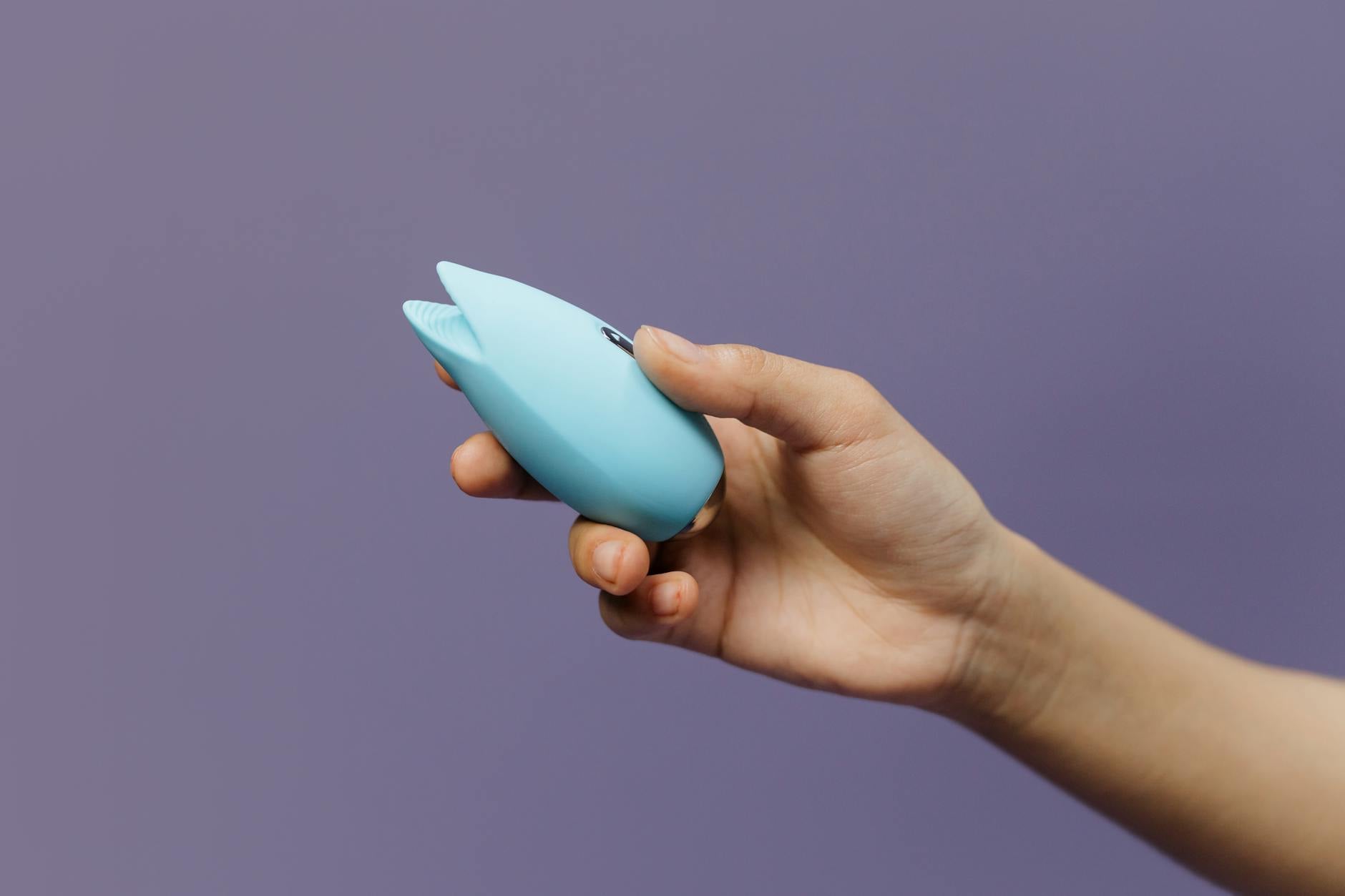
Why lemon clitoral vibrators matter when penetration is painful
Let's start with the neuroscience bit, which is genuinely interesting. When you experience pain during sex, your nervous system learns to protect that area. Over time, anticipation of pain creates tension before anything even happens. Muscles tighten. Blood flow constricts. The whole system goes into defense mode.
Clitoral stimulation via a lemon vibrator works differently. Suction technology targets the thousands of nerve endings in and around the clitoris without any penetration, without friction against sensitive tissues, and without recreating the painful stimulus. It's a completely separate sensory pathway.
What happens next is remarkable. When you experience pleasure through lemon suction vibrators repeatedly and painlessly, your nervous system begins to recalibrate. The brain learns: "This is safe. This feels good." That rewiring, according to sex therapists, is one of the fastest routes back to confidence and arousal.
It's not a workaround. It's a reset button.
The physical mechanics of why suction doesn't hurt where friction does
Most traditional vibrators work through oscillation or vibration. That means contact and movement against tissue. For people experiencing pain with penetration, genital sensitivity is heightened. Direct friction, even at low speeds, can feel sharp or triggering.
Lemon clitoral vibrators work through gentle suction, creating a seal around the clitoris and stimulating through sustained pressure rather than repetitive motion. There's no rubbing, no rapid contact, and no pressure against the vaginal opening where pain typically originates.
This matters physiologically because:
- No direct tissue contact. The toy doesn't drag across the vulva. It creates a cushioned zone of stimulation.
- Deeper nerve activation. Suction reaches internal clitoral tissue that vibration alone can't access as effectively.
- Predictable sensation. You control the intensity precisely, which reduces anxiety about unexpected pain.
- Better arousal response. When the nervous system isn't bracing against pain, blood flow increases, lubrication improves, and orgasm becomes possible again.
If you've been avoiding any genital stimulation because of previous pain, a lemon vibrator lets you reconnect with pleasure in a completely safe container.
What causes sex pain (and why your situation might be fixable)
Pain during penetration usually falls into a few categories. Vaginismus is involuntary muscle tension around the vaginal opening, often psychological in origin. Vulvodynia is chronic vulval pain with no single cause. Endometriosis, pelvic inflammatory disease, or other medical conditions can also create pain.
Here's the crucial part: even when the underlying cause is medical, it doesn't mean pleasure is gone. It means penetration specifically is off the table until you have support from a pelvic health specialist.
A lemon clitoral vibrator isn't a replacement for medical care. But it is a legitimate, independent pleasure tool that works while you're getting diagnosed or treated. Many people find that reclaiming pleasure through non-penetrative stimulation actually reduces anxiety enough that medical treatments (like pelvic floor physical therapy) become more effective.
Your therapist or doctor can help you identify what's causing the pain. A lemon suction vibrator lets you keep living your sexual life while that happens.
How to use a lemon vibrator safely if you have pain concerns
Start small. Literally.
If you've been avoiding genital touch altogether, the goal isn't immediate orgasm. It's reconnection. Turn on the lowest setting of your lemon clitoral vibrator. Some people find it helpful to use it over clothing first, just to feel the sensation without direct contact. Others prefer external stimulation only, never entering the vagina.
There are no rules here except your own boundaries.
Second, manage your expectations around pleasure itself. Early sessions might feel neutral or slightly interesting rather than immediately amazing. That's not a sign the toy doesn't work. It's evidence your nervous system is learning it's safe again. Pleasure often returns gradually.
Third, use lubricant even though suction creates its own seal. Water-based lube reduces any friction you might feel and gives you more control over the entire sensation. It also makes cleanup easier and, honestly, makes the whole experience feel more intentional.
If pain appears at any point, stop. This is about rewiring your system toward safety, not pushing through discomfort. The whole point is that lemon vibrators feel good without the pain.
Building confidence back into your relationship
If you're in a partnership, this transition is worth discussing clearly. Pain during sex often creates shame, which creates avoidance, which creates distance. That distance is the real problem, not the pain itself.
Using a lemon clitoral vibrator during partnered time lets both of you experience pleasure together without putting pressure on penetration. Your partner can be present, can touch you, can participate in a way that feels safe and pleasurable for you. This is not a lesser version of sex. For many couples, it's actually more intimate because it requires communication and presence.
If you want to explore alone first, that's equally valid. Rebuilding your own relationship with pleasure is sometimes the necessary first step before bringing a partner back in.
When to see a specialist and what to expect
If pain is new, severe, or accompanied by other symptoms like bleeding or discharge, see a gynecologist before trying anything else. Some conditions need medical attention first.
If you've been managing pain for months and want professional support, a pelvic health physical therapist is worth the investment. They can identify muscle tension, teach you to relax the pelvic floor properly, and give you exercises that work alongside pleasure tools. Many people find that pelvic floor PT plus a lemon vibrator is the fastest route back to pain-free sex.
A sex therapist can also help if the pain has created psychological barriers, anxiety around sex, or relationship strain. They can work with you on both the physical sensation and the emotional weight.
None of this is a sign of failure. It's self-care.
Frequently asked questions
Can lemon vibrators actually reduce pain over time?
Yes. Repeated pleasurable stimulation trains your nervous system that genital touch is safe and rewarding. This doesn't cure the underlying cause of pain, but it does retrain the protective response your body has learned. Many people find that alongside medical treatment or pelvic floor work, a lemon clitoral vibrator speeds recovery significantly.
Is suction stimulation safe if I have a medical condition causing pain?
It depends on the condition. If you have vulvodynia or vaginismus, suction vibrators are generally very safe because they don't create the friction that triggers pain. If you have endometriosis or pelvic inflammatory disease, it's worth checking with your doctor first, but most conditions that affect penetration don't contraindicate external clitoral stimulation. When in doubt, ask.
What if I don't have an orgasm the first time I use a lemon vibrator after pain?
That's completely normal. Your nervous system needs time to learn that pleasure is possible again. Some people report taking weeks to feel significant sensation changes. The goal in early sessions is simply experiencing something that feels good or neutral, not achieving climax. Orgasm often returns once that safety is established.
Can my partner use a lemon clitoral vibrator with me?
Absolutely. Many couples find that introducing a lemon suction vibrator into partnered time reduces pressure on penetration while keeping both people engaged. It can actually deepen intimacy because it requires communication and removes the performance anxiety that often comes with pain during sex.
Are lemon vibrators different from other clitoral vibrators for pain relief?
Yes. Most traditional vibrators rely on oscillation against tissue. Lemon suction vibrators work through pressure and sustained stimulation rather than friction. For people with pain sensitivity, that difference is significant. You get deeper nerve stimulation without the mechanical irritation that can trigger pain responses. If standard vibrators haven't felt comfortable, a lemon vibrator often is.
How long until I can try penetration again after using lemon vibrators?
That depends entirely on the cause of your pain and whether you're getting treatment. Some people find that a few weeks of pleasure through a lemon clitoral vibrator plus pelvic floor physical therapy gets them back to comfortable penetration. Others need several months. And some find they prefer non-penetrative pleasure long-term, which is completely valid. There's no timeline except the one your body and nervous system set.
The thing about pleasure and pain
Pain during sex isn't a permanent sentence. It's a signal, often a fixable one. And while you're figuring out the underlying cause, you don't have to put your sexual life on hold. Lemon clitoral vibrators let you stay connected to pleasure, to your partner if you have one, and to yourself. That continuity matters more than you might think. It's hard to heal something you've completely abandoned.
Your body isn't broken. Your nervous system is just being protective. And with the right tools, information, and support, protection can become pleasure again. If you have questions about how lemon vibrators might work for your specific situation, reach out to our team at Hello Nancy. We're here to help.