Let's talk about what's actually touching your skin
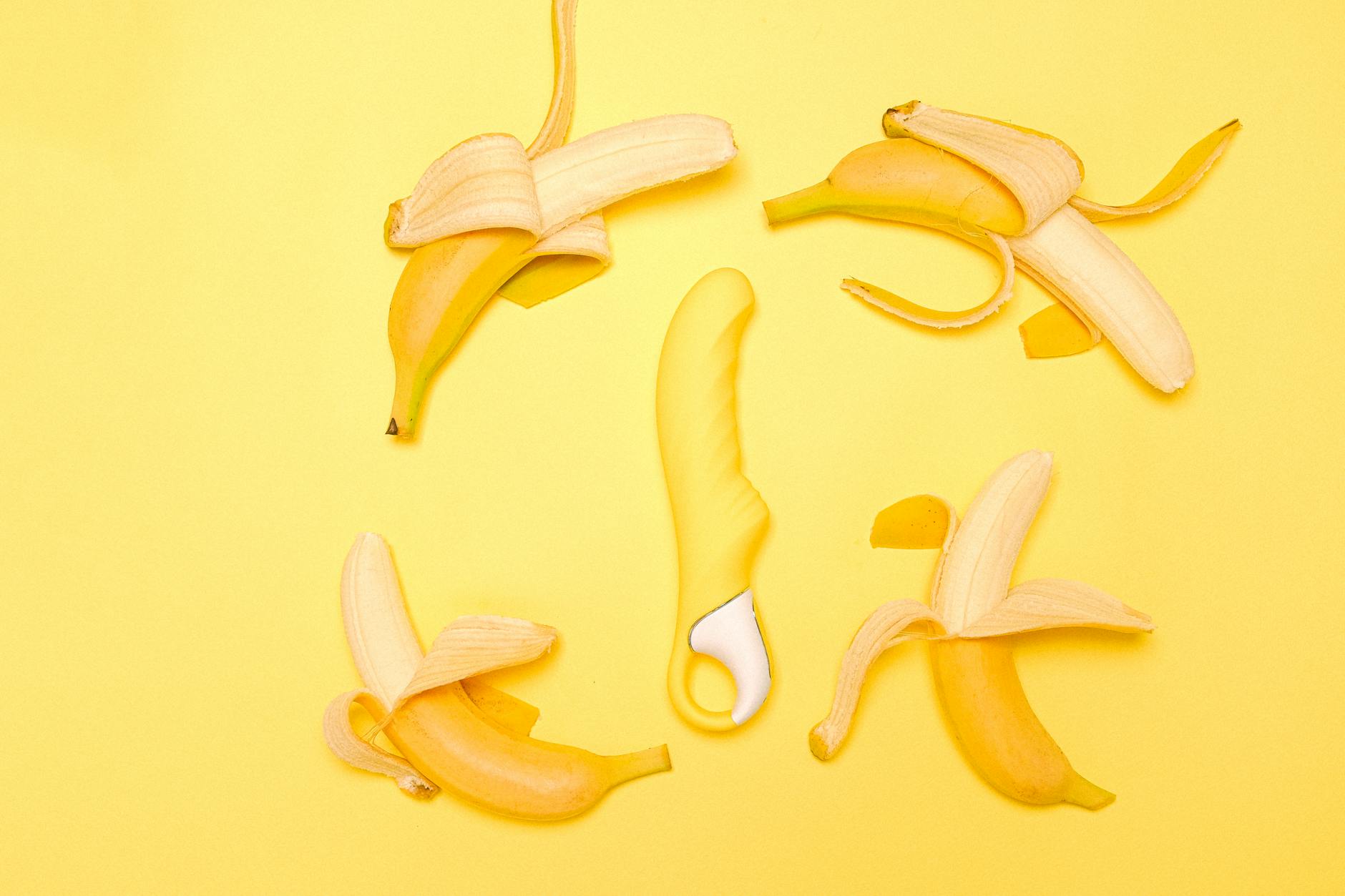
If a vibrator has ever left you irritated, itchy, or sore, you weren't being too sensitive. The toy probably just wasn't made for skin like yours. Most affordable vibrators use materials that are porous, pore-filled, or chemically reactive. Silicone lemon vibrators like the Lem work differently. They're non-porous, hypoallergenic, and engineered specifically to reduce friction and irritation on delicate tissue.
I see this all the time in my practice. Someone tries a cheap vibrator once, has a rough experience, and assumes their body just doesn't tolerate toys. Then they try a lem vibrator and realize the issue was never their skin. It was the product.
What makes materials react with sensitive skin
Your vulva has thinner, more permeable skin than the rest of your body. It doesn't have the same protective barrier layer that your arms or legs do. This means it absorbs things faster and reacts more visibly to irritants.
Here's what goes wrong with low-quality toys.
Porous materials hold bacteria. If a toy is porous (meaning it has tiny holes), bacteria colonize inside those holes. You can't clean them away fully. Each use introduces microorganisms that your sensitive tissue can't ignore.
Plastic and PVC off-gas chemicals. Some toys are made from thermoplastic elastomer (TPE) or PVC. Both can leach phthalates and other chemicals, especially when warm or wet. Your skin absorbs these directly. The result is usually itching, redness, or burning that gets worse the more you use the toy.
Porous rubber traps moisture. Rubber toys are porous too. After cleaning, they stay damp inside. That moisture breeds yeast and bacteria. The toy smells weird after a week, and so does your body.
Medical-grade silicone doesn't do any of this. It's non-porous, inert (meaning it doesn't react with your body chemistry), and it doesn't off-gas anything. Lemon clitoral vibrators use 100% medical-grade silicone because it's the gold standard for sensitive skin.
Why the Lem's design matters for sensitive tissue
Material is half the story. Design is the other half.
Most vibrators use direct vibration. The motor shakes back and forth at high speed, and that vibration transfers straight to your skin. If you have sensitive tissue, this can feel abrasive. It's like taking a vibrating sand-paper to something already tender.
Lemon suction vibrators work on air-pulse technology instead. The Lem, for example, uses gentle suction waves rather than direct vibration. This stimulates your nerves without the same mechanical friction. It's gentler on the surface tissue while still being incredibly effective.
That design choice matters especially if you've had irritation from friction before. The suction approach means less rubbing, less heat buildup, and less micro-trauma to your skin.
Lubrication changes everything
Let me be direct: if you're using a toy without lube and you have sensitive skin, that's where the problem starts.
Water-based lubricant isn't optional. It's part of the system. Lube reduces friction between the toy and your tissue, which cuts irritation by maybe 60 percent alone.
Here's what I recommend:
Use water-based lube with silicone toys, always. Never silicone-based lube with silicone toys (it degrades the silicone). Reapply halfway through if needed. Don't skimp on amount. More lube is better. It should feel slippery and easy, not dry or sticky.
For sensitive skin specifically, look for fragrance-free, dye-free lube with a short ingredient list. Common irritants in lube are glycerin (which can feed yeast), parabens, and synthetic perfumes. The simplest formula is best.
Cleaning matters more than you think
Even if your toy is made from the right material, bacteria can still grow on the surface if you don't clean it properly.
After every use, wash your toy with warm soapy water and dry it completely. This takes literally two minutes. If you're prone to infections or sensitivity, you can also use a toy cleaner designed for this (they're usually isopropyl alcohol-based and kill bacteria faster than soap).
Store your toy in a clean, dry place. A dedicated pouch is smart if you're traveling. Never store it loose in a bathroom drawer where humidity and dust accumulate.
If you notice any discoloration, staining, or smell that doesn't come off with washing, it's time to replace the toy. That usually means bacteria or fungi have colonized the surface, even if it looks clean.
Sensitivity can also be about frequency and intensity
Sometimes irritation isn't about the material. It's about how often you're using the toy and at what intensity.
If you're using a vibrator daily, your skin needs recovery time. Think of it like intense exercise. Your muscles need rest days. So does your vulva.
Start with 2-3 times per week and see how your skin responds. If you're irritation-free after a few weeks, you can adjust up. If irritation appears, dial the frequency back down.
Intensity matters too. Even if your toy is non-porous and you're using lube, starting on the highest setting can still overload sensitive nerve endings. Begin on lower settings. Work your way up only if you want to.
The Lem, for instance, has multiple intensity levels. Most people with sensitive skin find that levels 2-4 are more than enough, and they don't need to go higher.
When sensitivity points to something bigger
If you're experiencing burning, severe itching, or pain during or after toy use, and it persists even with correct cleaning and materials, something else might be going on.
Yeast infections, bacterial vaginosis, vulvodynia, and contact dermatitis can all feel like toy sensitivity but are actually separate issues. If you suspect any of these, see a gynecologist. These conditions are treatable, and treating them makes toy use more comfortable.
Also worth checking: are you allergic to anything else? Some people react to latex, and if that's the case, make sure any toy you buy is latex-free (most silicone toys are, but always verify).
Once you've ruled out an underlying condition, then you can confidently move forward knowing the issue was the product, not your body.
The setup that actually works
Honestly? This is the formula I recommend to anyone with a history of sensitivity:
Medical-grade silicone toy (like a lem vibrator), water-based lube with a clean ingredient list, frequency of 2-3 times per week, starting on lower intensity settings, and thorough washing and drying after each use.
Try that for four weeks. If you're still not irritation-free, see a doctor before assuming it's the toy. But in my experience, that combination fixes the problem about 85 percent of the time.
Your pleasure shouldn't come with a side of pain. The right toy and the right routine make all the difference.
Frequently asked questions
What's the difference between medical-grade silicone and regular silicone?
Medical-grade silicone is purified to remove impurities and additives. It meets strict standards for purity and inertness. Regular silicone can have fillers or plasticizers mixed in to lower the cost. For toys, always buy medical-grade. It costs more but it's worth it for your skin.
Can I be allergic to silicone?
True silicone allergy is extremely rare. What's more common is a reaction to fillers or additives in lower-quality silicone. If you react to a silicone toy, try a different brand that specifically states 100% medical-grade silicone. If the reaction persists, see an allergist. You might have a sensitivity to something else, like the lubricant or a cleaning product.
How often should I replace my lemon clitoral vibrator?
With proper care, a medical-grade silicone toy lasts for years. Replace it if you notice cracks, tears, visible discoloration that won't wash off, or a persistent smell. Most people keep a quality toy for 5-10 years if they take care of it.
Is water-based lube really necessary every time?
For sensitive skin, yes. Even the best silicone toy creates some friction. Lube removes that friction and makes the experience both more comfortable and more pleasurable. It takes five seconds to apply. Do it.
Why do lemon suction vibrators feel gentler than traditional vibrators?
Suction stimulates your nerve endings through air pressure rather than direct mechanical vibration. There's less rubbing, less heat, and less chance of micro-trauma. For sensitive skin, it's a game-changer. The Lem uses this technology to give you intense stimulation without the harshness.
What if I get an infection from a toy?
Infections from toys are rare if you're cleaning properly. If one happens, see a doctor. Don't self-treat with over-the-counter products. Your doctor can identify what kind of infection it is and prescribe the right treatment. Once it's clear, go back to your cleaning routine and monitor closely for a week or two.
The bottom line
Sensitive skin and toy use aren't enemies. You just need the right equipment and the right approach. Medical-grade silicone lemon vibrators are designed for this. The Lem and other quality options take the guesswork out of whether you're putting something safe on your skin.
If you're still nervous after reading this, start with a lower-priced lemon vibrator option to test your body's response. But honestly, investing in something quality now saves you from repeated irritation and wasted money on toys that don't work for you.
Your skin deserves care. Your pleasure deserves it too.