
Here's what nobody tells you about clitoral numbness
You use the same toy the same way you've been using it for years. Suddenly it feels like nothing. Not like discomfort or pain. Just... blank. Like touching your forearm through a winter coat. And here's the thing that makes you panic: you wonder if you broke something permanently.
You didn't. But your nervous system is telling you something, and it's worth listening to.
What actually causes clitoral numbness
Numbing happens through three main pathways, and they look different on paper but feel the same in your body.
Desensitization from repetition. If you use the same vibration pattern at the same intensity every single time, your nerve receptors adapt. They stop firing as enthusiastically because the stimulus becomes predictable. It's the same reason a song you love on repeat starts sounding flat. Your nervous system literally gets bored.
Nerve compression from chronic tension. Stress, anxiety, or pelvic floor tension creates a physical squeeze on the pudendal nerve (the main sensory highway down there). Tight muscles act like a tourniquet. Blood flow drops. Sensation dulls. This is especially common after trauma, prolonged anxiety, or years of holding tension during sex.
Reduced blood flow and tissue health. Medications, hormonal changes, vaping (yes, really), and deconditioning all shrink blood vessel response. Without good circulation, your tissue gets less oxygen. Numb tissue is often under-oxygenated tissue.
Medication side effects. SSRIs, antihistamines, stimulants, and some blood pressure meds all blunt sensation as a known side effect. Your brain gets less signal. That's not weakness. That's pharmacology.
The good news: knowing which one is happening tells you how to fix it.
Why traditional vibrators can actually make numbness worse
Here's the counterintuitive part. When sensation dulls, people typically do this: buy a more powerful vibrator. Crank the intensity. Use it more often.
That backfires.
High-frequency vibration on already-numbed tissue creates a phenomenon called "vibration accommodation." Your nerves stop responding to the stimulus because it's so relentless and predictable. You chase the feeling by turning it up higher, which accelerates the adaptation cycle. Within weeks, you're at maximum intensity and feeling nothing.
It's like yelling louder at someone who's already got their hands over their ears. The problem isn't volume. The problem is they can't hear you.
Lemon vibrators and suction-based clitoral toys work differently. Instead of vibration frequencies (typically 80-10,000 Hz depending on the toy), suction creates rhythmic pressure changes. The sensation pattern is fundamentally different because it engages different nerve fibers. Your sensory system doesn't accommodate as quickly because it's not the same signal repeated endlessly.
How suction wakes up numb sensation
Think of your clitoral nerves like a sleeping muscle. Vibration is static stretching. Suction is a wake-up call.
When you use suction stimulation, here's what happens neurologically. The rhythm of pressure and release triggers mechanoreceptors (pressure-sensing nerves) that vibration alone doesn't fully activate. You're not just vibrating tissue. You're creating a vacuum that pulls blood into the area, increases oxygen delivery, and stimulates nerve endings in a pattern that feels novel to your nervous system.
Novelty matters. Your brain wakes up. You feel something different. Often something more intense than you've felt in years.
The Lem and other lemon clitoral vibrators combine gentle suction with micro-vibrations, which is why people with numbness often report breakthrough sensations within the first few uses. You're not overpowering numb nerves. You're speaking to them in a language they recognize but haven't heard in a while.
The practical steps to restore sensation
Three things work together.
First: change the stimulus pattern. If you've been using the same toy the same way for six months or longer, stop. Switch to something with a different rhythm. Suction toys, variable pulse patterns, or even just a lower setting on your current toy. Your nervous system needs novelty to reawaken.
Second: give it time between sessions. Numbness doesn't reverse in one use. Your nerves need recovery time to reset. I recommend a 2-3 day gap between using any stimulation if numbness is acute. It sounds counterintuitive (shouldn't I practice more?), but your nervous system actually needs the break to recalibrate. When you come back after a few days, sensation often bounces back stronger.
Third: address the underlying cause. If your numbness tracks with stress, you need stress work (therapy, breathwork, pelvic floor PT). If it's medication-related, talk to your prescriber about timing or alternatives. If it's years of tension, pelvic floor work with a specialist changes everything. Tools help. But they work better when the foundation is sound.
When to see a professional
Numbering that appeared suddenly (over days) and doesn't improve in 2-3 weeks needs medical attention. That could signal a nerve issue, hormonal shift, or medication reaction that needs actual diagnosis.
If numbness is tied to a history of trauma, work with a trauma-informed sex therapist alongside any physical interventions. Numbness is sometimes your nervous system protecting you. Pushing through it without addressing the underlying fear won't work long-term.
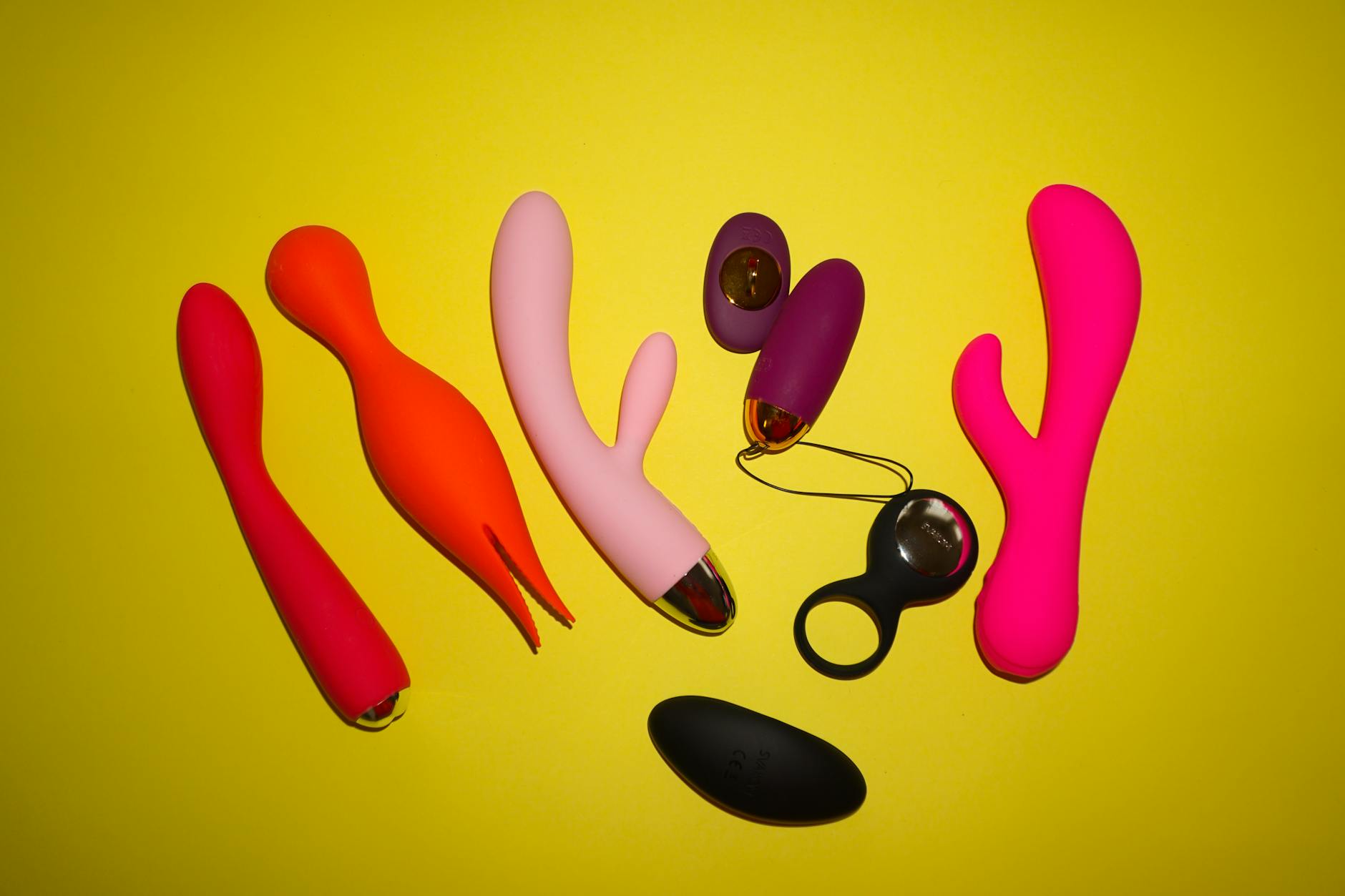
Photo by DRT.fm on Pexels
How to use lemon sexual toys when sensation is compromised
Start low. Your instinct will be to try medium or high intensity to see if you can feel it. Resist that. Set the Lem or another lemon clitoral vibrator to the lowest setting and spend 5-10 minutes at that level before adjusting. You're reintroducing your nervous system to sensation, not testing how much stimulation you can withstand.
Pay attention to patterns. Does sensation return more with the suction setting or the vibration setting? Does it take 3 minutes to warm up or 15? Your body is teaching you. Most people with numbness report that suction patterns feel more distinctive than vibration alone, but everyone's wiring is different.
Use lube even if you don't think you need it. Tissue health matters. Water-based lubricant increases glide, reduces friction irritation, and honestly just makes the experience more comfortable when you're working with already-compromised sensation.
The timeline for recovery
If you're dealing with straightforward desensitization (same toy, same pattern, too many times): 2-4 weeks of changed stimulus and breaks usually brings noticeable improvement.
If it's tension-related: 6-12 weeks of consistent pelvic floor work plus new stimulation patterns typically shows real gains. Sometimes faster. Sometimes longer.
If it's medication-related: medication-induced sexual dysfunction takes longer. You're fighting neurochemistry. Often 8-12 weeks of different stimulation types plus professional support. Sometimes medication adjustment helps speed things up.
If it's hormonal: hormone shifts take time. But lemon vibrators and suction toys often bridge that gap better than other options while your body adjusts.
Why numbness doesn't mean broken
Your capacity for pleasure didn't vanish. Your nervous system just got tired from the same stimulus. It's adaptive. It's also reversible.
People who've worked through this report that their sensation often comes back stronger than before, and more nuanced. They stop chasing intensity and start noticing texture. They feel arousal building more clearly. The blankness transforms into a kind of clarity.
That's not a consolation prize. That's actually the goal.
People also ask
How long does it take for clitoral numbness to go away?
It depends on the cause. Desensitization from repetitive use usually improves in 2-4 weeks when you change your stimulus pattern and take breaks between sessions. Tension-related numbness takes longer, typically 6-12 weeks of pelvic floor work alongside new stimulation. Medication-related numbness can take 8-12 weeks or longer. The key is consistency. One week of different stimulation won't fix months of adaptation. You're retraining your nervous system, and that takes time.
Can a stronger vibrator fix numbness?
No. It usually makes it worse. High-intensity vibration accelerates nerve adaptation, which is why people with numbness often find themselves chasing increasingly higher settings with diminishing returns. Suction-based stimulation works better because it creates a fundamentally different sensation pattern that your nervous system hasn't adapted to yet. That's why lemon clitoral vibrators and other suction toys often breakthrough numbness when traditional vibrators don't.
Is clitoral numbness permanent?
No. It's almost always reversible, but it requires addressing the root cause. If it's stimulus repetition, changing your approach works. If it's tension, pelvic floor physical therapy or somatic work helps. If it's medication-related, sometimes adjusting timing or talking to your prescriber about alternatives helps. The only time numbness becomes more stubborn is when you ignore it and keep pushing the same approach harder.
Can anxiety cause clitoral numbness?
Completely. Anxiety creates sustained pelvic floor tension, which compresses the pudendal nerve and reduces blood flow. Over time, that looks and feels like numbness. If your numbness got worse during high-stress periods or started after trauma, that's anxiety at work. Breathwork, therapy, and pelvic floor relaxation (sometimes harder than strengthening) all help. Often more than any toy.
What's the difference between numbness and just low sensitivity?
Numness feels like nothing at all, like touching your arm through thick fabric. Low sensitivity still registers but quietly. You might feel 20% of what you used to feel. Numbness is closer to 5% or zero. Low sensitivity usually responds faster to intervention because the nerves aren't entirely dormant. For both, switching to a lemon suction vibrator or different stimulus pattern usually helps more than just increasing intensity.
Can certain medications cause clitoral numbness?
Yes. SSRIs, antihistamines, certain blood pressure medications, and stimulants all have sexual side effects including reduced sensation. If your numbness correlates with starting a new medication, that's probably the link. Talk to your prescriber. Sometimes timing the medication differently (taking it after sex instead of before) helps. Sometimes switching to an alternative medication is possible. Don't just accept it as permanent.
Clitoral numbness is one of the least discussed and most isolating experiences in sex and pleasure. It feels like something broke inside you, like you lost something that won't come back.
You didn't. Your nervous system just adapted to the same signal so thoroughly that it stopped responding. That's actually evidence your system is working correctly. It's protecting you from overstimulation.
The path back isn't intensity. It's novelty, patience, and understanding what your body is actually trying to tell you. That's where lemon vibrators and suction-based clitoral toys shift the game. They speak a different language to your nerves. Sometimes all your body needs is someone speaking a language it understands again.
Ready to explore what works for your body? Reach out and let's talk about your specific situation. What you're experiencing is common, and it's absolutely fixable.