Antidepressants save lives. They also sometimes make pleasure harder.
Here's the thing nobody tells you: taking medication that works for your mental health isn't supposed to require trading away your capacity for sensation. But that's exactly what happens for roughly 30-40% of people on SSRIs and SNRIs. Your pleasure doesn't disappear. It gets dampened, delayed, or flattens into something you can barely feel. And if you've been solo exploring, you know how frustrating that feels.
I want to be clear about something first: the numbness is real, it's neurochemical, and it's not in your head (ironically). You're not broken, and you're not alone. What I'm going to walk you through today is why lemon vibrators and suction-based clitoral stimulation work differently on medicated bodies, and what actually helps.
How antidepressants change sensation
Most modern antidepressants work by raising serotonin levels in your brain. That's the mechanism that helps your mood. But serotonin also plays a major role in sexual response: it dampens dopamine signaling in the pathways responsible for pleasure and arousal. In other words, the same chemical action that steadies your mood can muffle the signals that tell your body "this feels amazing."
On top of that, SSRIs and SNRIs often reduce blood flow to the genitals slightly. Less blood flow means less swelling, less engorgement, and less of that natural sensitivity that makes sensation noticeable. Your clitoris is still there. The nerve endings are still firing. But the signal feels quieter, like someone turned down the volume on your entire nervous system.
Tricyclic antidepressants (like amitriptyline) do something slightly different: they can dry out mucous membranes and sometimes cause sexual side effects through dopamine-related pathways. Same outcome, different route.
The weird part: not everyone experiences this equally. Your dose, your baseline sensitivity, how long you've been on the medication, and your individual neurochemistry all matter. Some people report that numbness improves after a few months. Others find it stays stable. Some people try a different SSRI and find the side effect is less severe. But until you find what works, you're left navigating reduced sensation.
Why traditional vibrators fall short
Here's where most people reach for a typical vibrator. Vibration should help, right? More stimulation equals more feeling.
Sometimes. But here's the problem: traditional vibrators rely on direct mechanical stimulation. They buzz against your clitoris repeatedly, and if your neurological sensitivity is already dampened by medication, those vibrations can feel like background noise. You're trying to get louder and louder to compensate, but you're fighting against your brain's chemistry, not just the tool.
Plus, for people on antidepressants who already have reduced blood flow to the genitals, the aggression of constant buzzing can actually make the experience more uncomfortable without necessarily making it more pleasurable. You're not getting the arousal build-up that makes vibration feel integrated into your whole-body experience.
Why lemon vibrators work differently
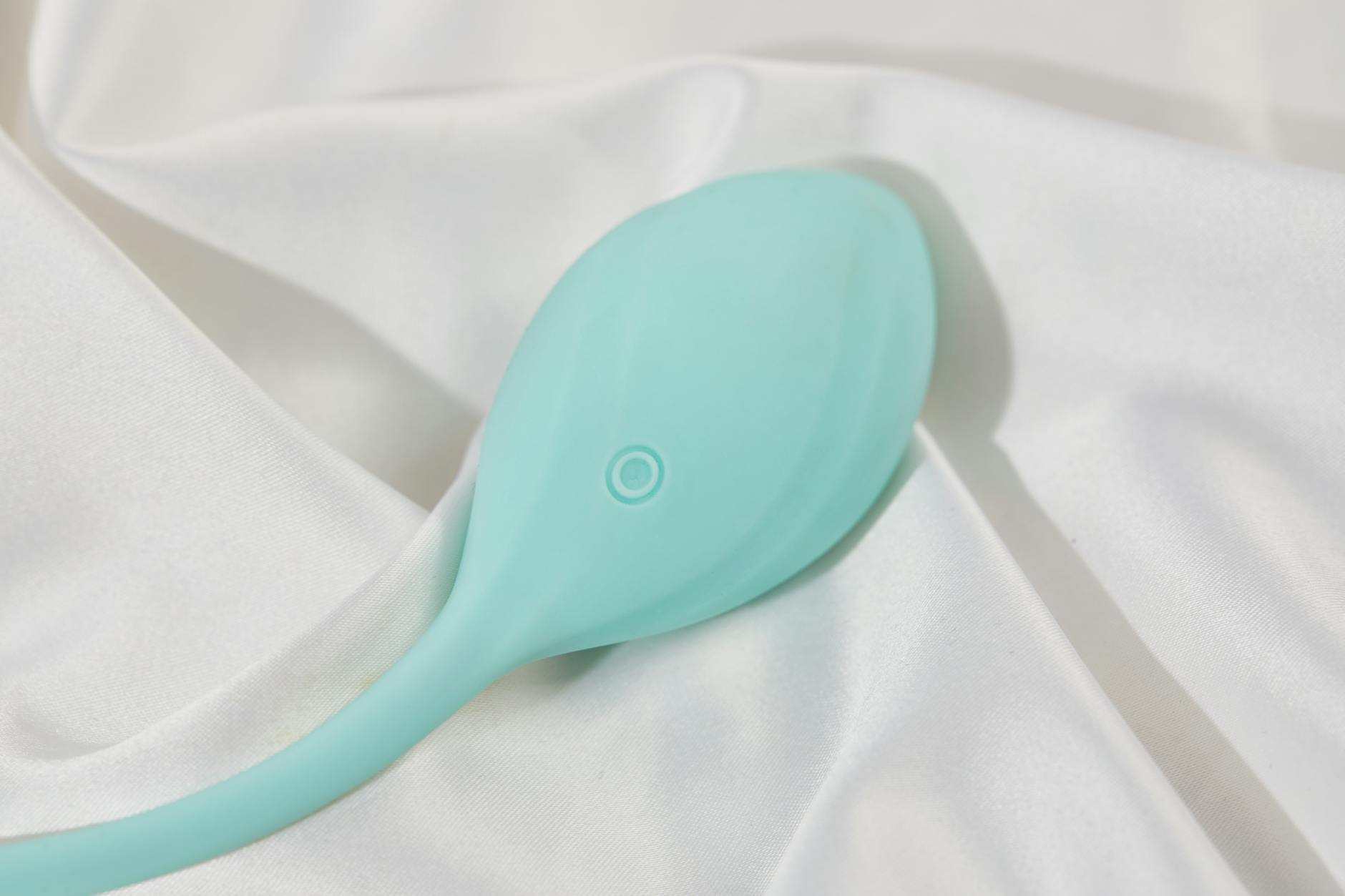
A lemon clitoral vibrator like the Lem operates through suction, not pure vibration. This is a fundamentally different stimulus.
With suction, you're creating a rhythmic vacuum seal around your clitoris. This does multiple things at once: it draws blood into the area, creates a cumulative building sensation, and stimulates a broader set of nerve endings than a traditional vibrator touches. You're not trying to overwhelm a dampened signal with intensity. You're working with your body's actual physiology to create more vascularization and more sensation.
For people on antidepressants, this matters enormously. The suction-based approach builds arousal more gradually because it's helping your body do what the medication is making harder: increase blood flow and sensation. It's not fighting your medication. It's working around it.
The rhythmic nature of suction also engages different neurological pathways than rapid vibration does. You're getting a pattern, a pulsing, something your brain can follow and respond to. For dampened nervous systems, that structured stimulus is often easier to feel and respond to than an undifferentiated buzz.
Starting with lemon clitoral vibrators when sensation is muted
If you're on an antidepressant and want to explore solo play with a lemon suction vibrator, here's what actually helps:
Start low and give it time. Begin at pattern level 1 or 2 on the Lem. Not because you're broken, but because you're building arousal from scratch, and suction works best when you let sensation accumulate. Spend 10-15 minutes at lower settings before you even think about increasing intensity.
Use lubricant, even if you're producing natural lubrication. Antidepressants can reduce vaginal lubrication slightly for some people. Water-based lube creates a better seal for suction anyway, so it's a win. It also helps you feel the sensation more clearly because the seal is complete.
Set realistic expectations about timeline. Your orgasm might take longer. That's not failure. That's normal for medicated bodies. Some people find that the time investment is worth it because the sensation, when it does arrive, is more integrated and full-body. Others find that the wait feels frustrating. Both are valid. You're gathering data about what your body needs right now.
Combine it with mental engagement. Here's something that surprises people: the numbness isn't just physical. Antidepressants can also flatten the mental side of arousal, the imaginative part. If you're using a lemon vibrator but your mind is completely blank, you might not feel much. Try pairing the physical stimulus with focused fantasy, erotic audio, or whatever gets your brain engaged. The combination of physical + mental = more noticeable sensation.
When numbness might mean trying something different
If you've been using a lemon clitoral vibrator for 4-6 weeks at least 2-3 times a week, and sensation still feels completely flatlined, a conversation with your doctor is worth having.
You might be a candidate for dose adjustment, timing adjustment (some people find their sexual side effects are less bad if they time their medication around their solo sessions), or trying a different antidepressant entirely. Bupropion, for instance, is less likely to cause sexual side effects because it works on different neurotransmitters. That doesn't mean you should ask for it (it has its own side effect profile), but it means options exist.
Alternatively, you might benefit from a short-term addition like buspirone or sildenafil, prescribed off-label to counteract sexual side effects. These conversations feel awkward, but they're completely routine for prescribers who've treated people long-term. Your doctor has had this chat hundreds of times.
What you shouldn't do: stop taking your antidepressant to restore sensation. The numbness is a side effect, and while it's real and frustrating, your mental health stability is more important than any sexual experience. Working with your prescriber is the right move.
The longer view
Some people find that after they've been on their medication for 6-12 months, sexual side effects ease. Others notice they stay stable. Neither outcome is permanent. Your body changes, your circumstances change, your medication might change. Sensation isn't a fixed thing you either have or you don't.
What lemon vibrators and suction-based clitoral stimulation offer is a tool that works differently than traditional approaches. They're not a cure for medication-related numbness. But they're specifically designed to address what traditional vibrators can't: building sensation gradually, increasing blood flow, and engaging your nervous system in a way that feels possible when your brain chemistry is being actively modified.
Your pleasure matters, even on medication. It's not selfish to want to feel something. And it's not your failure if sensation feels harder right now. You're working with the body you actually have, not the one you had before antidepressants. That's not compromise. That's intelligence.
FAQ
Can I use lemon clitoral vibrators safely while taking SSRIs?
Absolutely. Lemon vibrators are external devices. They don't interact with medication in your bloodstream. What they do is provide a stimulus that works around the neurochemical side effects of SSRIs by using suction instead of traditional vibration. You're not circumventing your medication's effects on your mood or brain chemistry. You're just using a different physical approach to sensation. The Lem is designed to be body-safe and won't interfere with any antidepressant.
Does switching to a lemon vibrator actually help numbness or is it placebo?
It's partly mechanical and partly psychological, which is different from saying it's placebo. The suction-based approach genuinely does increase blood flow to the clitoral area and engages different nerve pathways than vibration. That's measurable physiology. The psychological part matters too: knowing you're using a tool designed for this specific situation can reduce anxiety, which helps sensation. Both elements combine to create a real effect that people notice.
How long does it take to feel something with a lemon vibrator after starting antidepressants?
It varies wildly. Some people notice a difference within the first few uses. Others need 4-6 weeks of regular exploration with the Lem before sensation starts accumulating and feeling noticeable. Part of this depends on how long you've been on your medication and how severe your numbness is. Patience is the real skill here. You're not looking for an instant orgasm. You're building arousal from wherever you currently are.
Should I tell my doctor I'm using a lemon vibrator if I'm on antidepressants?
You don't have to, but you might want to. If you're also discussing sexual side effects with your prescriber (which you should, because options exist), mentioning that you're using a lemon clitoral vibrator to explore sensation can actually be useful context. It tells your doctor you're taking an active role in addressing the side effect, which gives them better information for considering dose changes or medication switches. Doctors hear about vibrators regularly. It's not awkward to them. But I know it can feel awkward to you. Totally fair.
Can a lemon vibrator help if I also have reduced desire from antidepressants?
Partially. Reduced sensation and reduced desire often overlap on antidepressants, but they're different problems. A lemon suction vibrator can help with the sensation piece, but desire is more about motivation and mental engagement. If your appetite for pleasure has flatlined, the physical tool is less relevant than addressing the desire piece: therapy, relationship stuff, medication adjustment. That said, sometimes building sensation gradually with a lemon vibrator can help rekindle desire because you start feeling something again, which reminds your brain that pleasure exists. It's not a fix, but it can be a start.
Will my body adjust to the lemon vibrator the way it adjusts to other vibrators?
Not in the same way. Traditional vibrators create a potential for habituation because your nerve endings can adapt to the same buzz pattern over time. Suction-based stimulation is different. The pattern is more variable, the sensation is building cumulative pressure rather than rapid repetition, and the neurological pathways are different. That said, if you use the Lem in exactly the same way every single time, your brain might get used to it. The solution is what it always is: vary your patterns, vary your timing, vary what you're doing. The Lem has multiple intensities and patterns specifically so you can keep things fresh.