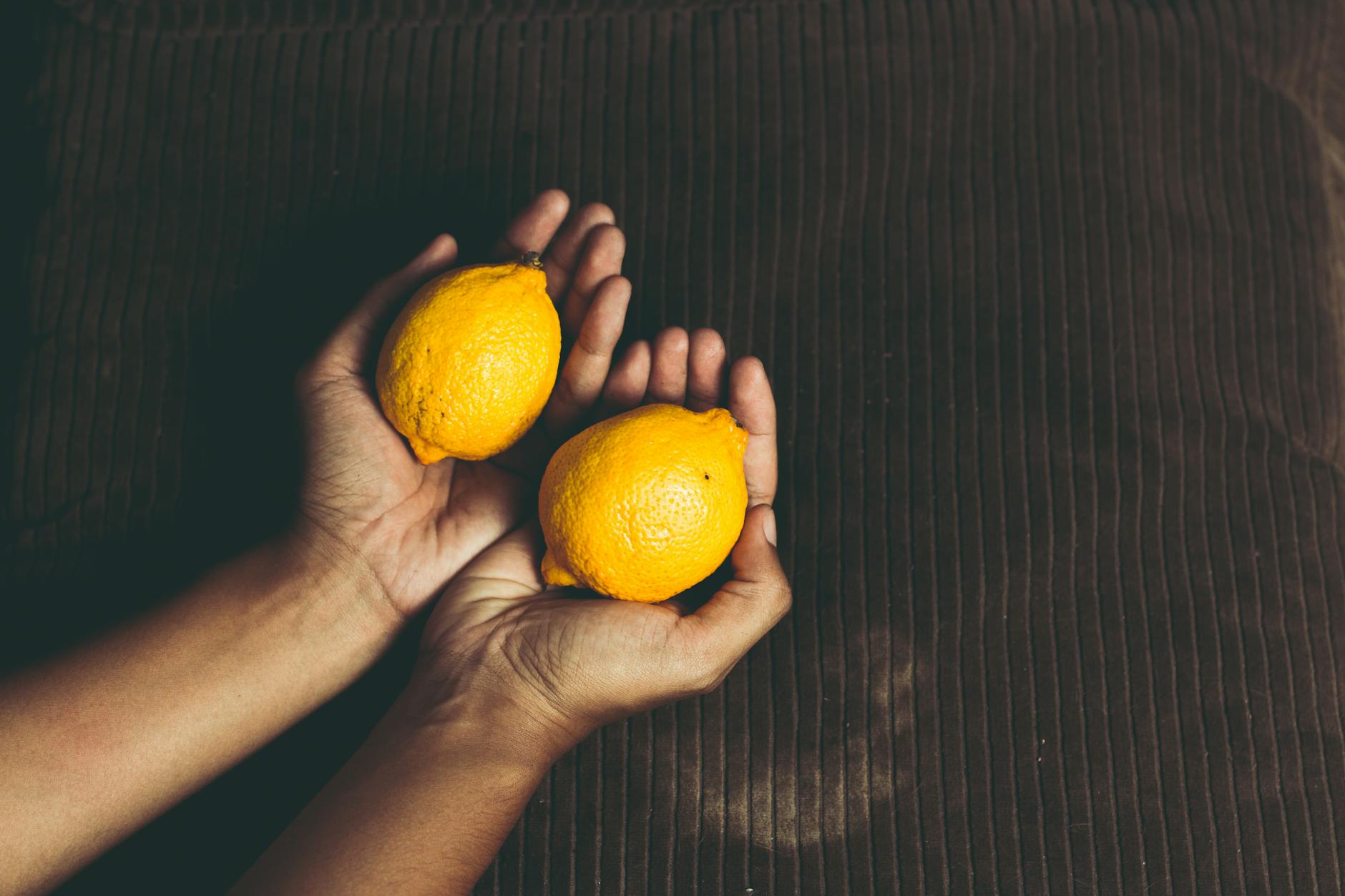
Let's talk about what your tissue actually needs
If you've ever experienced irritation, soreness, or that raw feeling after masturbation, your body isn't broken. It's telling you something useful: traditional vibrators can work against you if your tissues are naturally sensitive, thin, or prone to inflammation. Here's what most people don't realize: intensity and pressure are not the same thing. You can have one without the other.
Lemon vibrators, specifically air-suction clitoral vibrators like Hello Nancy's Lem, deliver profound sensation through a completely different mechanism than standard vibrational toys. Instead of moving back and forth against tissue, they create gentle suction and pulsing pressure that stimulates the thousands of nerve endings in your vulva without the mechanical friction that can leave you sore.
How air-suction changes everything
Your clitoris is mostly internal. The external glans you see is actually just the tip, surrounded by thousands of sensory nerve endings packed into a small area. Traditional vibrators work by oscillating (moving rapidly side to side or up and down) against this tissue. That oscillation feels good initially, but repeated friction can irritate delicate skin, especially if you're dealing with dryness, post-menopausal tissue changes, or vulvovaginal conditions like lichen sclerosus or vaginismus.
Lemon vibrators work differently. They use gentle air-pulse technology that creates rhythmic suction and release patterns. Think of it like this: a standard vibrator is friction-based (the toy moves, your tissue absorbs the movement). A lemon sucker is sensation-based (the toy creates pressure waves that travel through tissue without requiring friction to register).
This matters because your nervous system responds to pressure and suction just as intensely as it responds to vibration, but without the wear. Women who've used traditional vibrators for years often report that switching to air-suction technology feels like discovering pleasure all over again. The sensation is often sharper, more focused, and doesn't leave that tired, raw feeling afterward.
The tissue sensitivity spectrum
Not all sensitivity is the same, and knowing where you fall helps you choose the right tool.
Mild sensitivity: You can use traditional vibrators without pain, but you notice irritation after 15+ minutes, or you prefer external-only stimulation because internal vibration feels too intense. Lemon vibrators at lower settings can extend your pleasure time without fatigue.
Moderate sensitivity: Direct vibration causes visible irritation (redness, soreness) within minutes. You might have vulvovaginal atrophy (post-menopausal tissue thinning), healing from childbirth, or conditions like vestibulodynia. For you, air-suction isn't just nicer. It's often the only option that doesn't cause pain. The suction distributes pressure across a wider area, reducing localized irritation.
High sensitivity: You experience pain with most toys, or you're managing a diagnosis like lichen sclerosus, dermatitis, or severe vaginismus. Even gentle vibration triggers a pain response. Here, lemon vibrators on the lowest settings can work because the stimulation is so different that it sometimes bypasses the pain response entirely. That said, talk to a pelvic floor physical therapist or sexual health specialist before trying any toy.
The brilliant part: Hello Nancy's Lem has multiple intensity levels. Start at pattern one (barely-there pulsing) and work up. Most people with sensitivity find their sweet spot at level two or three, which would be painful on a traditional vibrator but feels incredible on an air-suction toy.
Why friction damage happens and how to avoid it
Your vulvar skin is thinner than the skin on your arm. The outermost layer (epidermis) is only about 0.1 millimeters thick on sensitive areas. Repeated friction, even low-friction vibration, can cause micro-abrasions. These tiny tears don't hurt immediately. You notice them the next day as rawness, slight burning, or itching that lasts hours.
This is why traditional vibrators sometimes feel amazing in the moment but leave you uncomfortable afterward. The pleasure neurologically overrides the tissue damage signal while it's happening. By the time you feel it, the irritation is already there.
Air-suction devices sidestep this entirely. Because there's no oscillation, there's no friction to create micro-abrasions. The tissue experiences stimulation without mechanical stress. It's the difference between rubbing your arm raw and pressing firmly but statically. One damages tissue, one doesn't.
Prevention strategies even with lemon vibrators:
Use lubrication. Even with air-suction toys, a water-based lubricant creates a protective barrier and amplifies sensation. Apply it directly to the toy and your vulva.
Start low and work up. Pattern one on the Lem might feel underwhelming, but it's teaching your body to respond to a new type of stimulation. After three or four sessions, your nervous system adapts, and you'll be able to handle higher intensities without discomfort.
Take breaks between sessions. Give your tissues 24 hours to fully reset. Daily use, even with gentle toys, accumulates minor stress.
Watch for signs of irritation. Slight warmth is normal. Redness, tenderness that lasts beyond an hour after use, or any pain signal means step back to lower intensity or take a break.
Comparing lemon vibrators to other gentle options
Not everyone needs air-suction technology, but if you've struggled with sensitivity, understanding your alternatives helps.
Low-vibration traditional vibrators (like wand massagers on the lowest setting) are better than high-intensity ones, but they still rely on friction. They work for some people with mild sensitivity.
Rolling-ball vibrators distribute stimulation across a wider area, reducing pressure concentration. They're gentler than bullet vibrators but still friction-based.
Air-suction (lemon vibrators, lemon suctors, clitoral suckers) eliminate friction entirely. They're the gold standard for sensitive tissues because the mechanism itself is fundamentally non-invasive.
Internal vs. external: If internal penetration with vibration bothers you, air-suction toys designed for external use only (like the Lem) are ideal. They focus sensation where it matters most for most people, anyway. The clitoris has more sensory nerve endings than the vagina. Working externally often means more intense pleasure with less tissue stress.
The pleasure bonus you probably didn't expect
Here's something that surprises a lot of people: because lemon clitoral vibrators don't cause tissue fatigue, you can often reach orgasm faster and experience more intense sensations. Your nervous system isn't spending energy managing friction irritation. It can focus entirely on pleasure.
Many women report that orgasms from air-suction devices feel different. Sharper, more focused, sometimes deeper. This isn't placebo. The stimulation pattern activates nerve endings in a specific way that traditional vibration doesn't match. Some describe it as "precision pleasure." You get sensation intensity without the ache that sometimes follows traditional toys.
If you've been avoiding masturbation because toys leave you sore, switching to a lemon vibrator can feel like permission to explore pleasure without penalty. That matters. Your pleasure is worth protecting.
When to see a specialist
If sensitivity appeared suddenly, or if it's accompanied by pain, discharge, or itching that doesn't resolve within a few hours of toy use, you might be dealing with an underlying condition. A gynecologist or sexual health specialist can check for vulvovaginal atrophy, infections, dermatological conditions, or pelvic floor dysfunction.
Some conditions (like lichen sclerosus or severe vaginismus) benefit from specialist treatment before toys are introduced. Others (like post-menopausal tissue thinning) improve dramatically with topical hormones or can be managed beautifully with air-suction toys specifically because they avoid friction.
The point: sensitivity isn't something you have to just tolerate. The right tool, combined with professional guidance if needed, can transform your experience.
FAQ: Lemon Vibrators and Sensitive Tissues
Are lemon vibrators safe for people with vulvovaginal atrophy?
Yes. In fact, they're often safer than traditional vibrators because they don't require the tissue thickness that oscillating toys do. Atrophied (thinned) tissue benefits from the non-friction stimulation pattern. Start at the lowest intensity, use water-based lubricant, and build up as your comfort allows. Many women with post-menopausal atrophy find that air-suction clitoral vibrators are the first toys that don't cause irritation.
Can I use a lemon sucker if I have vaginismus?
Vaginismus makes penetration painful because the pelvic floor muscles involuntarily contract. External air-suction toys avoid penetration entirely, so they bypass the trigger. However, even external stimulation can be overwhelming for some people with vaginismus. Work with a pelvic floor physical therapist who can assess your specific situation. They might recommend graded exposure starting with non-vibrating touch before introducing any toy.
How long does it take to feel a difference after switching from traditional vibrators?
Most people notice reduced irritation after the first use if they've been experiencing soreness. Pleasure intensity adapts over three to five sessions as your nervous system learns to respond to the new stimulation pattern. The Lem works at multiple intensity levels specifically so you can start gentle and escalate as your tissue and nervous system adapt.
Will a lemon clitoral vibrator feel less intense than my old vibrator?
No. It feels different, not less. Because there's no friction fatigue, sensation often registers as sharper and more precise. Intensity scales with pattern level, just like traditional vibrators. Many people find they can handle the highest settings on an air-suction device without the soreness that came with traditional toys at moderate intensity.
Do I still need lubricant with a lemon vibrator?
Yes, though less is required than with traditional toys. Lubricant amplifies sensation and provides a protective barrier. Even with air-suction toys, a small amount of water-based lube (inside the toy opening and on your vulva) improves comfort and sensation. It's especially important if you have any dryness.
Can sensitivity improve over time, or is it permanent?
It depends on the cause. Post-menopausal atrophy sometimes improves with topical hormone therapy or continued stimulation (which increases blood flow). Healing from childbirth usually improves within weeks to months with rest and gradual return to activity. Chronic conditions like lichen sclerosus require specialist care but can often be managed well. Many women also find that switching tools and adjusting technique makes "sensitivity" feel like a non-issue. Your pleasure isn't locked into one response. It adapts.
The bottom line
Sensitive tissue doesn't mean you're broken or that pleasure has expiration dates. It means you need the right tool. Lemon vibrators, specifically air-suction clitoral vibrators, deliver sensation through a mechanism that protects delicate tissue while maximizing pleasure. If traditional vibrators have left you sore, frustrated, or avoiding solo play altogether, a lemon vibrator might be the permission your body has been waiting for.
Your pleasure matters. Protecting your tissue while experiencing it matters too. That's not a compromise. That's sophistication.
If you want to explore further, Hello Nancy's complete guide to lemon vibrators breaks down everything from materials to maintenance. Or if you have questions about what might work best for your specific situation, reach out and we'll point you toward the right resource.