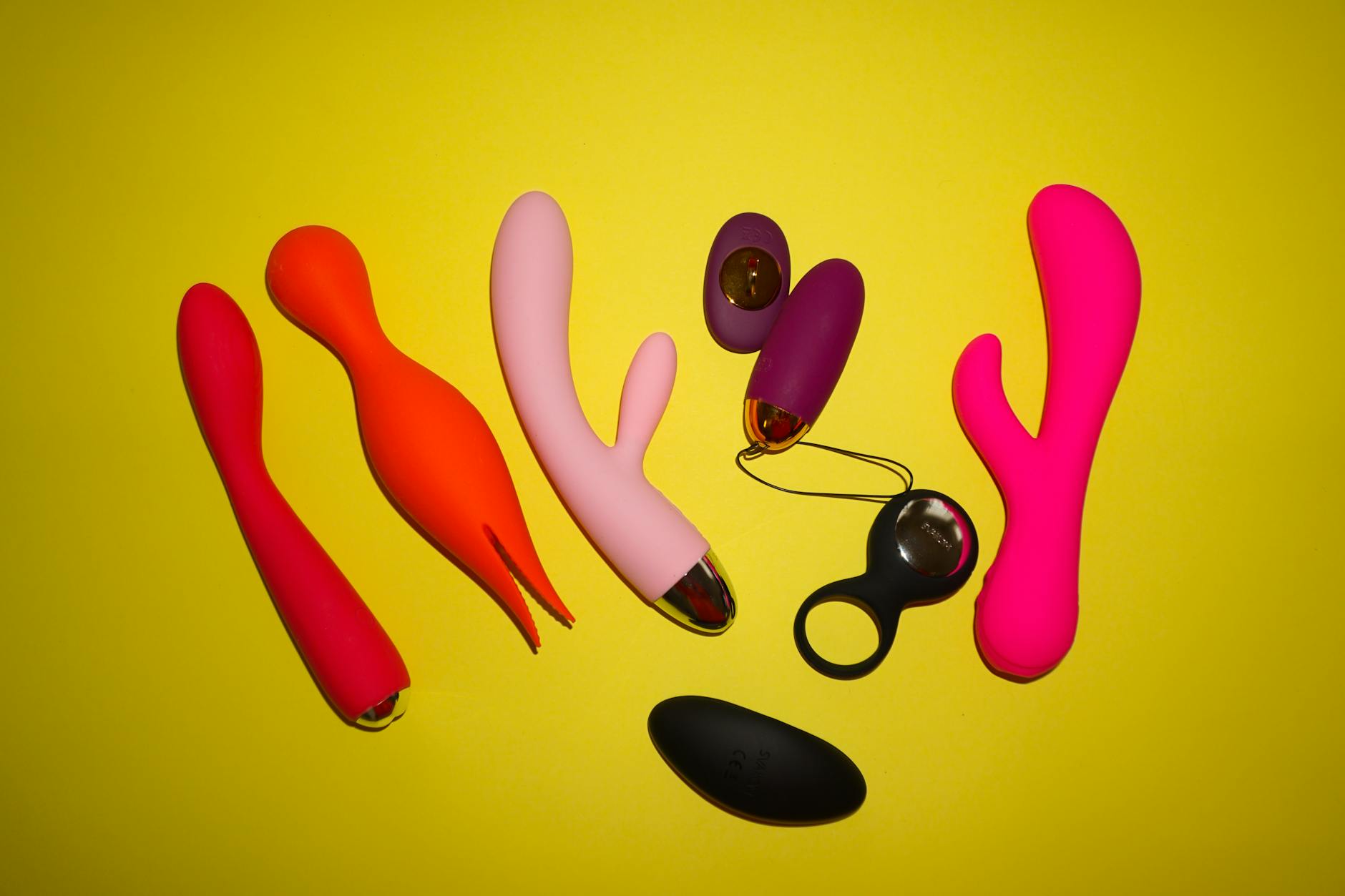
Let's talk about intensity settings
Here's the thing: most people approach a new lemon clitoral vibrator the same way they approach the shower. They blast it to full power and hope for the best. Then they either love it instantly or decide suction isn't for them. Neither of those is usually true.
Intensity on a lemon vibrator isn't just about volume. It's about how the suction pulse feels against your tissues, how quickly your nerves fire, and what your nervous system actually wants today. The right setting isn't universal. It's personal, and it changes.
Why intensity matters more than you think
A lemon vibrator works through gentle suction pulses, not the direct friction of traditional vibrators. This means intensity affects not just how strong the sensation is, but the entire texture of the experience. Low settings feel like a soft, rhythmic pull. Medium settings create a more insistent stimulation pattern. High settings can feel almost pressurized.
The mistake most people make is assuming that higher intensity equals better orgasms. That's like turning up the volume on a song to make it sound better. Sometimes it works. Often it just blurs things.
What actually matters is matching the intensity to your body's current state. Your tissues respond differently depending on arousal level, where you are in your cycle, stress, hydration, and honestly, the time of day. A setting that feels perfect on a Friday evening might feel too much on a rushed Tuesday morning.
That's not a problem. That's information.
Start lower than you think you need
I know this sounds obvious, but most people skip this step. When you first use a lemon clitoral vibrator, start at pattern one or the lowest suction setting available. Spend two to three minutes there. Notice what you feel.
Does it feel pleasant? Does it build arousal? Or does it feel like nothing at all?
If it feels good but mild, stay there for another minute or two. Don't rush to turn it up. Your body is adjusting to the sensation, and your nervous system is waking up. Jumping to higher settings too quickly means you miss the subtle stages of arousal that actually matter.
If it genuinely feels like nothing, then yes, move up. But "nothing" usually means "I expected fireworks and got a soft hum." Different doesn't mean broken.
The intensity staircase approach
Once you've spent a few minutes at the lowest setting, increase by one level. Wait another two to three minutes before moving higher. This isn't about patience as a virtue. It's about giving your body time to recognize the stimulus and respond to it.
As you climb the intensity ladder, notice what changes. Does the sensation start to feel more focused? Does it become easier to build arousal? At what point does it start to feel too intense?
That last question is where most people get confused. Too intense doesn't mean bad. It means your tissues are getting overstimulated, or your nerves are firing faster than your brain can process. This feels like numbness, soreness, or a kind of flatness where you're pushing but not actually feeling anything.
Back off one setting. That's probably your sweet spot for today.
Why your right setting shifts
Here's what's wild: the intensity level that made you come in a minute last week might feel underwhelming this week. This isn't because something's wrong. It's because your body is constantly changing.
If you've been using the same lemon vibrator regularly at the same intensity, your nerve endings adapt. You need slightly more to feel the same sensation. This is completely normal desensitization. It doesn't mean you've broken yourself. It means it's time to either take a break for a few days, or bump up one setting.
Hormone shifts also matter. In the follicular phase of your cycle, many people find higher intensities feel better. After ovulation, a gentler touch can be more satisfying. Stress, hydration, and even what you ate that day affect sensitivity.
The best approach is to stay curious rather than locked into one setting. Check in with your body. If something that felt perfect last month feels harsh now, drop back. Your pleasure isn't a fixed number.
Pain is different from intensity
I want to be really clear here: intensity should never hurt. A lemon vibrator shouldn't create soreness, stinging, or that raw feeling that lingers after you're done.
If your clitoral vibrator hurts, you're doing one of three things. You're too high in intensity. You're going too long without lubrication. Or you're not actually aroused enough yet. Each one has a different fix.
If the intensity is too high, drop down. If lubrication is the issue, add more. Water-based lube is your friend. If you're not aroused enough, stop and come back when you are. Arousal genuinely changes how tissue responds to stimulation.
If you've adjusted intensity, added lube, and given yourself real arousal time and it still hurts, check out our guide on lemon vibrators and pain. Pain with a lemon clitoral vibrator is fixable, but it's worth investigating properly.
The pattern versus intensity game
Most lemon vibrators have both intensity levels and pulse patterns. You can get overwhelmed trying to customize both at once. Here's my suggestion: pick one intensity level that feels genuinely comfortable, then explore patterns at that level.
Patterns change the rhythm but not necessarily the pressure. You might find that a lower intensity with a particular pattern actually feels stronger than a higher intensity with a different pattern. That's the fun part. You get to experiment.
Start with the steady pulse pattern. Once you know your comfortable intensity there, try the others. You'll quickly figure out which patterns work for your body.
When arousal changes the math
One of the most useful things I've learned from clients is that the same lemon vibrator feels completely different depending on how aroused you are when you start.
When you're highly aroused, even moderate intensity can feel intense. Your tissues are engorged, your nerve endings are more sensitive, and your brain is primed to respond. A setting that felt medium yesterday might feel powerful today because your body is already halfway there.
When arousal is building slowly, you might need higher intensity earlier. This isn't wrong. It's your body's honest feedback about what it needs right now.
Try this: next time you use your lemon clitoral vibrator, notice whether you started already aroused or if you used the vibrator to build arousal. Then notice what intensity felt right. You'll start to see patterns in what actually works for you.
The two-session rule
Sometimes the intensity that felt incredible in the moment feels too much the next day. Or you wake up and realize you were gentler yesterday and it worked better.
Honestly, sometimes you just have an off day. That's fine. But if a particular intensity consistently feels off after the fact, it's worth adjusting. Your body is smart. If it's telling you something's not quite right, listen.
Give yourself at least two to three sessions with a new intensity level before deciding it's your permanent setting. Your nervous system needs time to adjust.
FAQ
What if the lowest intensity setting still feels too strong?
You might need more arousal time first. Spend 10 to 15 minutes on other types of stimulation before you even turn on your lemon vibrator. Your tissues need to be engaged and responsive. If the lowest setting still feels intense after real arousal, that's actually fine. Some people naturally have very sensitive clitoral tissue. Lower intensity can still produce incredible orgasms.
Can you damage your sensitivity by using high intensity?
Not from the lemon vibrator itself. The suction mechanism works differently than friction-based toys, so there's less risk of tissue damage. That said, using intensity that causes soreness or numbness isn't helping you. If you're regularly pushing into uncomfortable territory, dial it back. You'll actually have better sensation and more pleasure at a sustainable level.
How do I know if I need more lubrication versus higher intensity?
Try this: turn off the vibrator and use just your finger or lube alone for a moment. Does the clitoral area feel slick and comfortable? If it feels dry or your skin is pulling, you need more lube, not more intensity. Reapply and try again. If it feels good but the suction sensation itself feels weak, then intensity might be the answer.
Why do some patterns feel more intense than others at the same intensity level?
Because your brain perceives rhythm and stimulation differently. A fast pulse pattern can feel more intense than a slow one even at the same suction strength. This is actually useful. You can get a lot of variation from one intensity level just by changing patterns. Experiment with this before assuming you need to crank up the power.
Is it normal to need higher intensity after using a lemon vibrator regularly?
Yes, this is completely normal desensitization. Your nerve endings adapt to consistent stimulation. You have a few options: take breaks between sessions to reset sensitivity, gradually increase intensity, or rotate between different patterns at your base intensity. All three work.
What's the difference between numbness and just not feeling much?
Numbness feels like your clitoral tissue is there but not responding. It's uncomfortable and usually happens after extended sessions at high intensity. Not feeling much is usually just that the intensity is too low for what you need right now. One is a sign to stop. The other is a sign to adjust the dial.
The real secret is listening to your body
Intensity settings aren't about following rules. They're about learning what your body actually wants. The same lemon vibrator can be perfect for someone else's lowest setting and boring for you at that same level. That's not a comparison. That's just biology.
Your clitoral vibrator is a tool. The right setting is the one that makes you feel good, builds arousal naturally, and leaves you satisfied without soreness or numbness after. That might be level three. It might be level one. It might change week to week.
Spend time experimenting. Notice what works. Adjust when things shift. Your pleasure matters, and finding your rhythm is part of actually enjoying the experience.
If you're new to lemon vibrators entirely, check out why they feel better than traditional vibrators for beginners or how to use a lemon clitoral vibrator for the first time. And if you're thinking about which model to try, our buying guide walks you through the options.
Your body knows what it needs. Your job is just to listen.