
How to Reconnect With Pleasure After Grief Using a Lemon Vibrator
Grief doesn't just hurt emotionally. It shuts down your body. Desire vanishes, sensation dulls, and the idea of pleasure feels either irrelevant or somehow wrong. I've watched countless people navigate this disconnect between knowing that intimacy and physical pleasure are part of healing and actually being able to access them when grief has wrapped around everything.
Here's what actually happens physiologically when you grieve: cortisol and stress hormones flood your system, blood flow redirects away from your extremities and genitals, and your nervous system camps out in fight-flight-freeze mode. Your body is protecting you. It's not broken. And it's not permanent either.
Grief blocks arousal at every level
When you're grieving, pleasure doesn't just feel inappropriate. It feels impossible. Your brain is running a survival program. The cognitive load is enormous, which means there's almost nothing left for arousal. Even if you want to feel close to yourself or a partner, your nervous system won't cooperate.
This is why traditional vibrators often feel useless during grief. They demand a certain amount of baseline arousal to work well. If you're starting from zero, a standard vibrator can feel aggressive, jarring, or just alienating. It's one more thing your body isn't doing right.
A lemon vibrator works differently. The suction mechanism doesn't require arousal to feel good. It creates a sensation that gently pulls your nervous system out of freeze mode without demanding anything from you first.
Why lemon vibrators help when nothing else does
The beauty of a lemon clitoral vibrator during grief is that it asks nothing of you except to be present for maybe five minutes. You don't need to be aroused. You don't need to perform anything. You just lie there while the toy creates a gentle, rhythmic stimulus that your body recognizes as safe and then responds to.
Most of my clients going through loss find that patterns 1 and 2 on the lemon vibrator feel comforting rather than intense. There's a difference between intensity and effectiveness. Suction stimulation is incredibly effective at waking up sensation without being jarring or demanding. For someone whose nervous system is already overwhelmed, that distinction is everything.
Start with just five minutes. Not because that's some prescribed amount, but because your nervous system can only metabolize so much novelty when it's already processing loss. Five minutes of gentle sensation is enough to signal safety. Repetition over time rewires the neural pathways that grief has dampened.
The permission part matters as much as the tool
Here's what clients rarely say out loud but absolutely mean: "I feel guilty for wanting pleasure while grieving." The cultural narrative says grief should be total and consuming. Pleasure while grieving reads as disrespect, especially if the loss is recent.
That's understandable. It's also untrue. Pleasure is a radical act of self-care during grief. It's your body saying "I'm still here, I'm still alive, and that matters." Grief doesn't have an expiration date, and neither does your right to feel good.
If you have a partner, this conversation matters. Let them know you're not trying to reconnect sexually yet. You're trying to reconnect with your own body. There's no performance expectation, no reciprocity required, nothing owed. You're just exploring sensation again at your own pace.
Practical steps to rebuild sensation
Start solo, even if you have a partner. Grief is isolating, and rebuilding pleasure works best when there's no external pressure. Set aside 15 minutes. You won't use all of it, but the buffer takes pressure off.
Start with lemon vibrator patterns 1 or 2. Your clitoris will be less sensitive when you're grieving, which actually means a lighter touch often feels better than heavier stimulation. If nothing happens the first few times, that's normal. You're waking up nerve endings that have been offline.
Don't aim for orgasm. Genuinely. That's the fastest way to shut yourself down. Aim for sensation. Notice what patterns feel okay, what rhythm doesn't jar you, whether your breath deepens. Orgasm sometimes follows naturally after a few sessions. Sometimes it takes weeks. Both are fine.
When to involve a partner
If you have a partner, the next step after you feel okay alone is explaining what you're doing and why. Frame it as nervous system recovery, not sexual revival. Because right now, that's what it is. You're not saying you're ready for sex. You're saying you're rebuilding your capacity to feel.
Many partners feel relieved and less helpless when they understand this. They want to help, and knowing that your solo exploration is part of healing gives them a role.
When you do bring them in, keep it small. Maybe they're just present while you use the lemon clitoral vibrator. No sex, no pressure, just witnessing. Some couples find that gentle touch from a partner while you use the vibrator creates a bridging moment between solo pleasure and shared intimacy.
Don't rush this phase. Grief moves slowly, and so should your return to physical intimacy.
Pleasure as a sign of healing
One of the clearest indicators that you're moving through grief is when pleasure starts feeling appropriate again. Not frivolous, not guilty, but natural. That moment when using your lemon vibrator goes from feeling like an act of defiance to feeling like an act of love toward yourself.
That's the signal that your nervous system is rewiring. Your body is saying the survival program isn't running 24/7 anymore. There's space for sensation again, which means there's space for joy, eventually.
Grief doesn't disappear when desire returns. They coexist. You can miss someone deeply and also feel good in your body. You can mourn and also celebrate being alive. These are not contradictions.
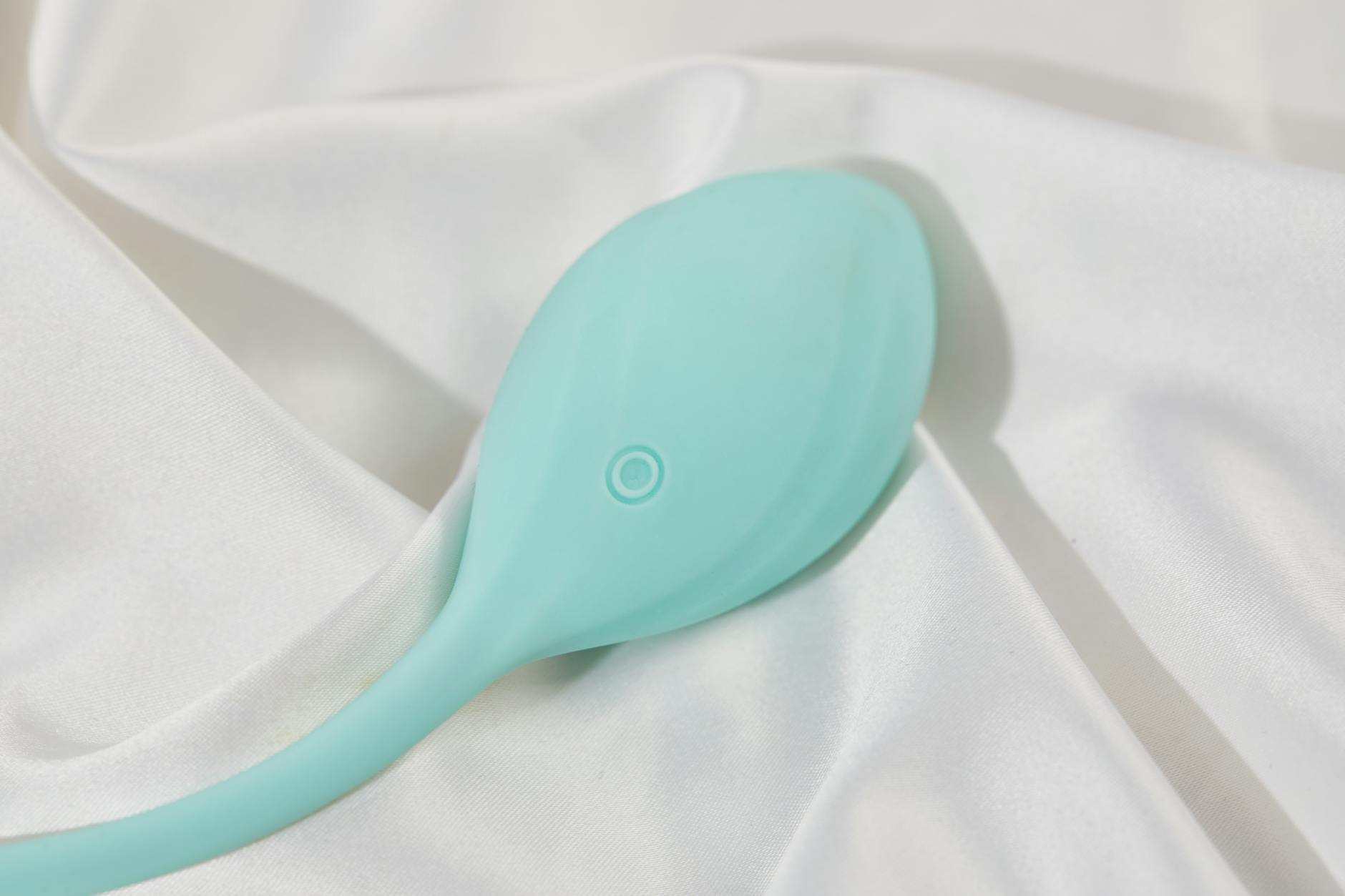 Photo by IFONNX Toys on Pexels
The timeline is yours, not anyone else's
If you've just lost someone, you might not be ready for this conversation at all, and that's completely fine. There's no rush. But if you're weeks or months in and you're wondering if pleasure will ever feel possible again, the answer is yes. It will. And a lemon vibrator, with its gentle, non-demanding approach to sensation, is often the easiest way back.
Start small. Give yourself permission to explore sensation without shame. Your body's job right now is to help you survive, and pleasure is part of survival. When you're ready to reconnect with desire, your nervous system will cooperate if you give it the right tool and the right timeframe.
You deserve to feel good again. Even while you're grieving.
People also ask
How soon after a loss can I start using a lemon vibrator again?
There's no universal timeline. Some people need months, others just weeks. The question isn't "How long should I wait?" but "Does my body feel safe enough to explore sensation?" If you're still in acute grief, your nervous system probably isn't ready. Wait until you can spend 10 minutes thinking about something other than the loss. That's the signal.
Will using a lemon clitoral vibrator feel disrespectful to the person I lost?
No. Pleasure doesn't diminish grief. It doesn't mean you didn't love them or that you're moving on too fast. It means you're honoring the fact that you're still alive. That's not disrespectful to the dead. It's honest about the living.
Can my partner help me reconnect with pleasure if they're grieving too?
Yes, but carefully. If you're both processing the same loss, solo exploration first is usually better. You need space to figure out your own nervous system without managing theirs. Once you've both rebuilt some capacity individually, shared intimacy can be a healing experience. But don't use it as a bandage over unprocessed grief.
What if I use a lemon vibrator and still feel nothing?
Sensation takes time to return. Grief is numbing, and numbness doesn't reverse after one session. Try for 5 minutes every few days for a couple of weeks before deciding it's not working. Your body is slowly learning that it's safe to feel again. That's a process, not a switch.
Is it normal to cry while reconnecting with pleasure?
Completely normal. Grief, release, and pleasure sometimes show up in the same moment. Your body is processing a lot. If you cry while using your lemon vibrator, that's not a sign something's wrong. That's often a sign something is actually healing.
How does a lemon vibrator differ from other toys when you're grieving?
Tradditional vibrators require some baseline arousal to feel good. Suction-based lemon clitoral vibrators feel good from the start because they're creating sensation rather than demanding it. For a nervous system that's in grief freeze mode, that difference is significant. You get feedback from your body immediately, which helps rebuild the mind-body connection that loss disrupts.
Resources for grieving and reconnection
If you're navigating grief and want to understand more about how loss affects your nervous system, the work of Bessel van der Kolk on trauma and the body is foundational. For relationship dynamics during grief, Harriet Lerner's "Why Won't You Apologize?" and Esther Perel's "Mating in Captivity" both address the intersection of loss and intimacy beautifully.
For partnered exploration, my article on how to use a lemon vibrator with a partner without making it weird walks through the conversation part of the process.
If you're grieving and struggling with desire, exploring how lemon vibrators help when you have low libido might also help frame what you're experiencing.
Grief is not a barrier to pleasure. It's a detour. A lemon vibrator is a gentle way to find your way back. If you have questions about how to use one or which tool might feel right for your body, reach out. That's what we're here for.