Let's name what actually happens when distance ends
You see each other again. You're excited. And then something feels off. Not broken, not rejected, just... stalled. The nervous system needs time to re-calibrate. Your body has gotten used to absence, and reactivating physical intimacy isn't just about desire. It's about rebuilding neural pathways that dormancy disrupts.
This is why reconnection after time apart often feels awkward in ways that early-dating awkwardness doesn't. You have history, you know each other's body, and somehow that makes the silence louder.
Why physical reconnection after distance is actually harder than starting fresh
Here's the paradox: when you've had physical intimacy before, the absence creates a specific kind of friction. You both remember what it was like. You both carry expectations about what it should feel like again. And when your body doesn't respond exactly as it used to, the default is to assume something's wrong. Usually, it's just that the body needs permission to re-engage.
Two specific neurological things happen after extended time apart. First, the anticipatory nervous system (the part that builds arousal) doesn't fire as automatically as it used to. You need longer warm-up, more deliberate touch, less assumption. Second, the body can feel unfamiliar even though it isn't. Physical confidence takes time to rebuild, and confidence is half of what makes sex feel good.
Why Lemon Clitoral Vibrators Work Better After Hormonal Shifts addresses similar neural recalibration, but the difference here is that it's not hormonal. It's muscular memory and the reactivation of desire patterns that dormancy has softened.
Why lemon sucker technology works particularly well here
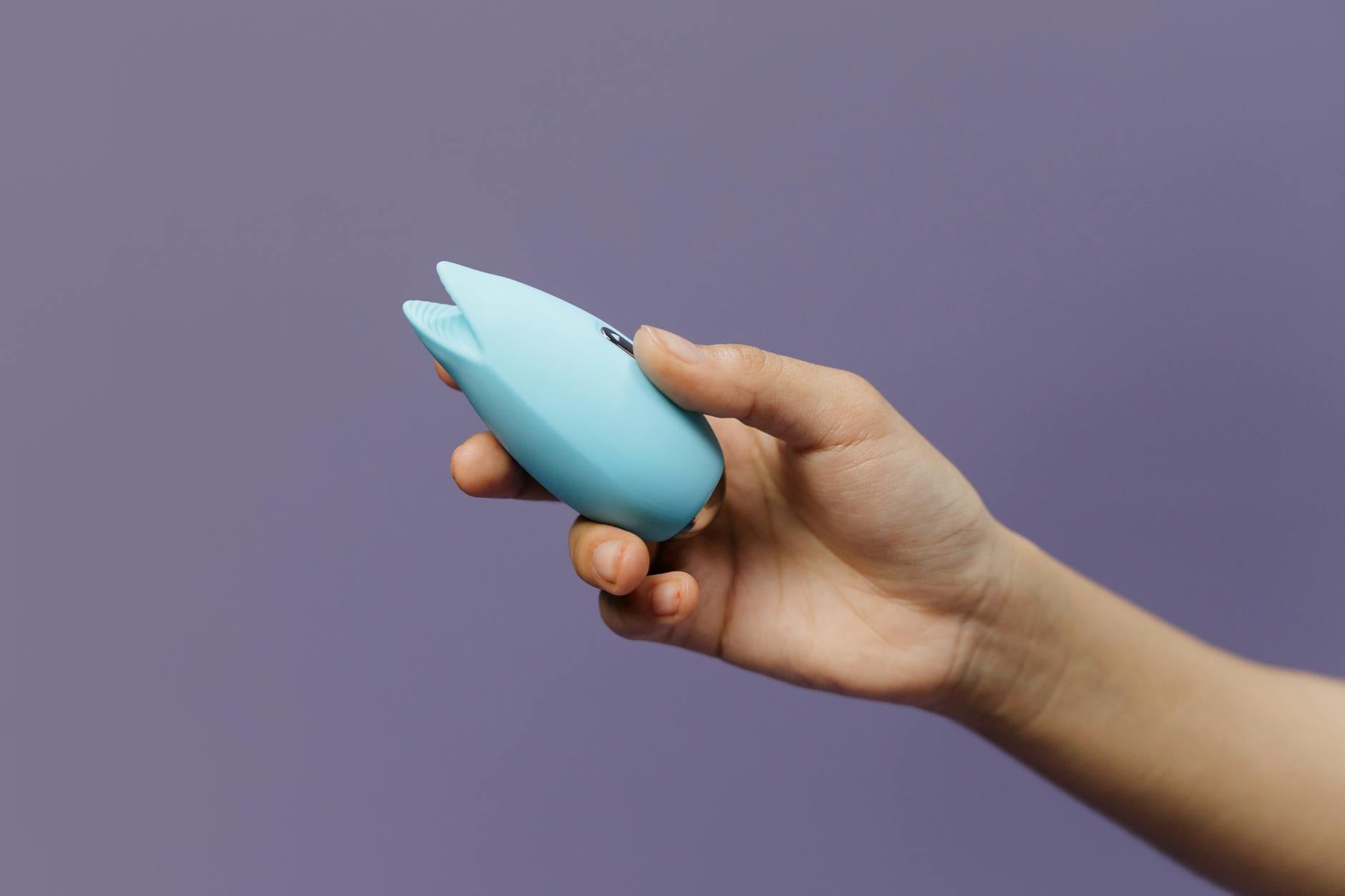
Lemon vibrators and similar clitoral suckers have a particular advantage when you're rebuilding intimacy: they stimulate without requiring coordination. With traditional vibration, you and your partner need to find rhythm together, which adds a cognitive layer when you're already nervous. Air-suction technology removes that negotiation. It's responsive rather than demanding. Your body can ease into it without performing.
For partners rebuilding confidence, this matters enormously. A lemon clitoral vibrator gives whoever is receiving stimulation complete autonomy over pacing and intensity, which is exactly what the nervous system needs when it's relearning to trust. The partner can focus on closeness, touch, and presence rather than managing a tool.
The conversation before the tool arrives
Honestly though, the vibrator itself isn't the hard part. The hard part is saying "Hey, I want to use this together" without it sounding like an admission of failure. Here's what actually works in my practice:
Frame it as a reset, not a fix. "I want us to rebuild this together, and I want to remove pressure from both of us" is fundamentally different from "Things don't feel good anymore." The first one is a project. The second one sounds like blame. Use the first one.
Name the specific nervousness. "I'm worried I won't respond like I used to" or "I'm not sure if I'll come easily anymore" or "I'm afraid we've lost something." Say it out loud. The chances that your partner isn't thinking the exact same thing are close to zero. Naming it together transforms it from shame into a shared problem to solve.
Make it about exploration, not rescue. A lemon vibrator isn't a crutch. It's a tool for discovering what your body wants now, which might be different from what it wanted before distance. That's not loss. That's information.
How to actually use it together
Start with manual touch first. Full skin contact, no tools yet. Let your nervous system remember what your partner's hands feel like. This usually takes 15 minutes. Don't rush it. The body doesn't re-engage on a schedule.
Introduce the lemon vibrator as an addition, not a replacement. Start on the lowest setting. Let whoever is receiving it control when it's used and where. If your partner is using it on you, give them permission to explore: "Tell me where it feels good" is the best instruction.
Use it to extend sessions that would have ended naturally. Distance often means less endurance in arousal. A clitoral vibrator lets you extend sensation without frustration. You can stay connected longer, which itself rebuilds intimacy.
Talk during. The silence of nerves is the enemy here. Low-key check-ins ("Does this feel good?", "Tell me what you want") keep both of you present and reduce the space for self-consciousness to expand.
What usually gets in the way
Performance anxiety is the killer. The moment either partner becomes concerned about coming or lasting or "doing it right," pleasure collapses. A lemon clitoral vibrator actually helps here because it shifts the goal from "both of us having orgasm together" to "both of us exploring sensation." The vibrator gives you permission to not perform. Let that be the point.
Speed also matters more than you'd think. After distance, slower is almost always better. Your body needs permission to ease back in. Jumping to high intensity on the vibrator triggers guard rather than opening. Start at pattern 1 or 2 on the lem vibrator and let intensity build gradually. Most people reconnecting after distance come more reliably in the first 10 minutes at low intensity than in 30 minutes of variable intensity.
Shyness about asking for what you want is the third blocker. If you were shy before distance, distance amplifies it. Use the tool as permission to speak. "I want it slower" or "Can you try the side position" feels easier to say when you're also changing the physical setup with a vibrator. The novelty creates space for honesty.
The timeline for rebuilt intimacy is slower than you think
Most couples report that reconnecting after 3+ months of distance takes about 4-6 weeks of regular physical contact to feel natural again. That's not failure. That's normal neurological recovery time. Lemon sexual toys and other clitoral vibrators can compress that timeline somewhat by removing some of the cognitive load, but they don't erase it. What they do is make the process feel less fraught.
How to Use Lemon Vibrators When Sex Feels Mechanical With Your Partner covers similar territory if the feeling of mechanical disconnection persists, but the difference when you're reconnecting is that the mechanical feeling is temporary. It's the transition state, not the permanent state.
Why pleasure matters more than performance right now
After distance, the goal isn't to recreate what you had. It's to build something new that honors both people. Your bodies are different. Your needs are different. Your availability is different. Using a lemon vibrator together gives you a way to explore those differences without pretending they don't exist. That's actually way better for long-term intimacy than white-knuckling your way back to the "before" version.
You're not trying to get back to normal. You're trying to create a new normal that feels good for both of you right now. A clitoral vibrator is just a tool for that conversation. The real work is the conversation itself.
People also ask
How long should we wait before using a vibrator after reconnecting?
There's no waiting period. If it feels right in the moment, it's right. Most couples I work with introduce a lemon clitoral vibrator within the first week of physical reconnection, which actually helps because it removes the pressure of early-reconnection sex feeling like it "should" happen a certain way. Using a vibrator signals "We're exploring together" rather than "This should feel exactly like it used to."
Will using a vibrator make it easier to come if I'm nervous?
Yes, usually. A lemon vibrator removes the manual stamina requirement, which means your partner can stay present and connected rather than focused on technique. That presence alone often makes orgasm easier. The vibrator is the tool, but the connection is what unlocks it.
What if only one of us wants to use a vibrator?
Start there. One partner wanting to explore with a tool is actually great data. It means one of you is saying "I want to rebuild this in a new way." That's directional. The other partner's job is to show up curious rather than defensive. After you've had good experiences together using it, the reluctant partner often becomes enthusiastic. Let the experience speak for itself.
Can a lemon vibrator actually help if we're not sure we still want each other?
No. If the disconnection is emotional or relational, a physical tool won't fix it. That's therapy territory, not vibrator territory. But if you both want to reconnect and you're just stuck in the logistics of how, then yes. A lemon clitoral vibrator is genuinely useful.
How do we talk about using a vibrator without it feeling weird?
Treat it like any other physical preference. "I've been thinking about trying a vibrator together" lands so much better than "I think we need help." Or: "I saw this thing, and it looked interesting. Want to try it?" The tone matters more than the words. Curious is better than clinical. Playful is better than serious. You're exploring together, not solving a problem.
What if we've never used toys together before?
Reconnection is actually perfect timing. You're already in a reset conversation. A lemon vibrator becomes part of discovering what works now, not part of "fixing" what didn't work before. Frame it as learning, not repair, and it lands completely differently.
The real work is the reconnection, not the tool
A lemon clitoral vibrator is useful. But the actual rebuilding of intimacy after distance happens in the conversations, the slowness, the willingness to be nervous together, and the permission to explore rather than perform. The vibrator is just the permission slip your nervous system needed to relax. The real work is showing up, staying present, and being willing to let your body learn to trust your partner's touch again. That takes time, but it's worth every awkward, vulnerable minute of it.